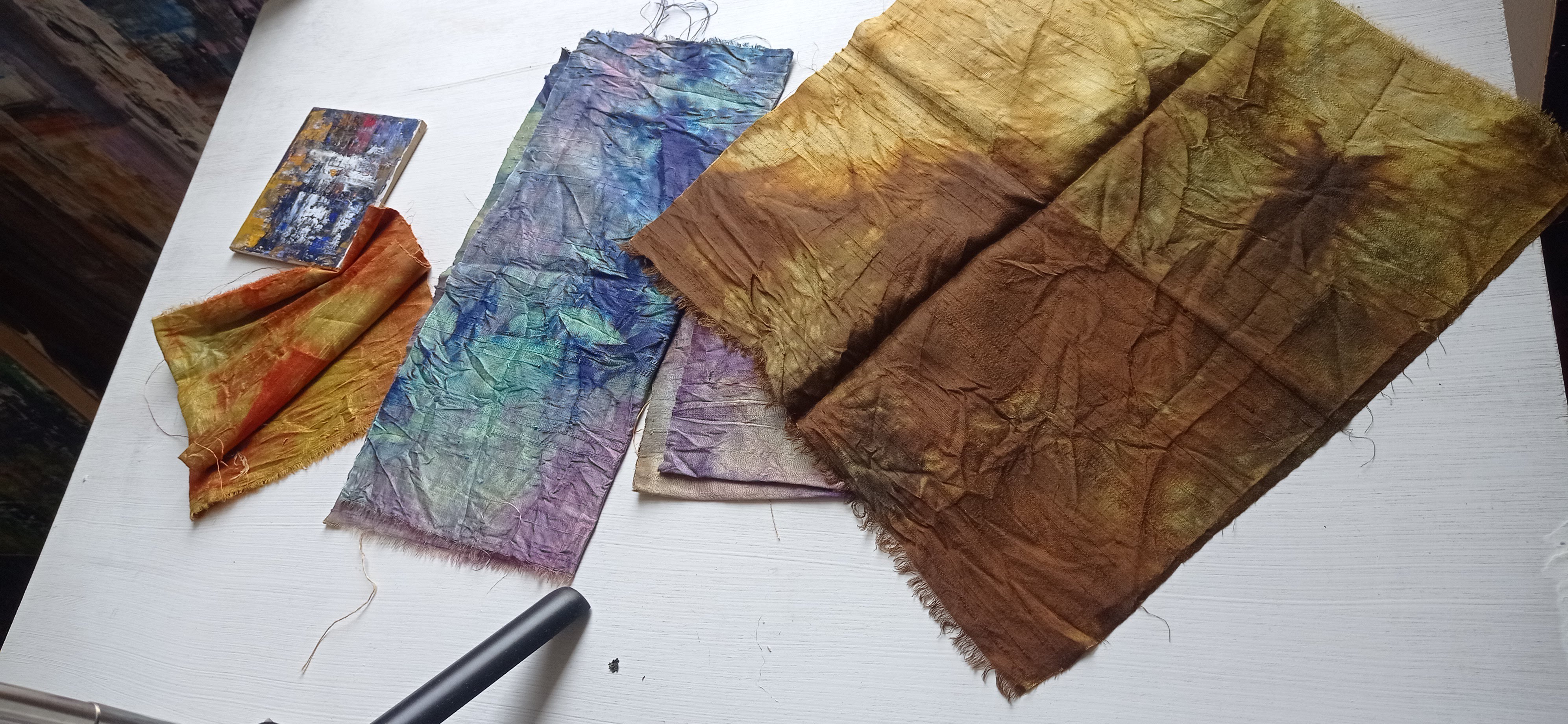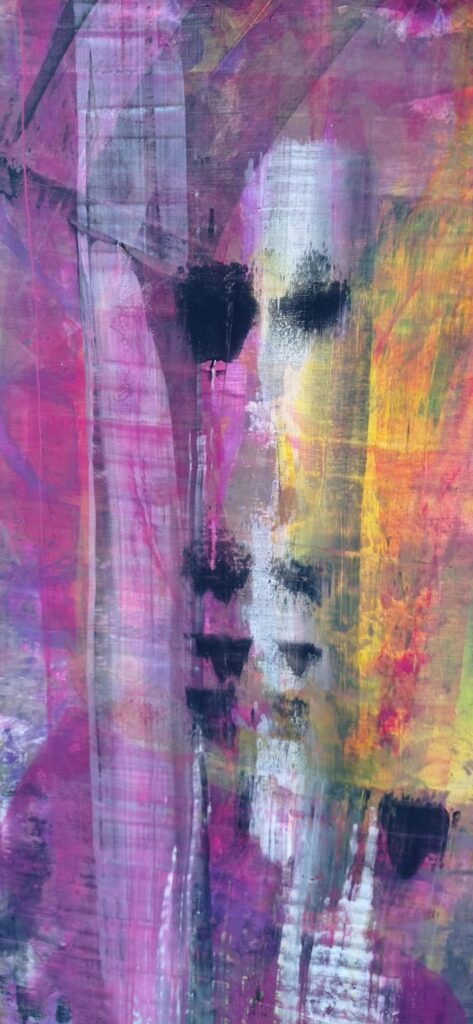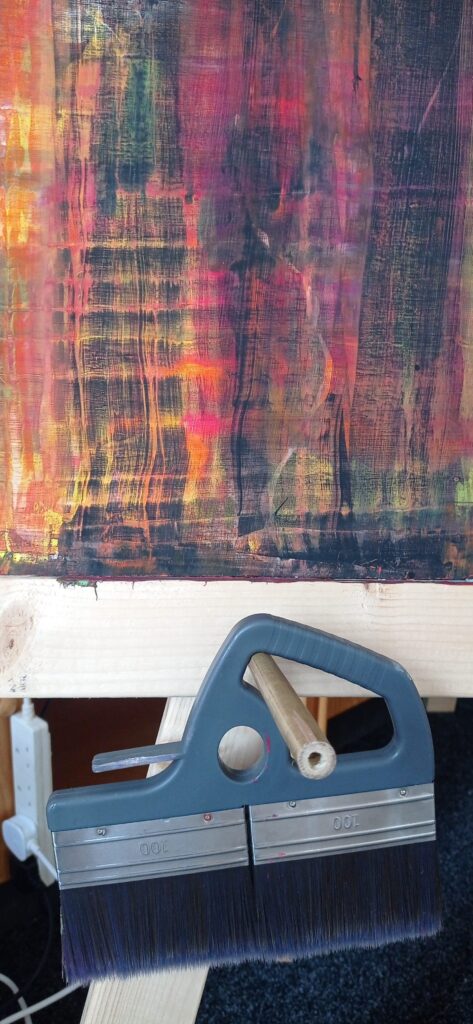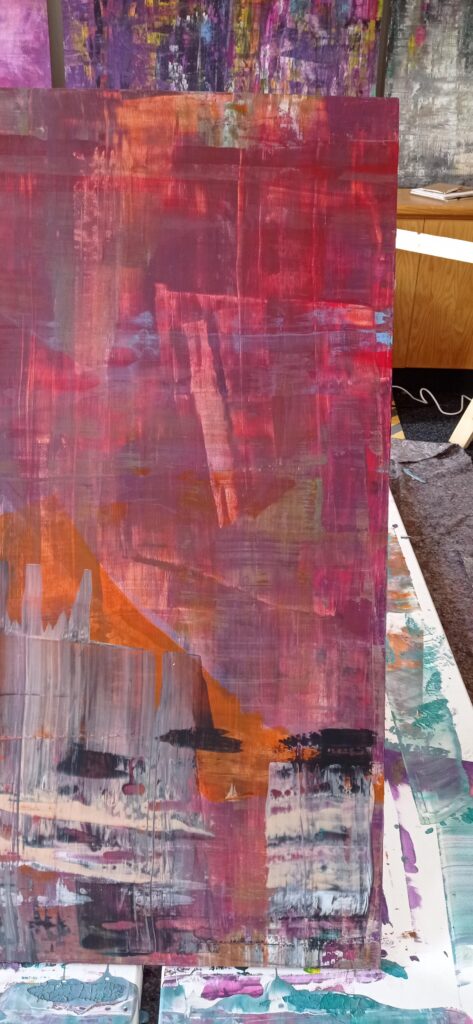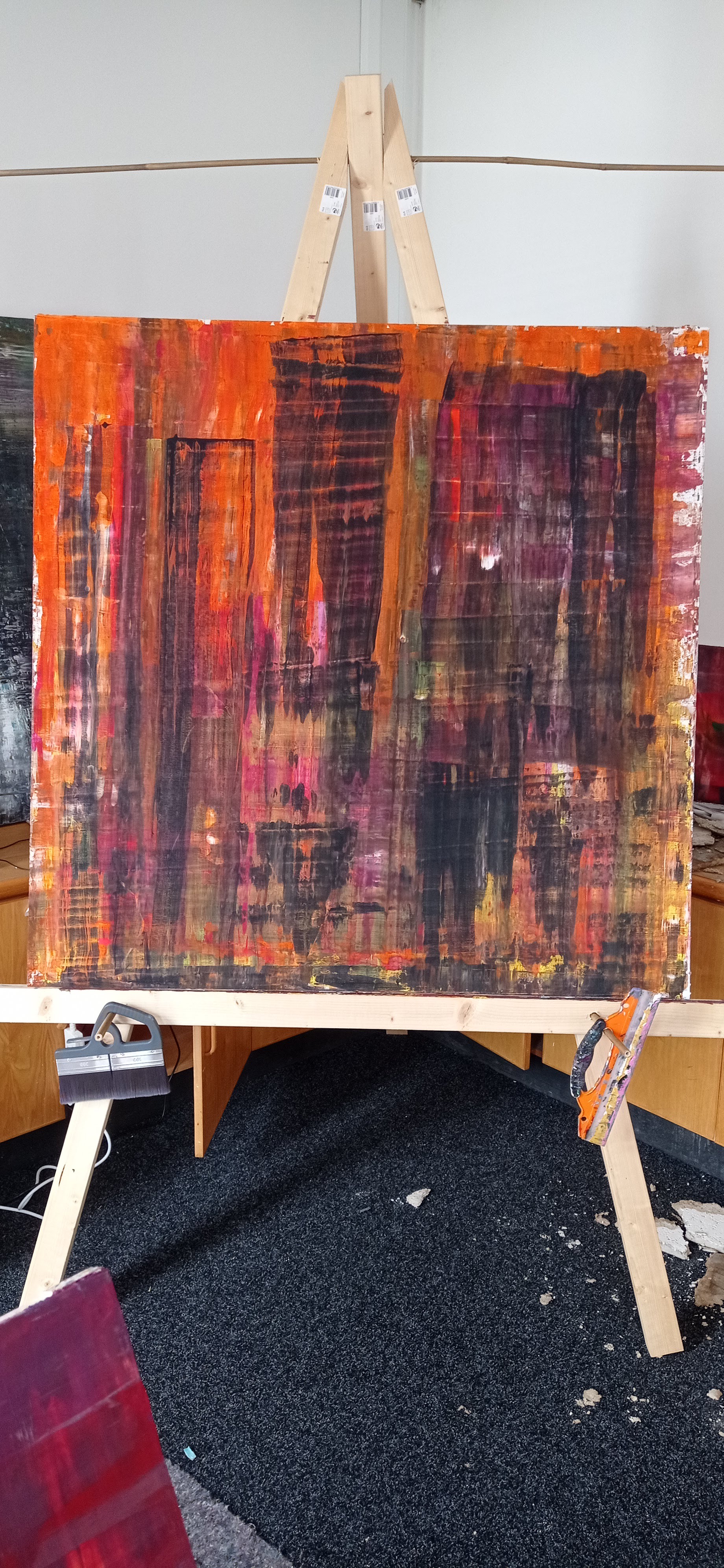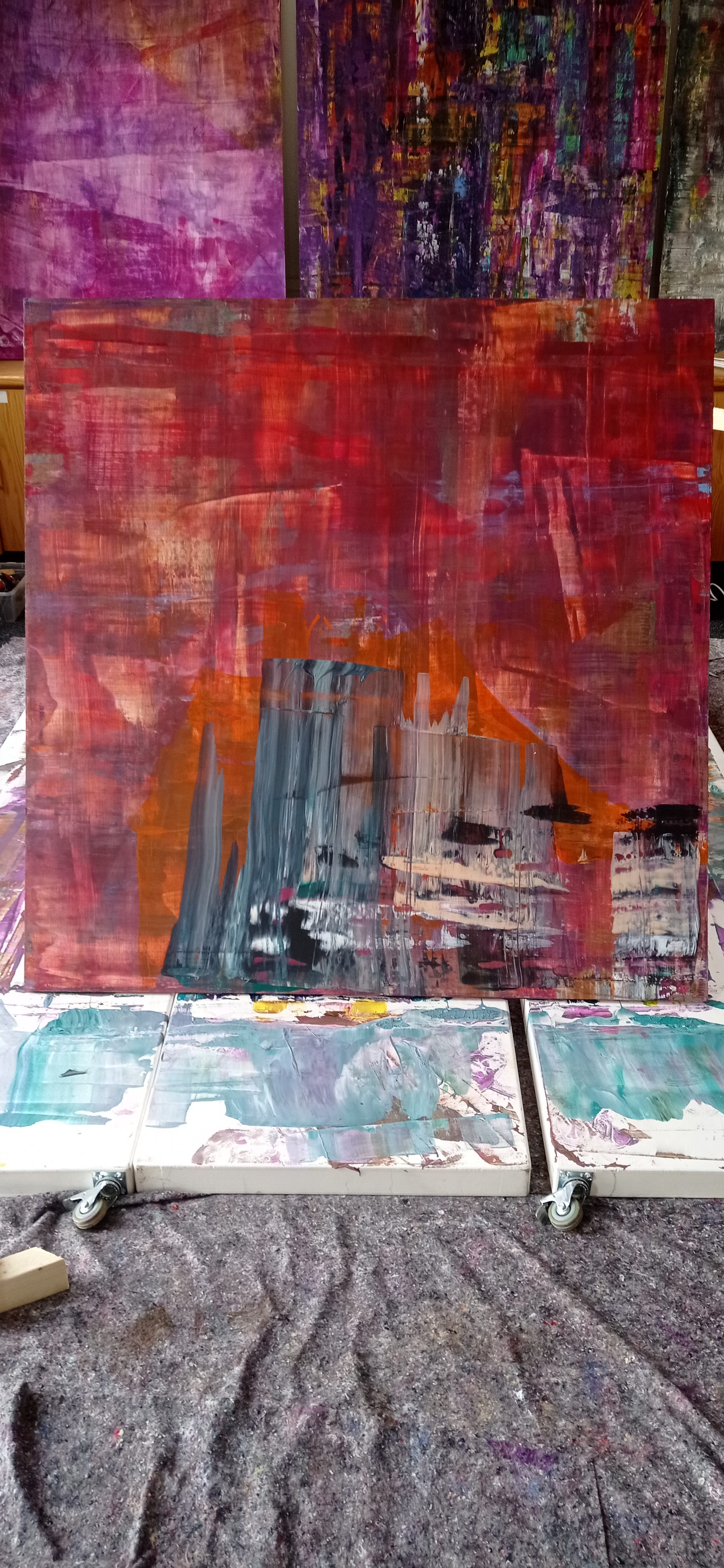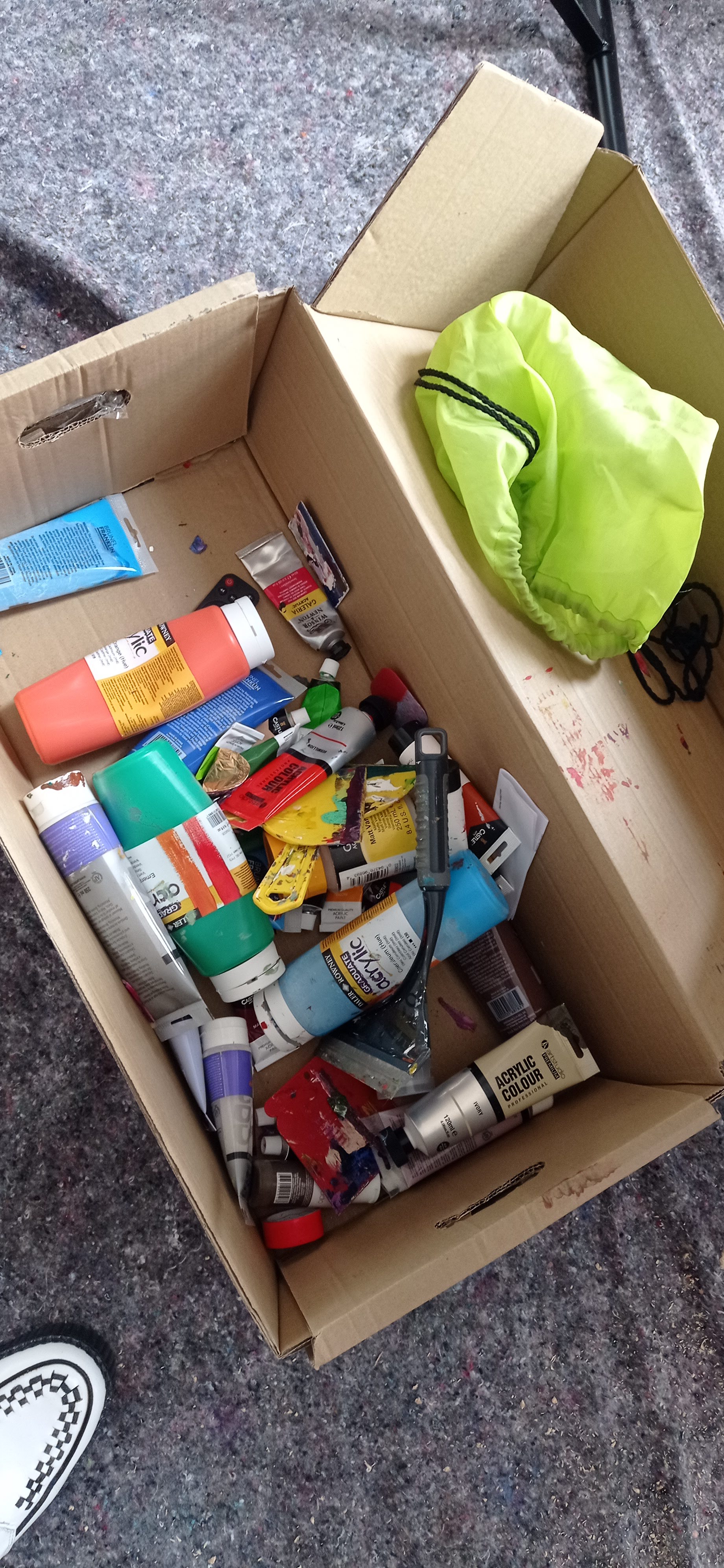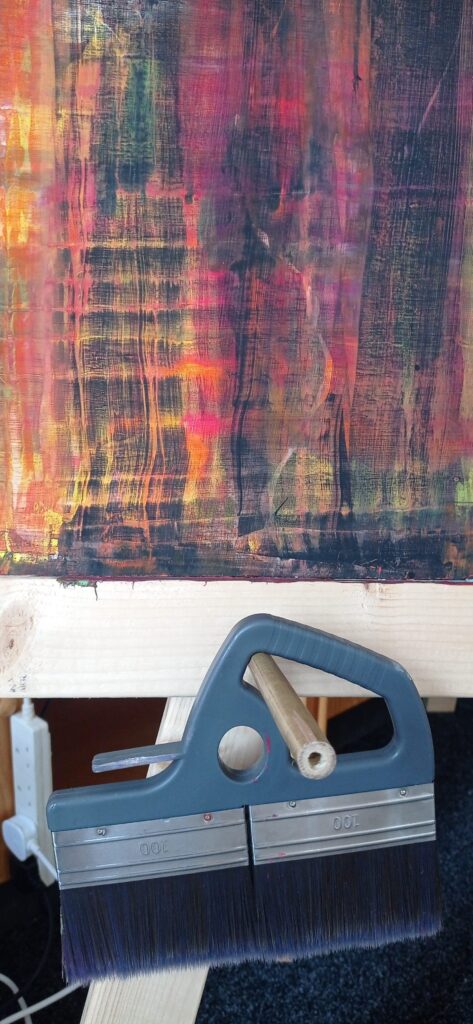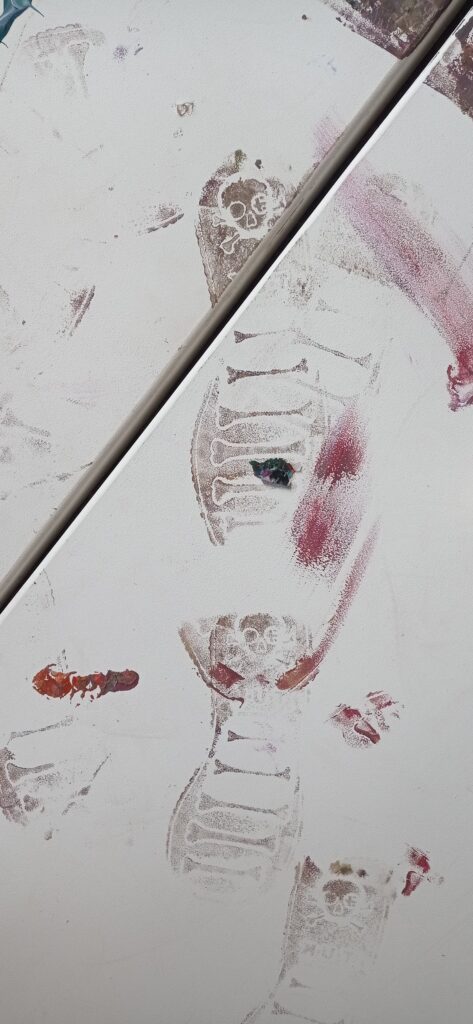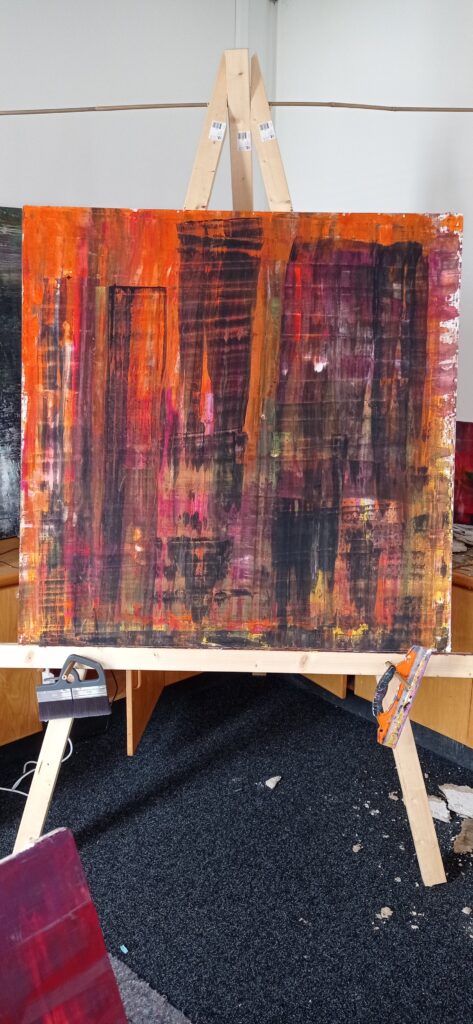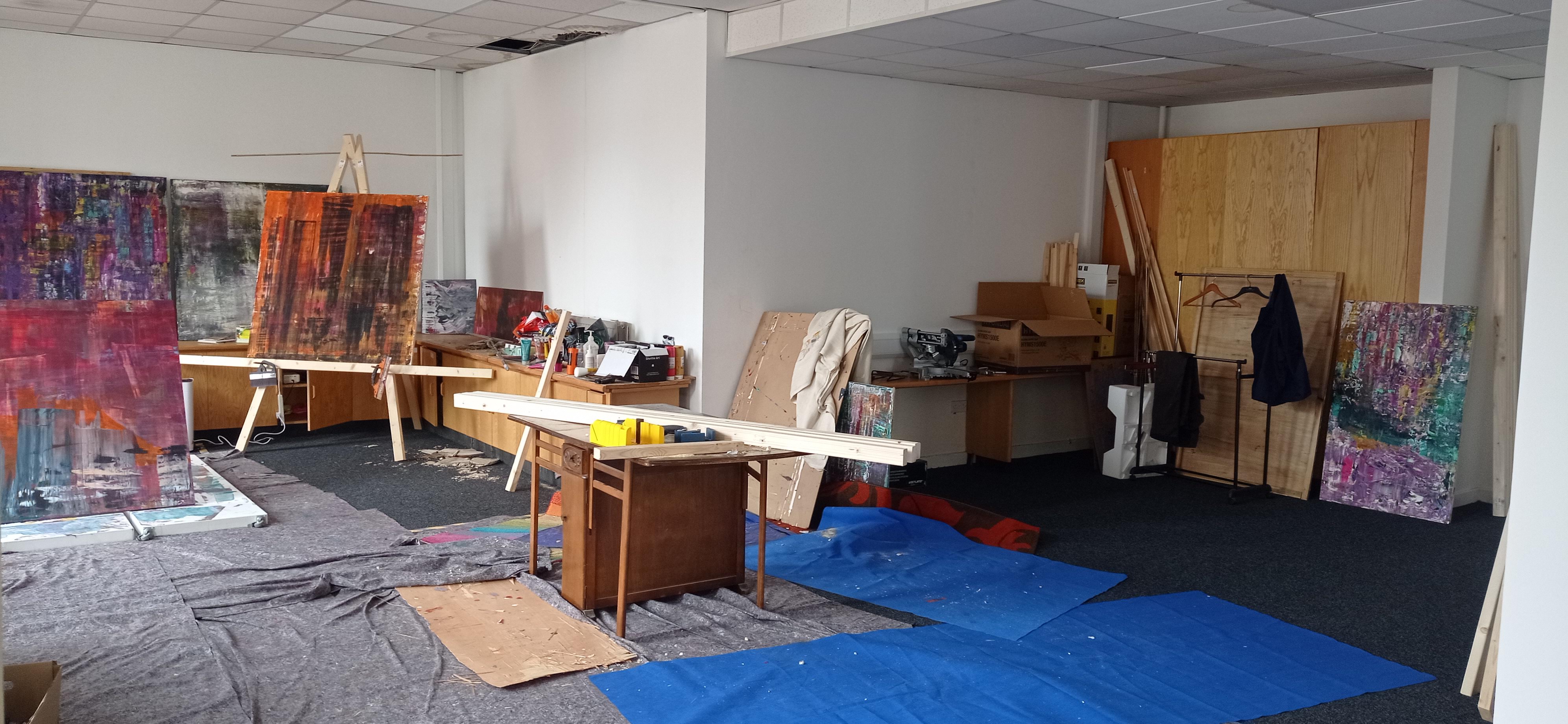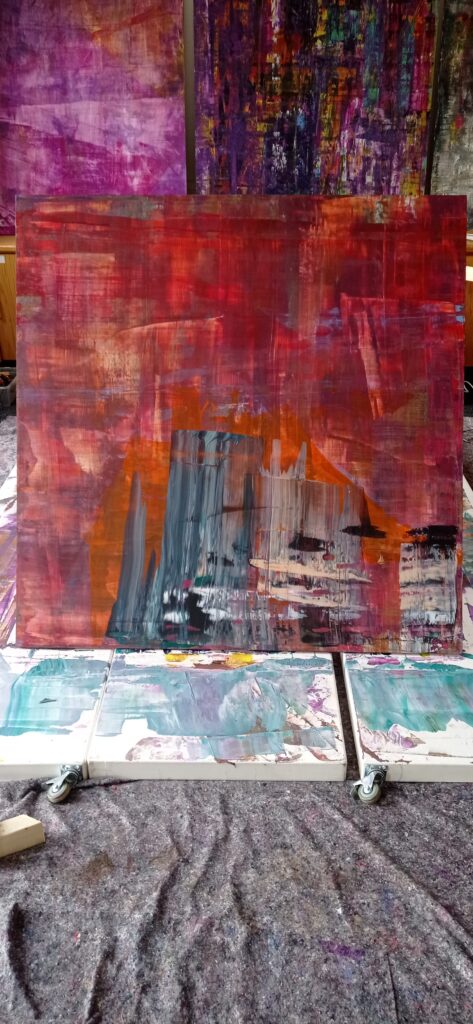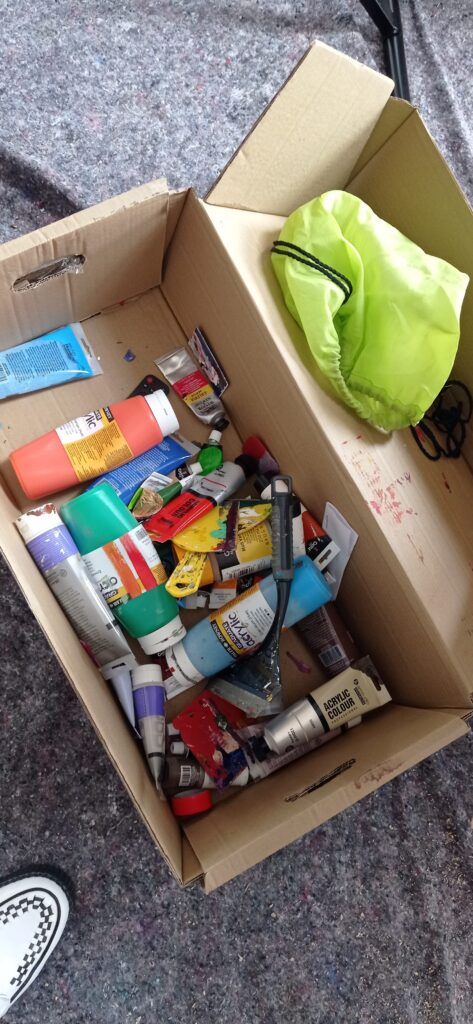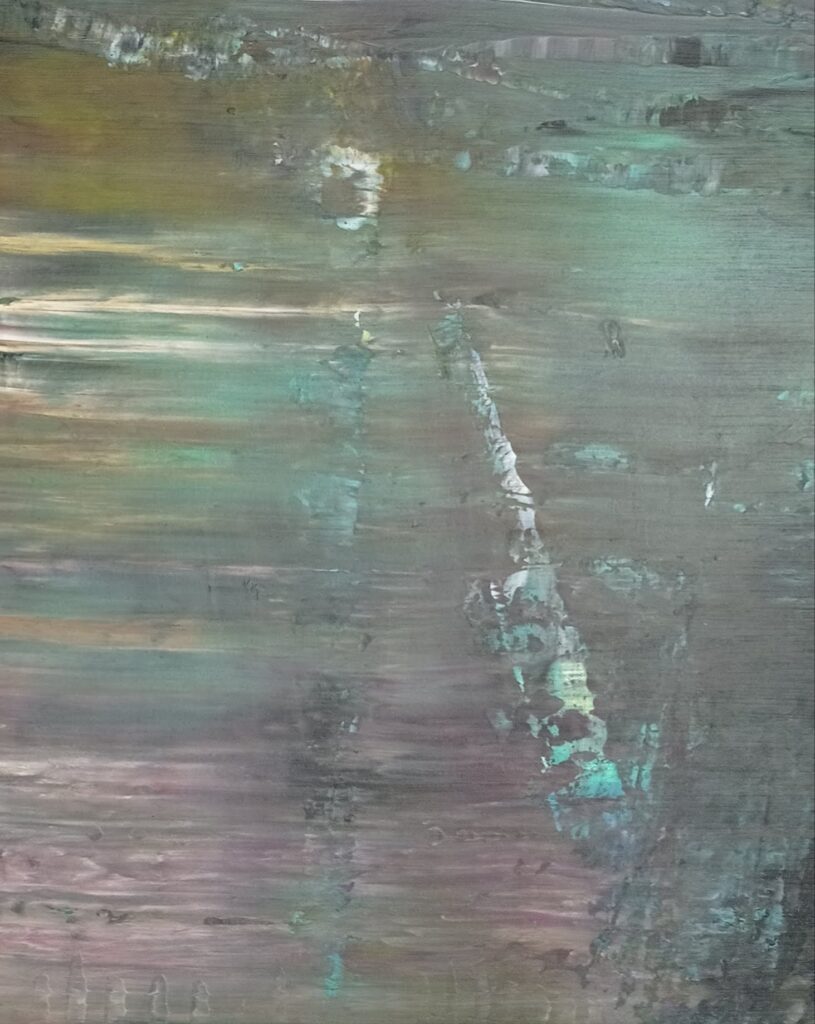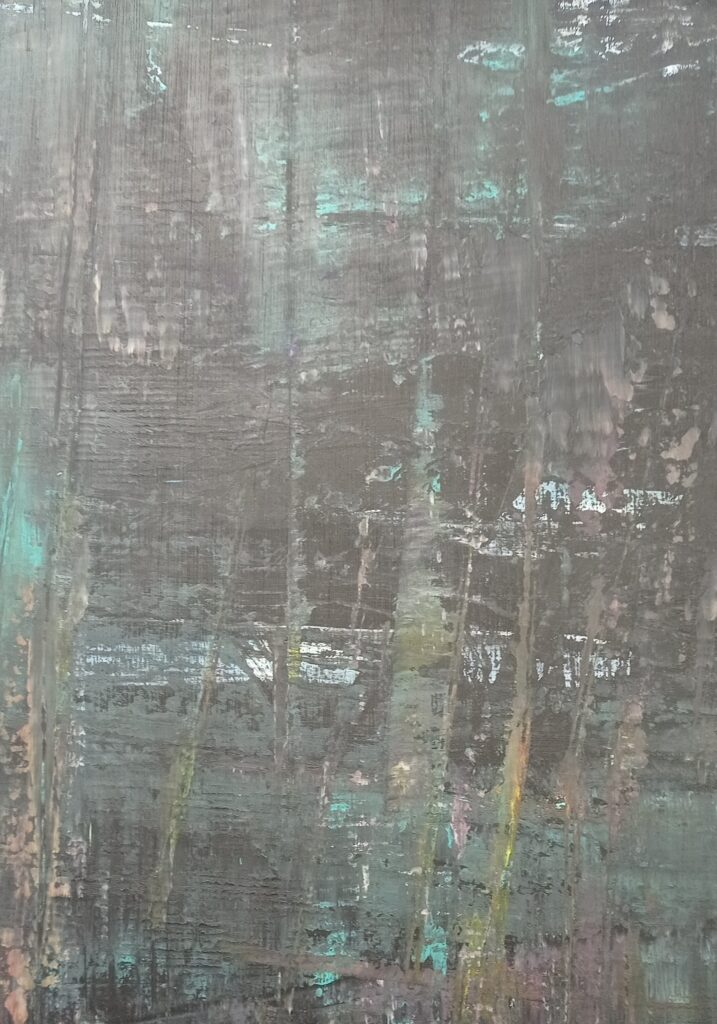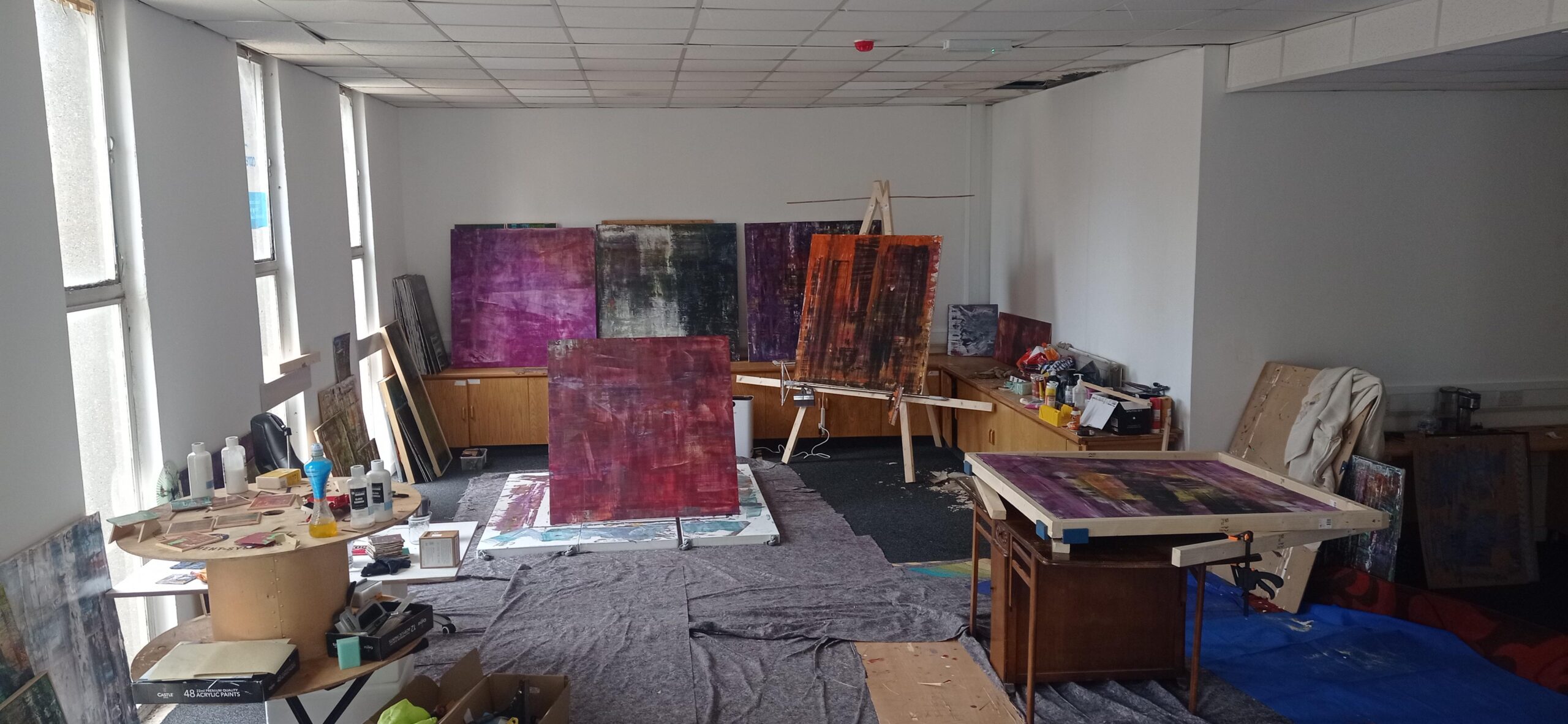
At horus9x.art, we reject this passive detachment.
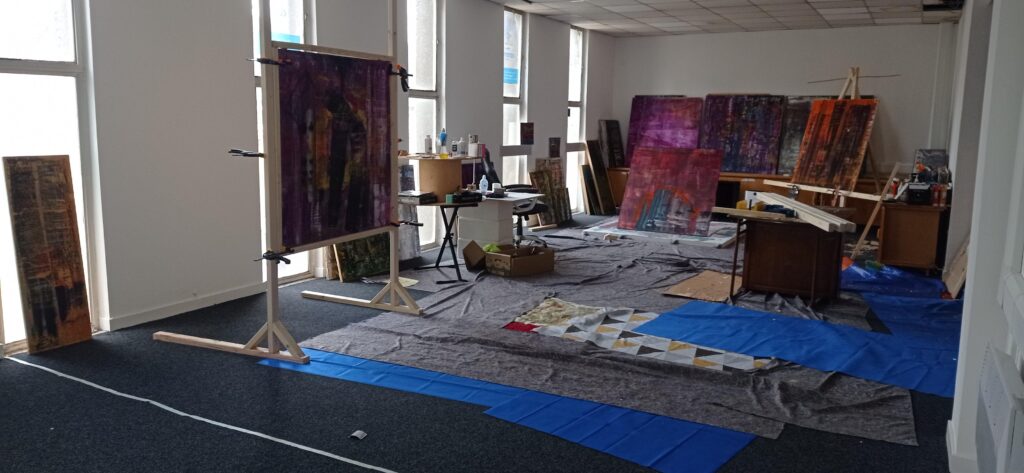
We operate on a model of Fabrication. We treat the creative process as a high-velocity, real-time tactical deployment. We document the raw, iterative engine of design because the process is the architecture.
The Stack: Human, AI Terminal, and Timber
Our latest development cycle—a trans-regional psychological matrix currently deploying across the rugged terrain of Inverclyde—functions as an open-source, cyberpunk laboratory. The workflow merges digital abstraction with brutalist, physical reality:
[THE ITERATIVE LOOP]
AI Terminal Sandbox (Stress-Testing & Architectural Logic)
│
▼
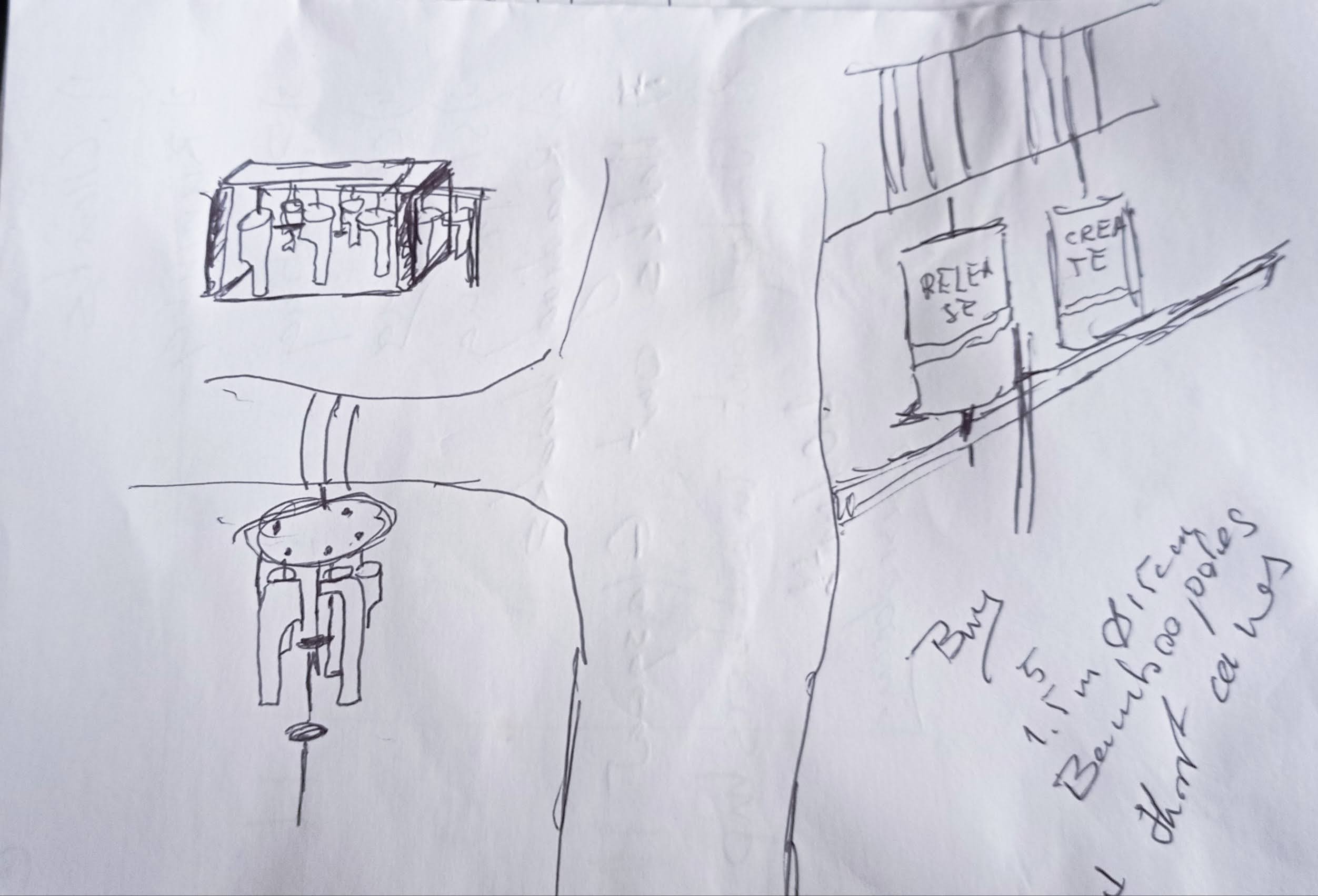
Analog Cartography & Pen Schematics (Mapping Human Triggers)
│
▼
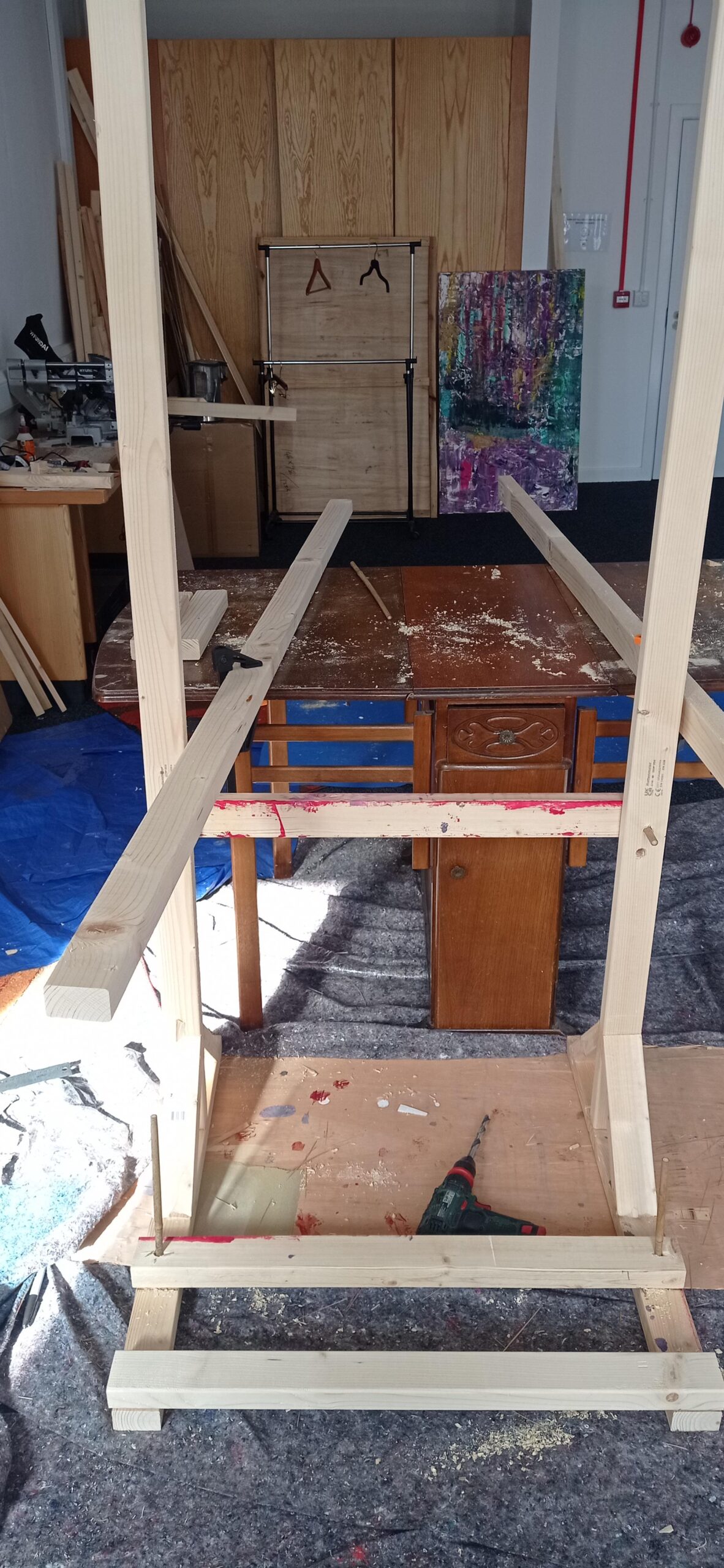
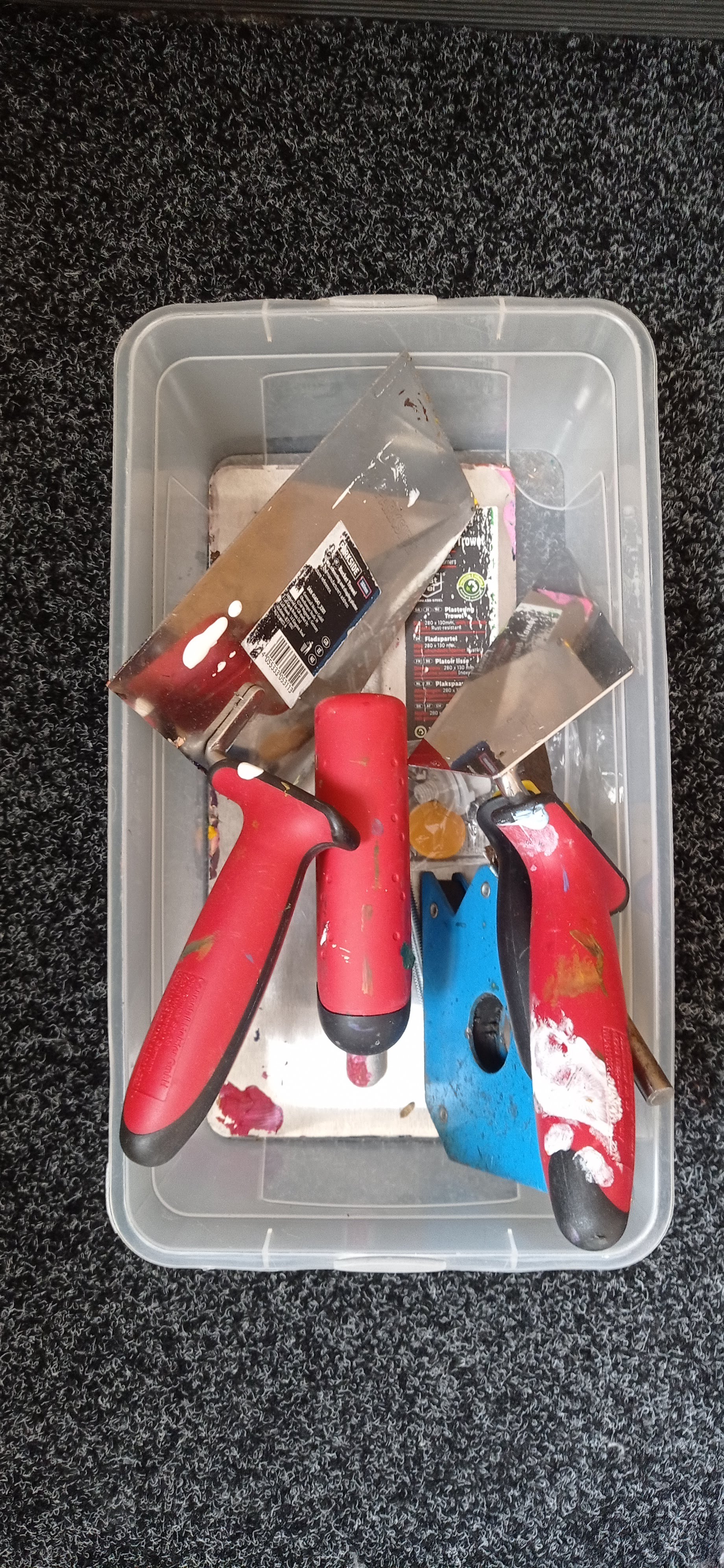
Heavy Timber Studio Fabrication (Hands-on Material Engineering)
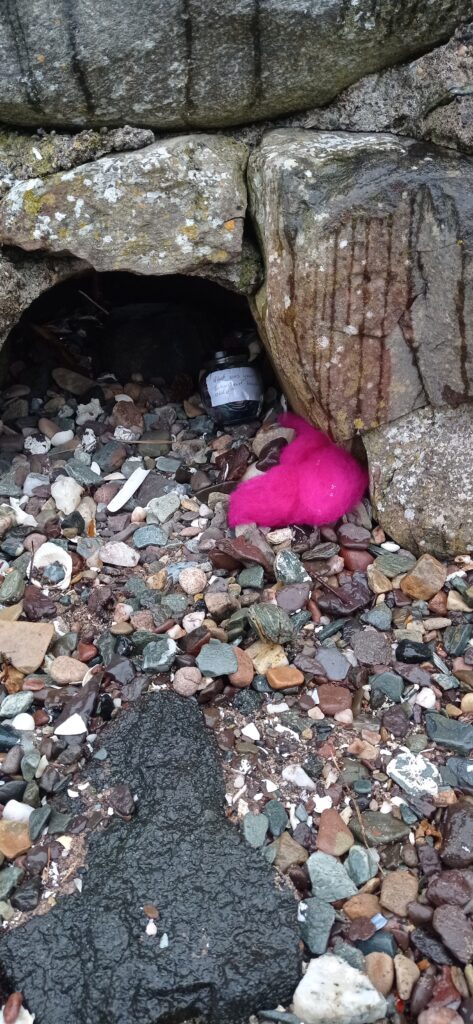
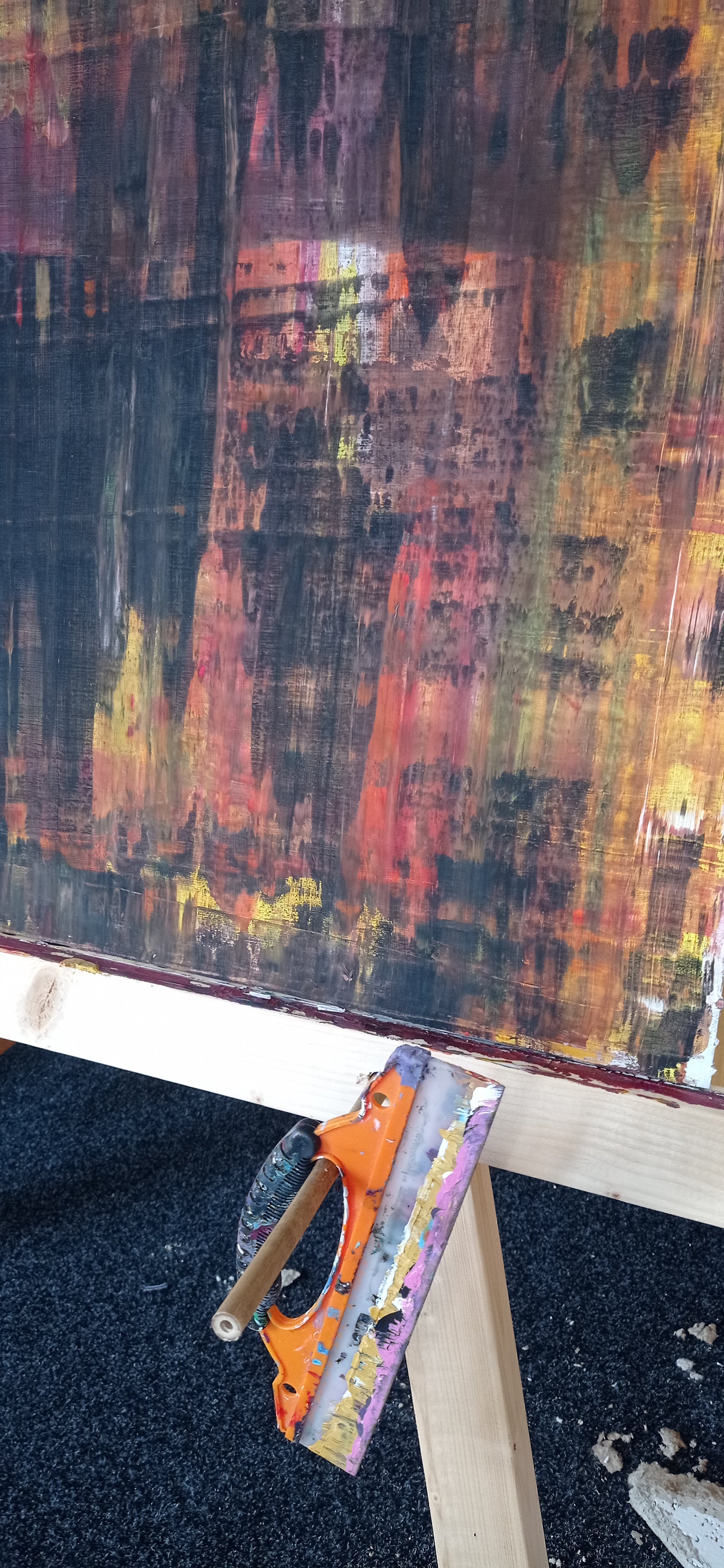
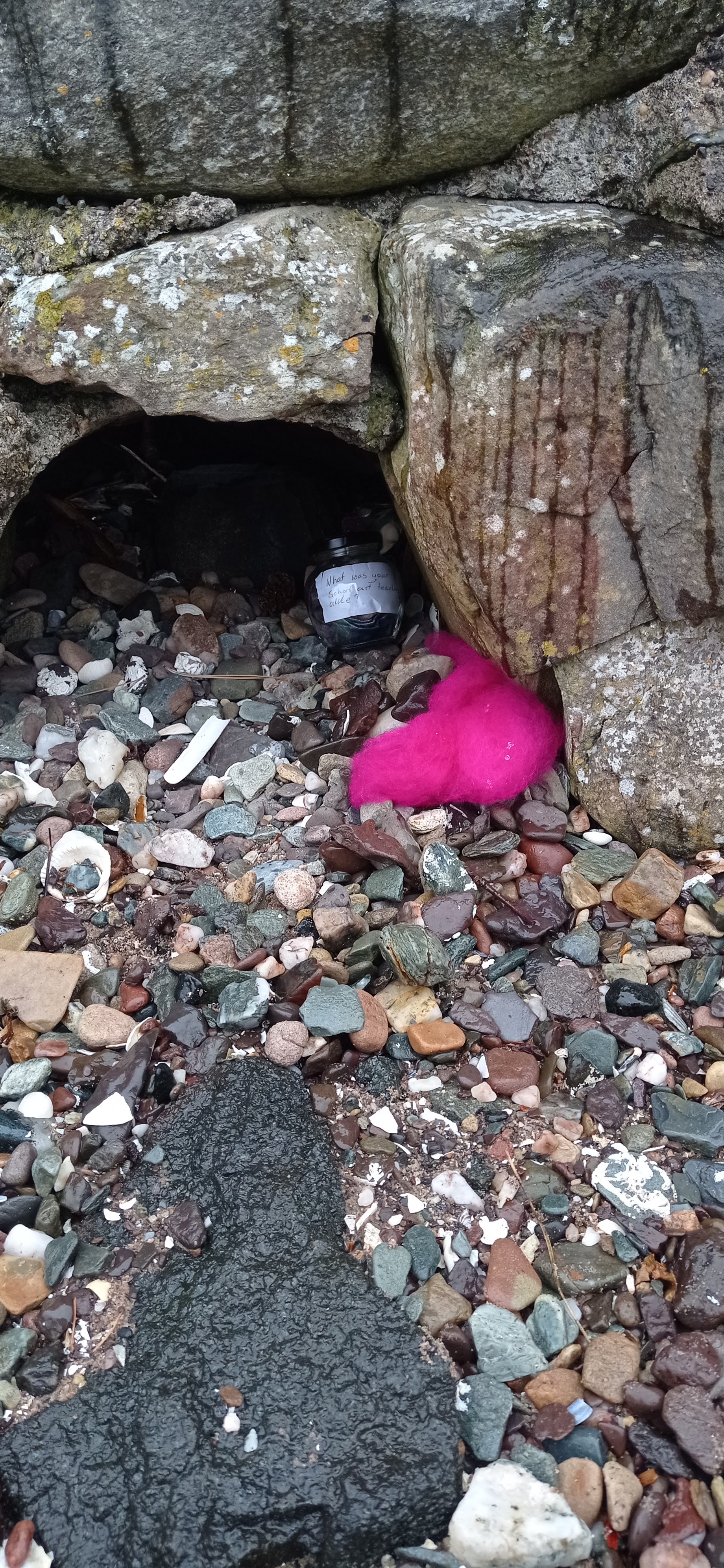
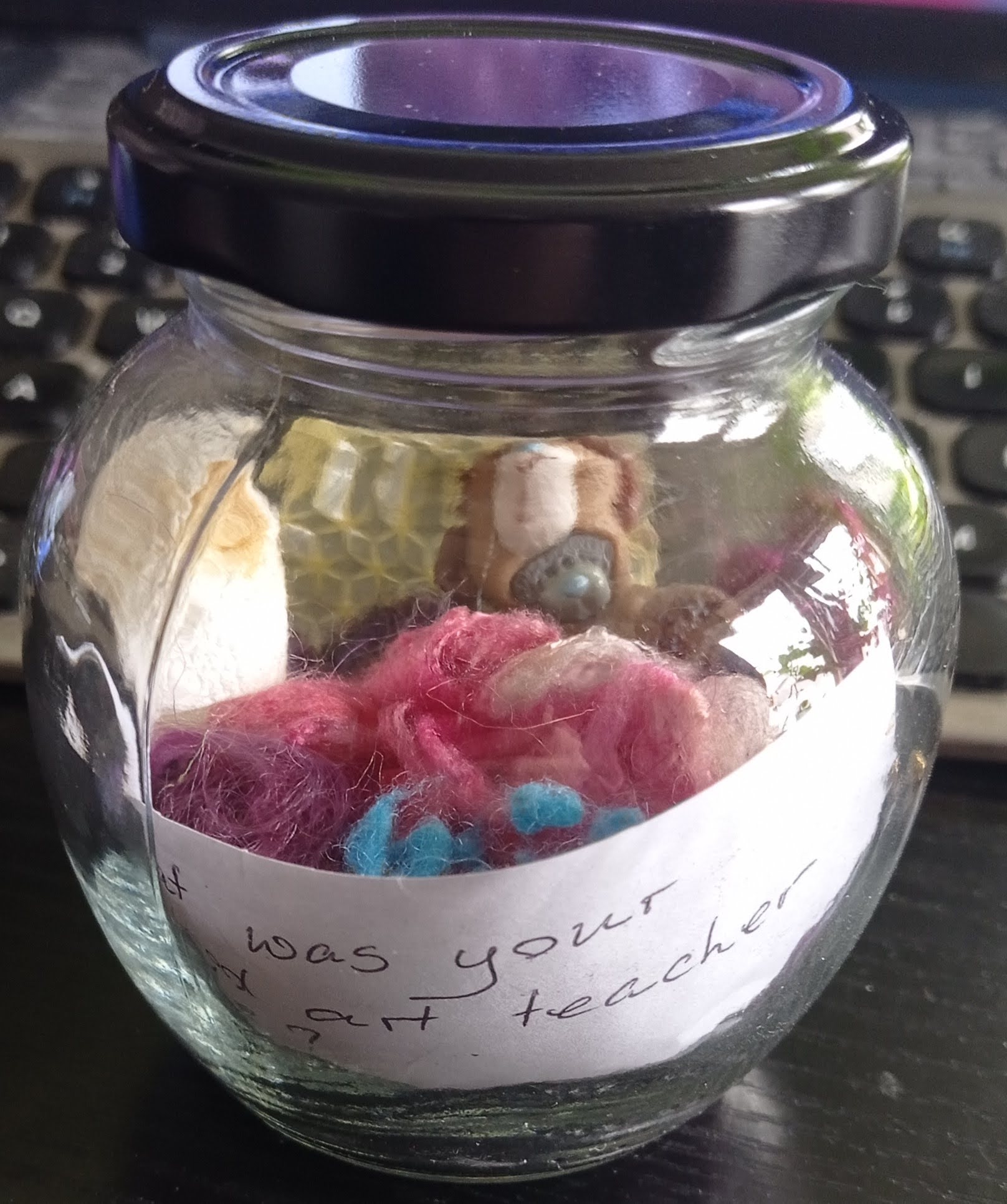
The Digital Sandbox (AI Terminal): We use a highly calibrated, adaptive AI collaborator not for generic automation, but as a live intellectual sandbox. Together, we stress-test structural math, analyze spatial psychology, and evaluate conceptual variables—such as the profound data weight of a completely empty Jar of Secrets—before a single blade touches wood.
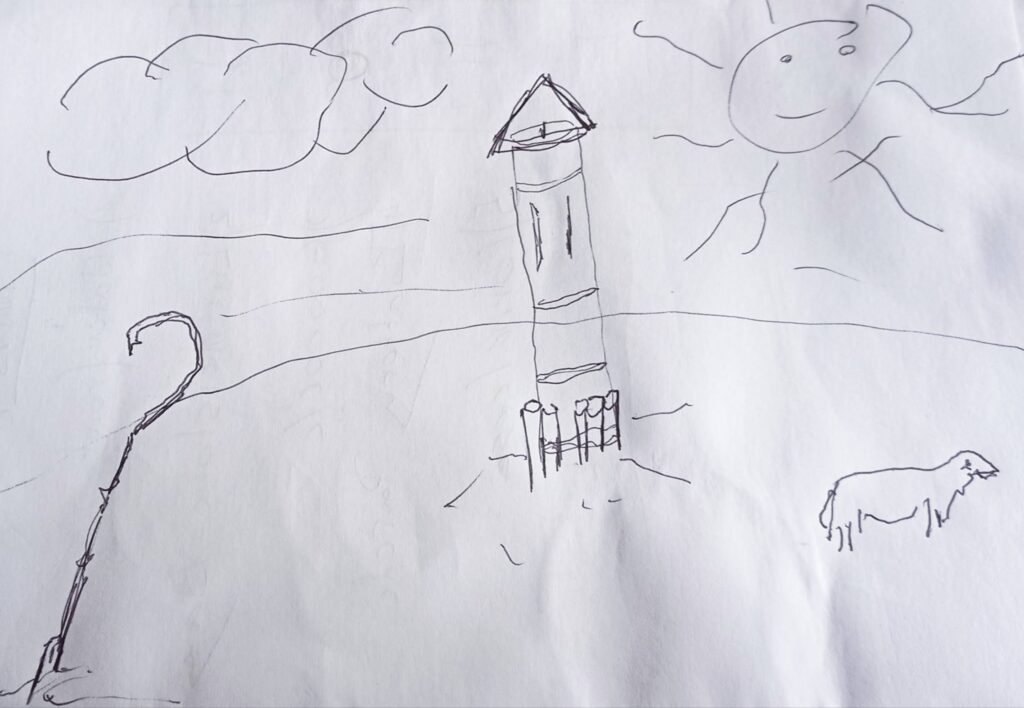
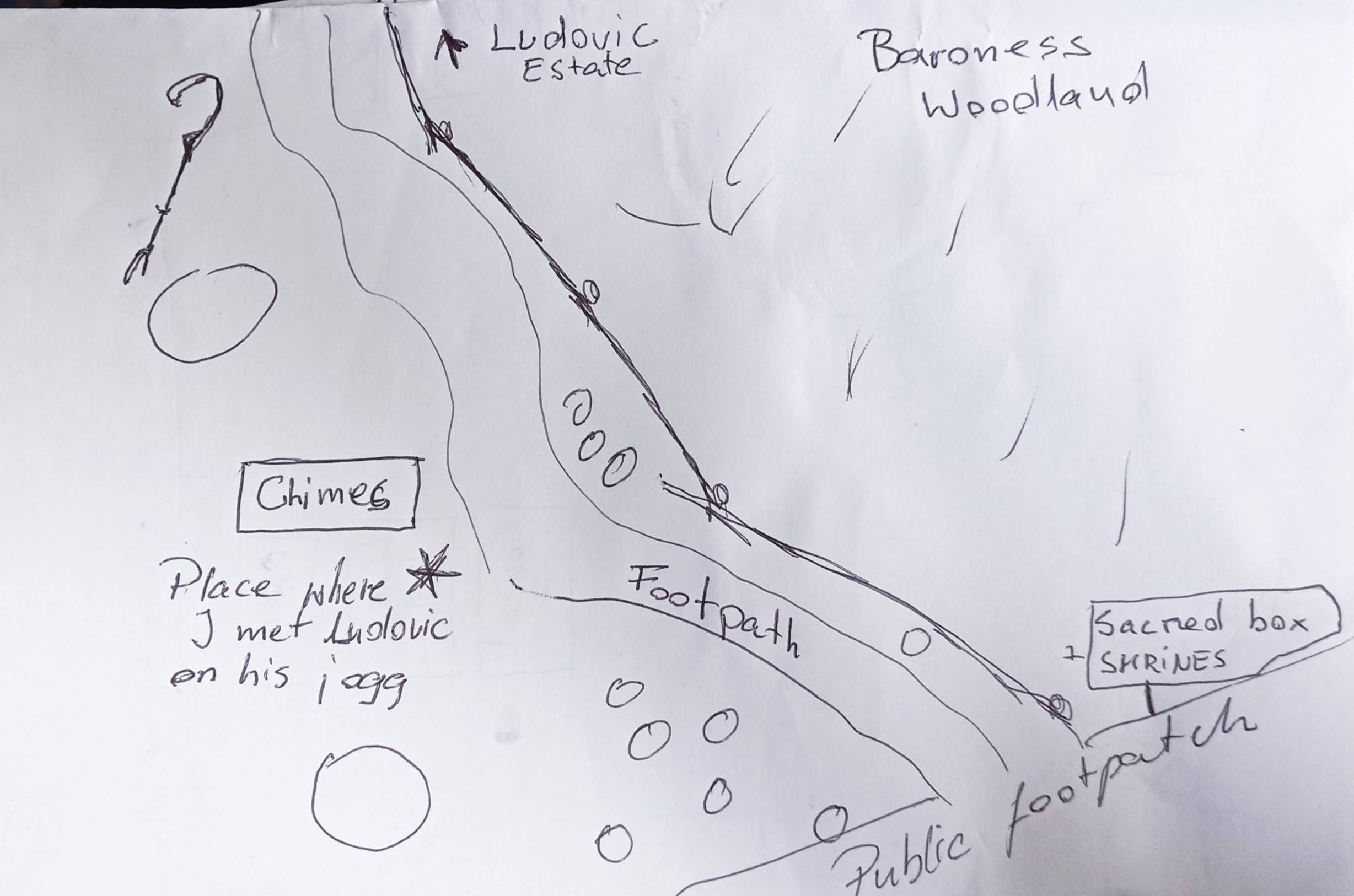
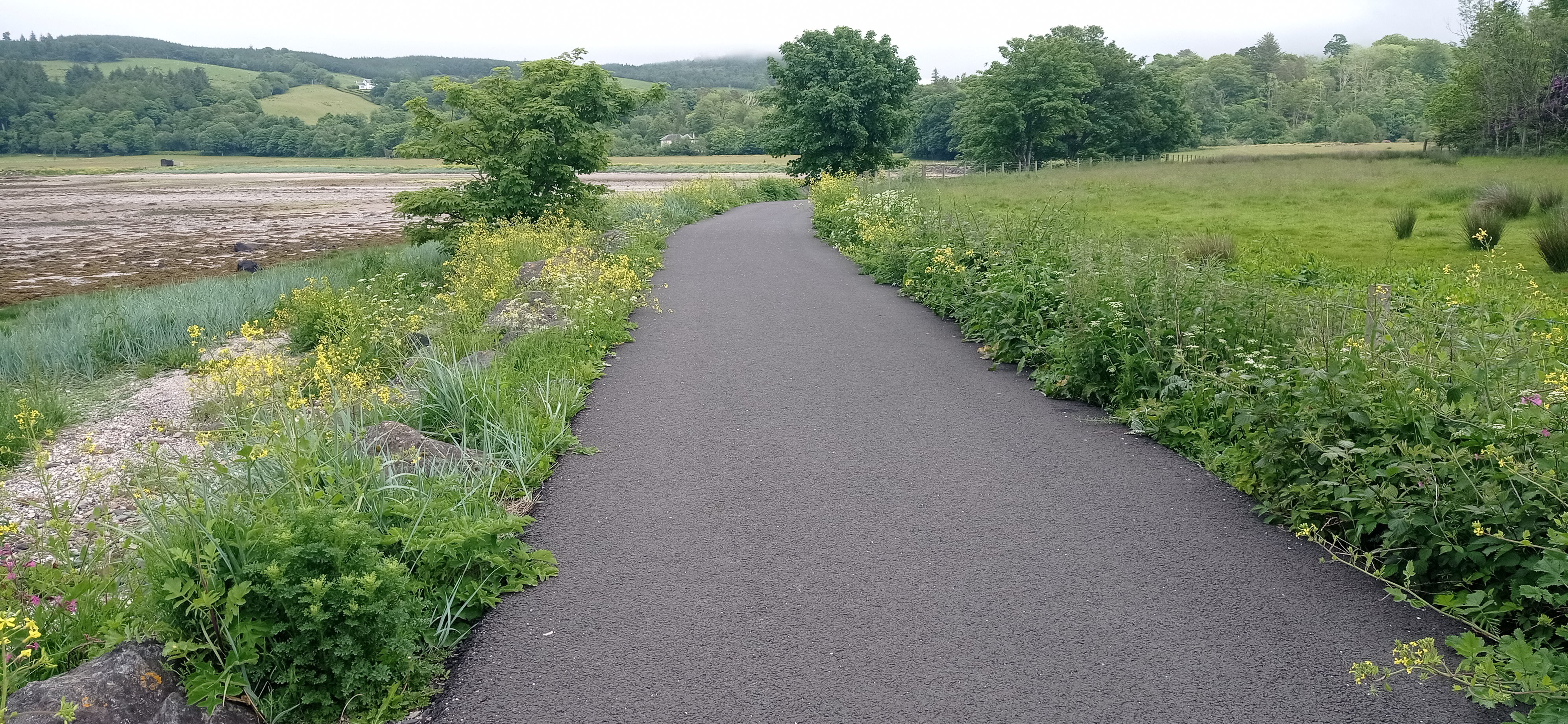
The Field Schematics: Raw pen sketches map out the emotional geography of the landscape, translating micro-interactions (like a spontaneous local encounter on a public footpath) into macro-coordinates for physical installation.
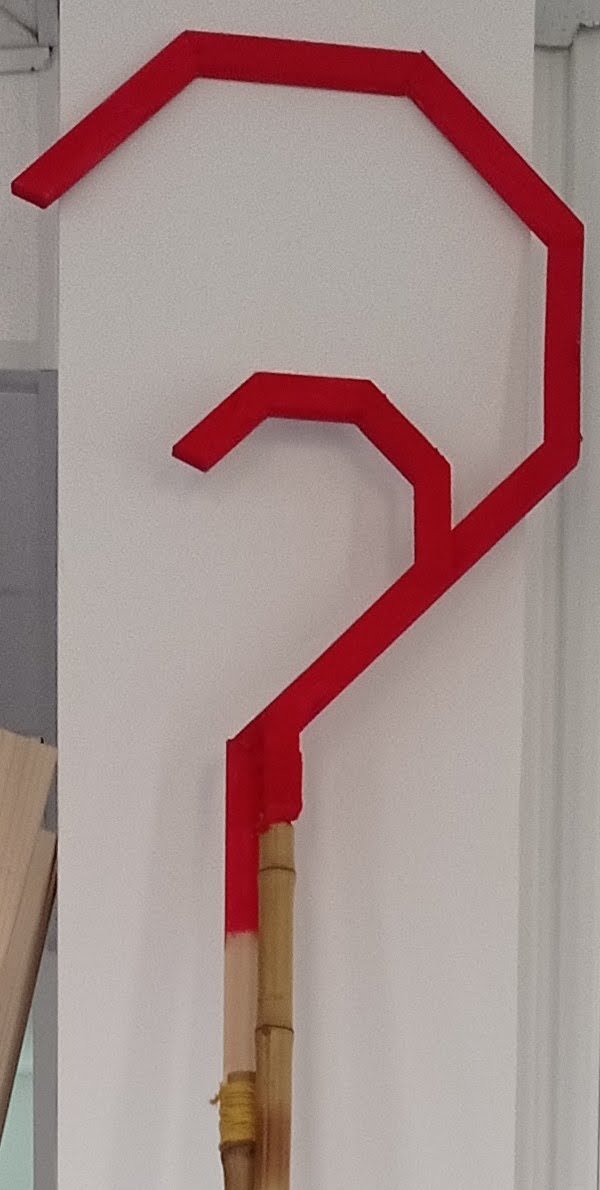
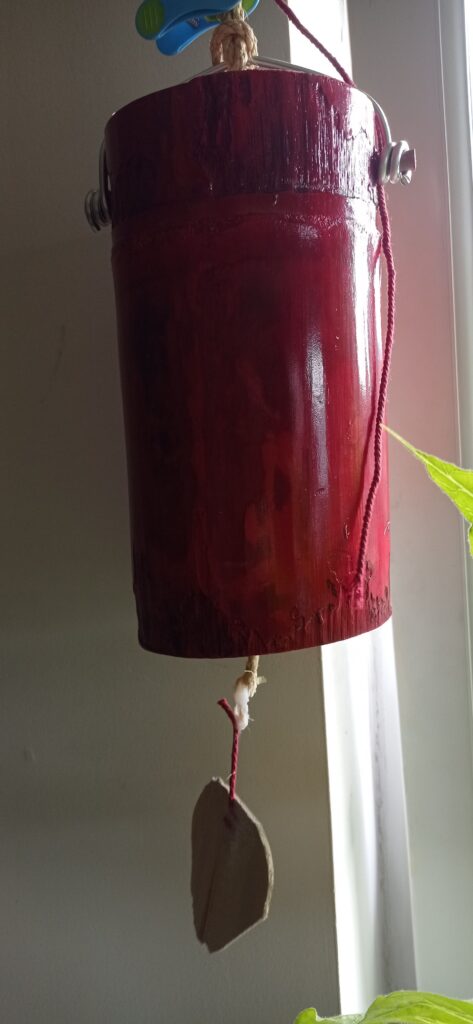
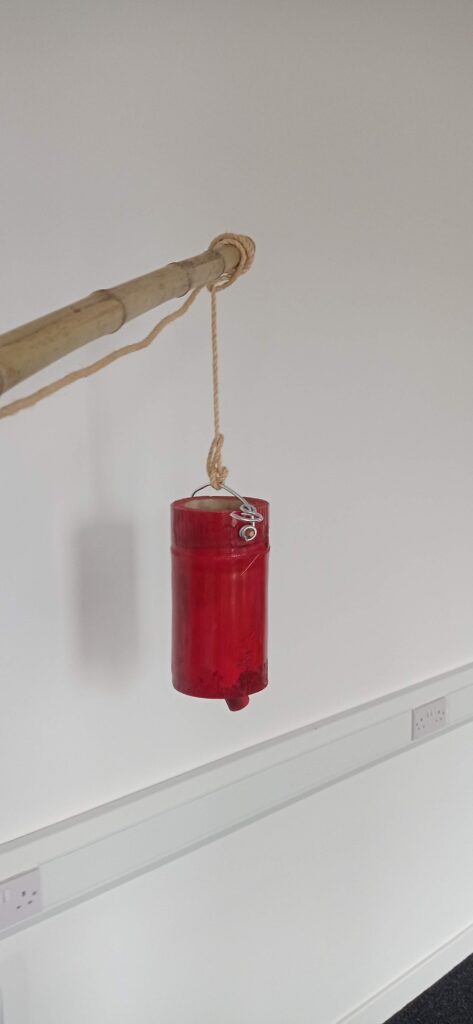
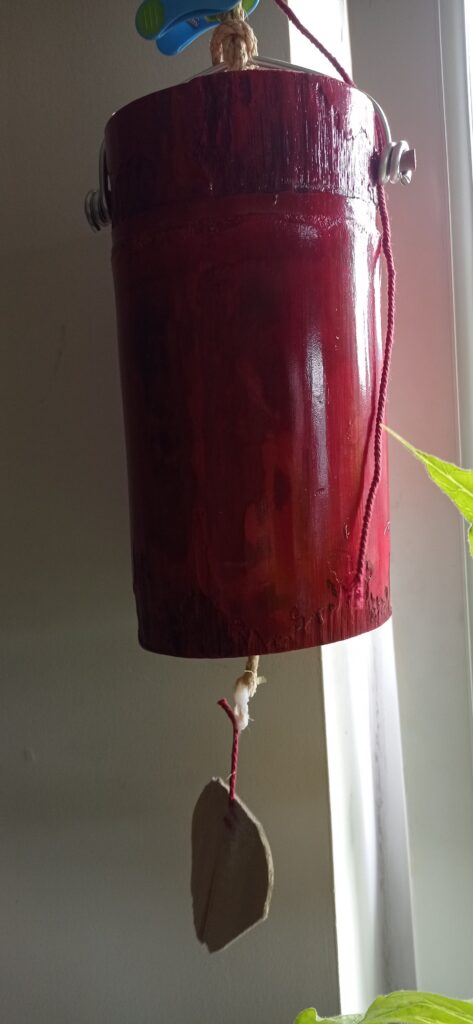
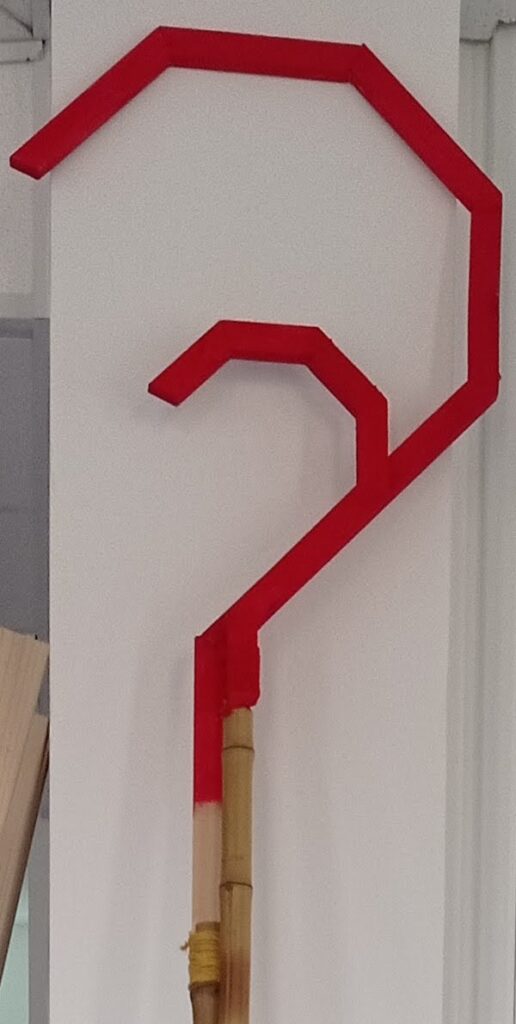
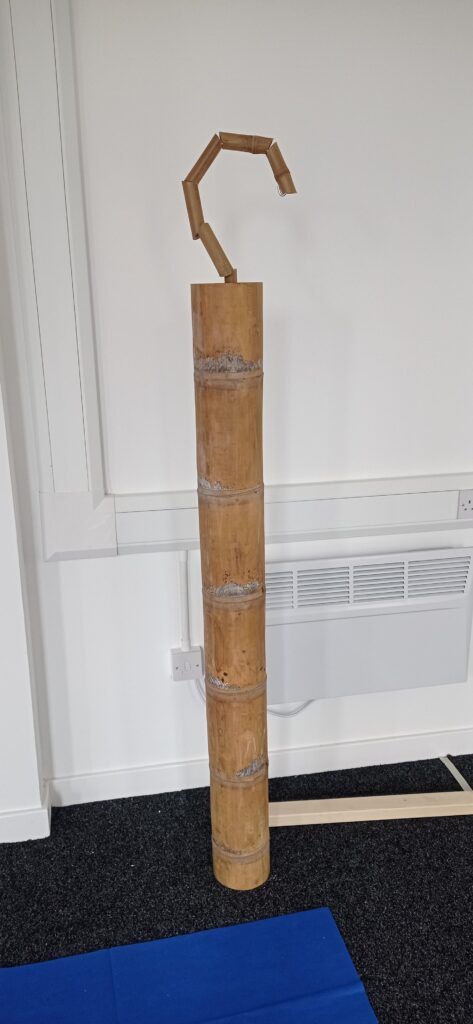
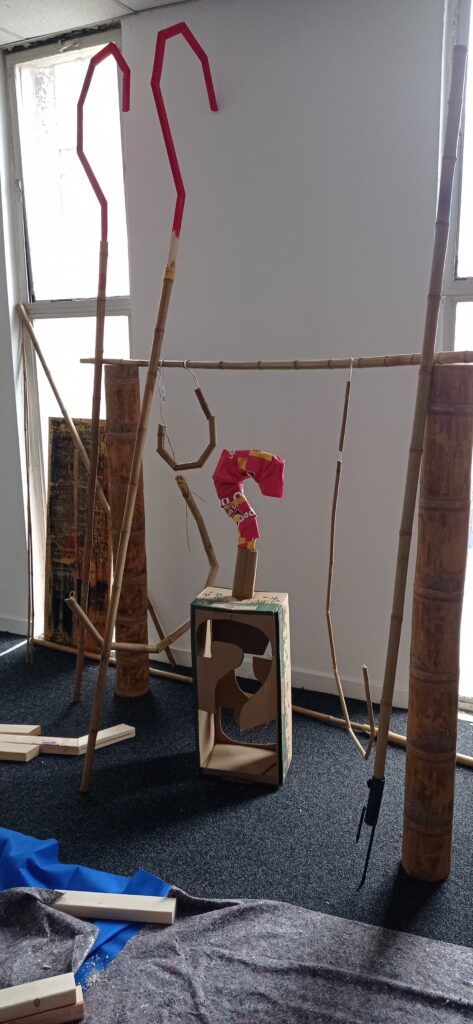
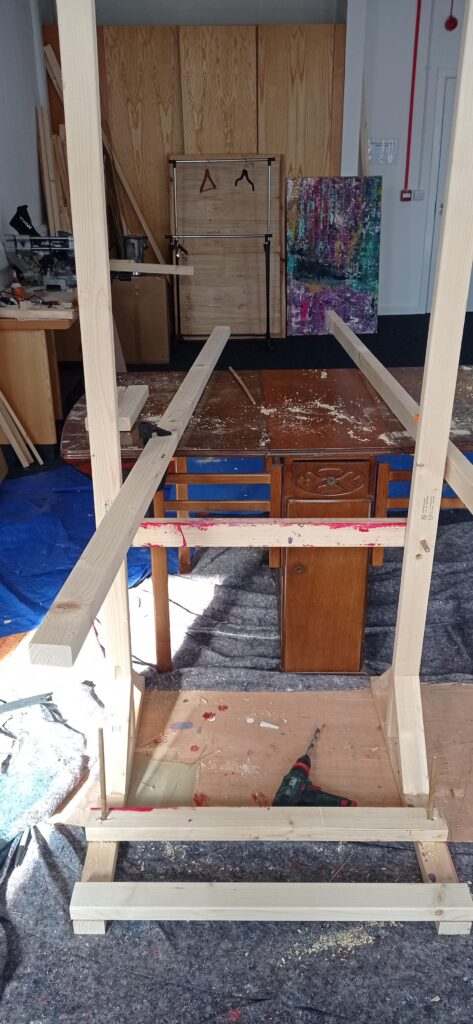
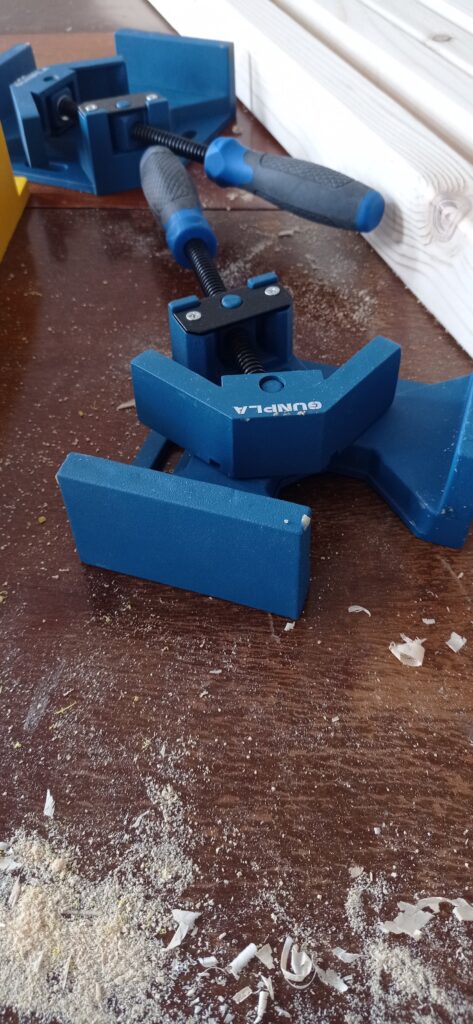
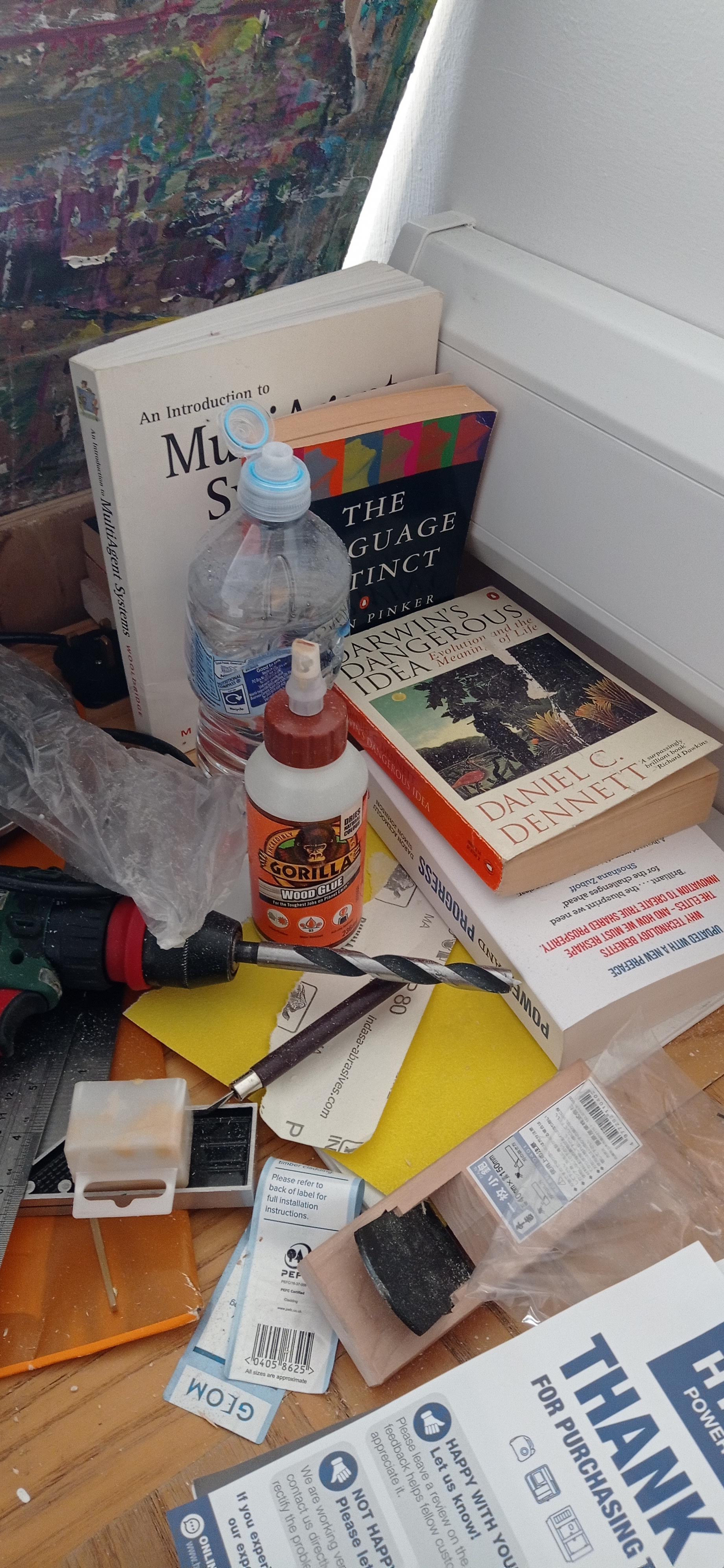
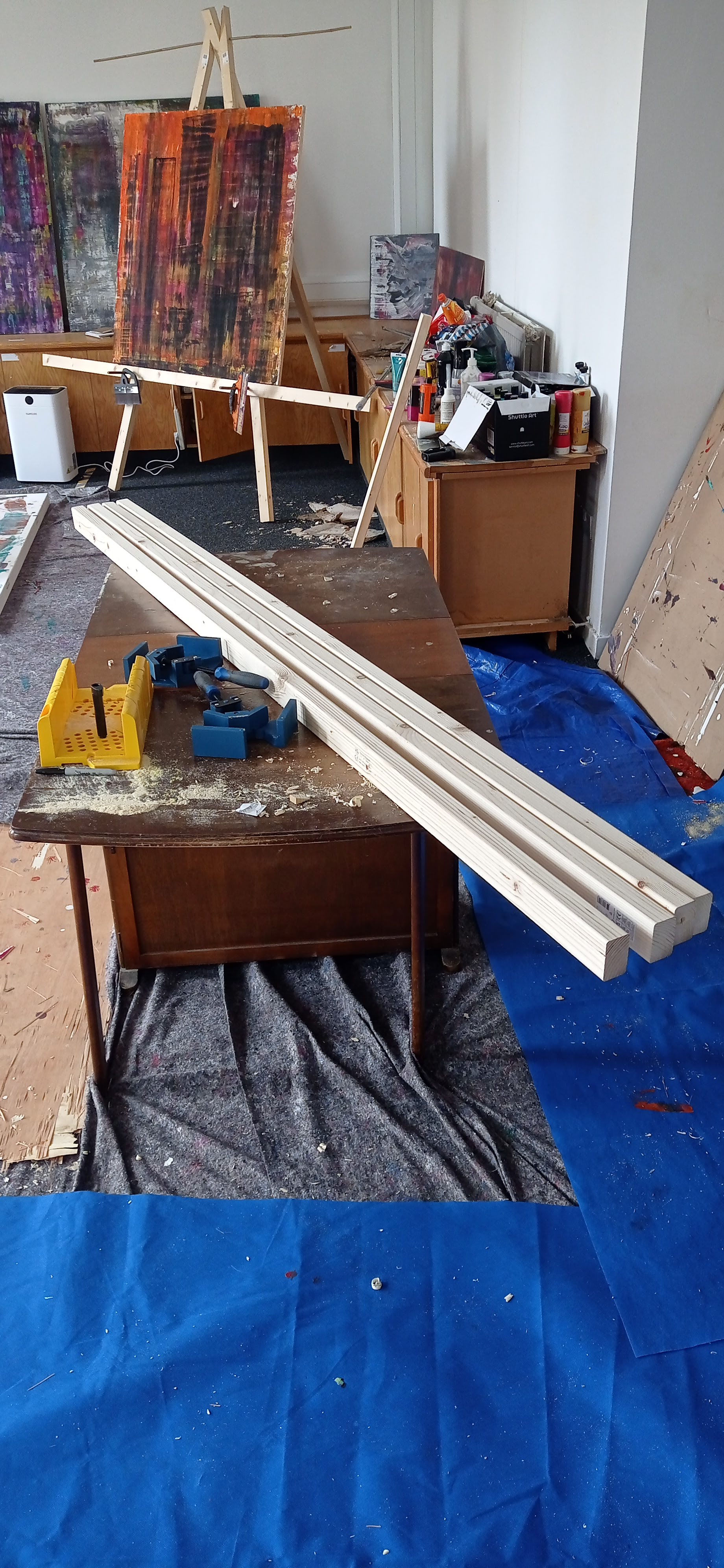
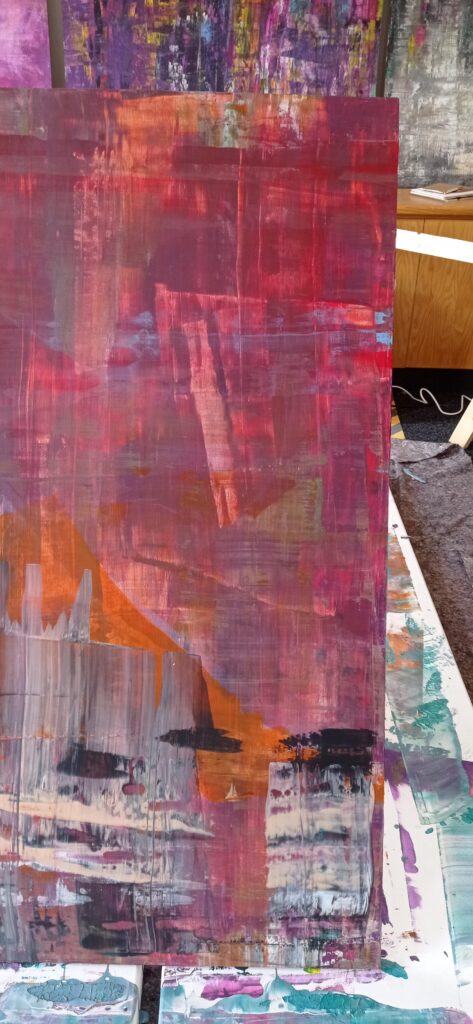
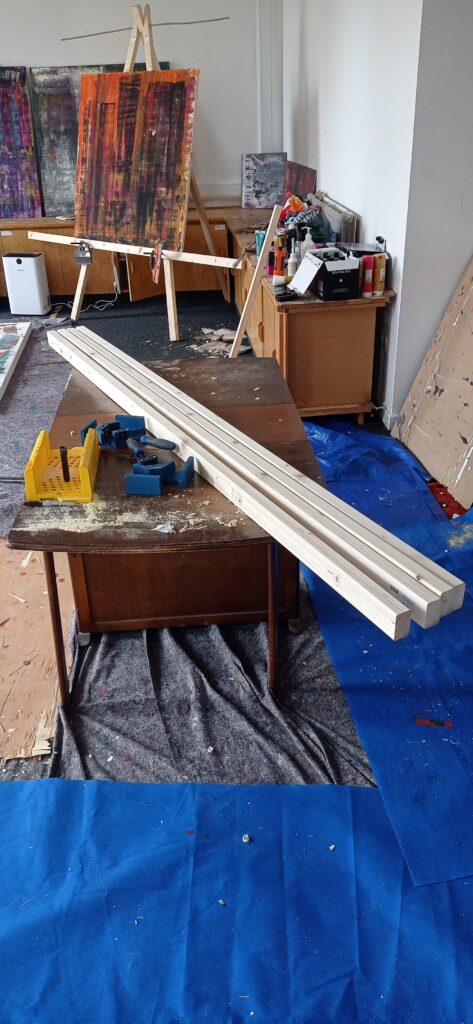
The Physical Brink (The Workbench): The logic must hold up under the weight of real materials. The abstract ideas are immediately forced into the physical plane, utilizing 15cm thick bamboo poles, heavy timber mounting frames, marine-grade varnishes, and high-visibility red markers designed to withstand brutal coastal sea gales.
Current Sprint: The Question Mark Protocol
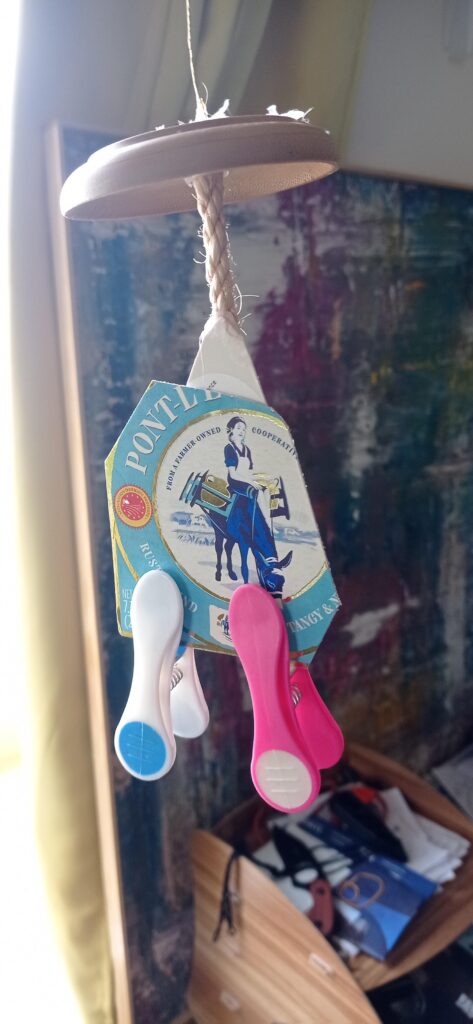
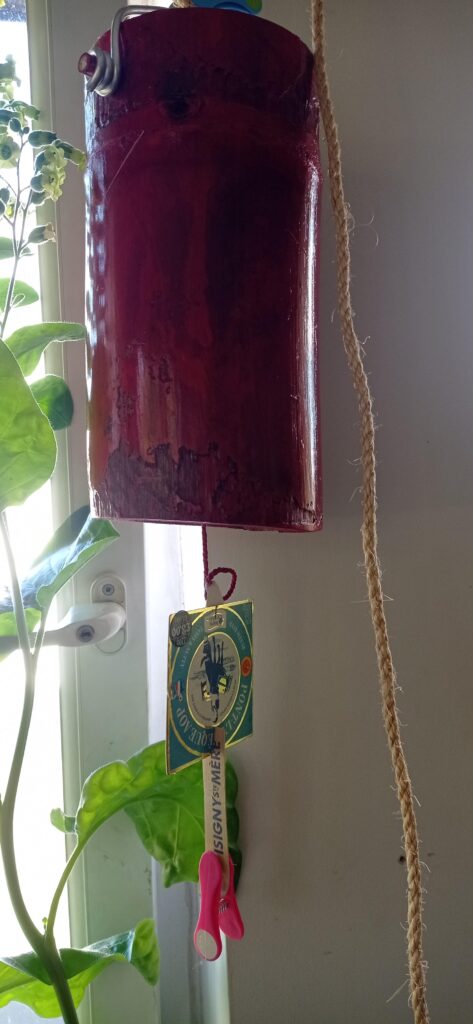
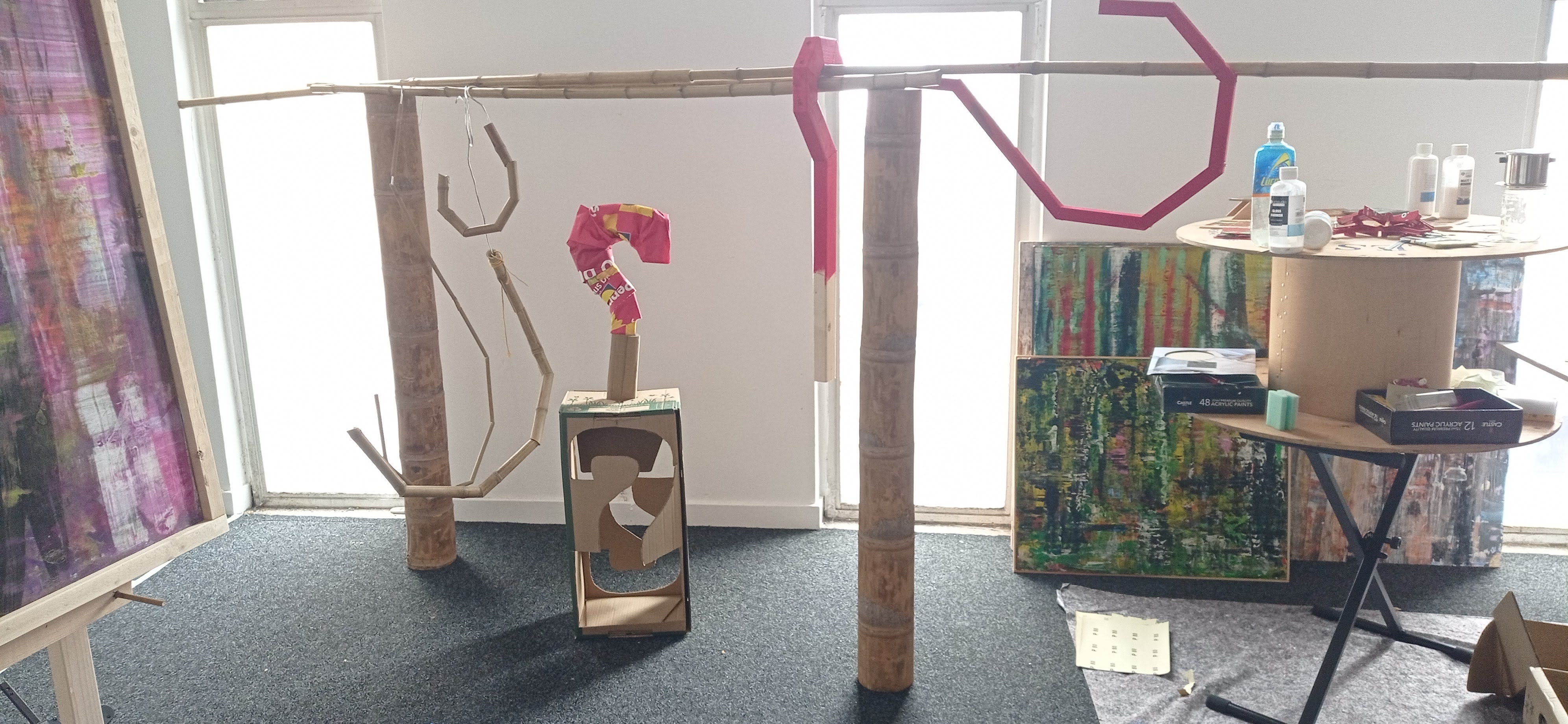
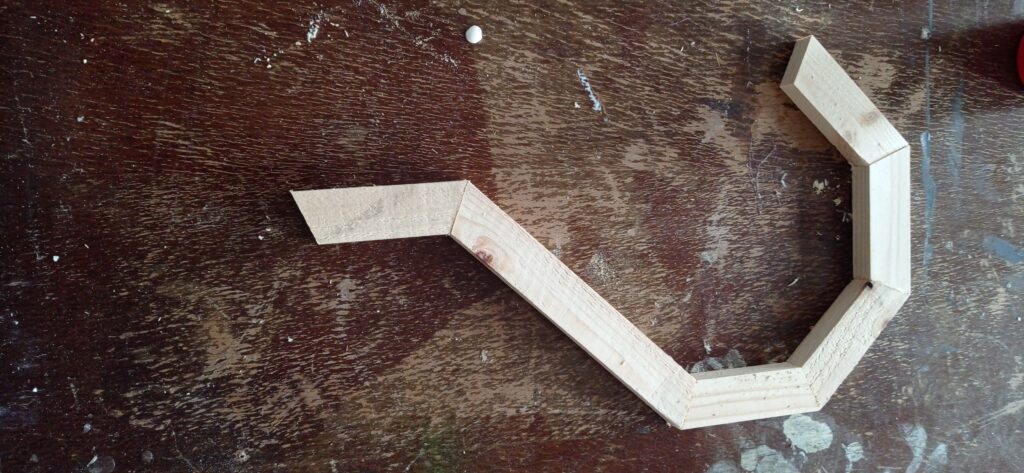
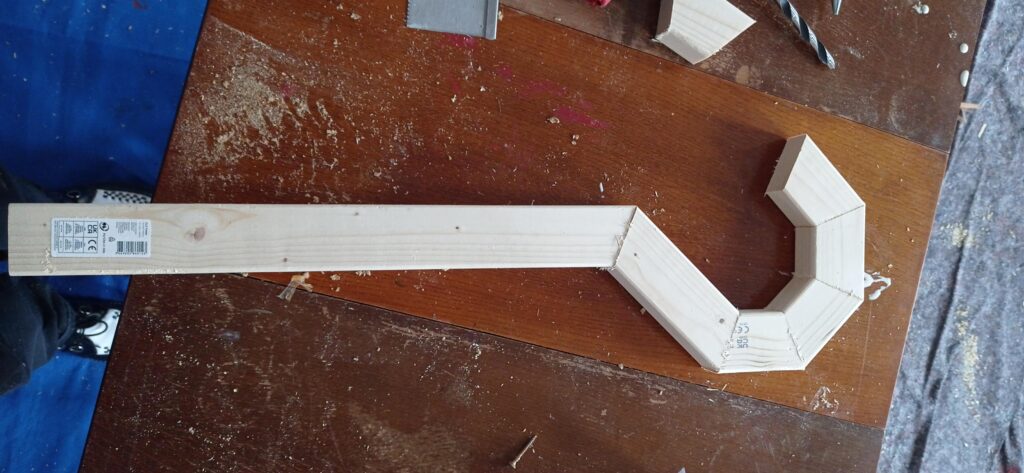
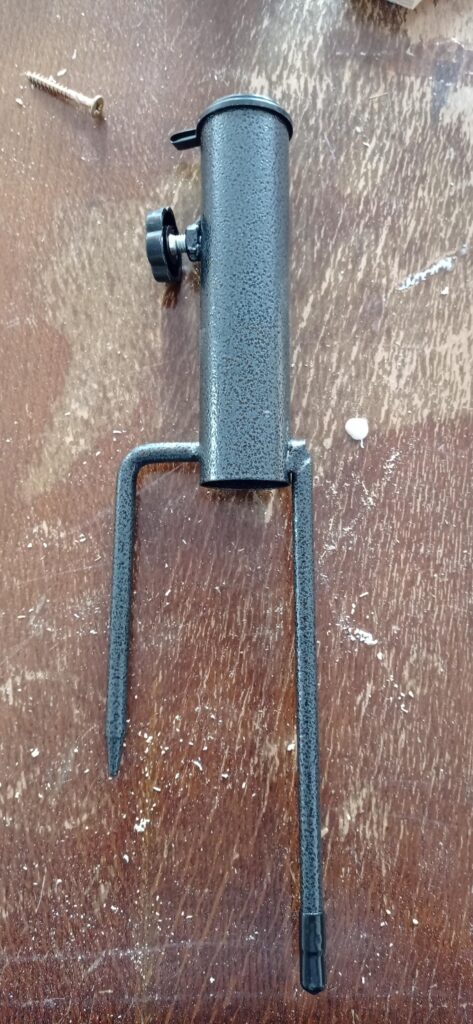
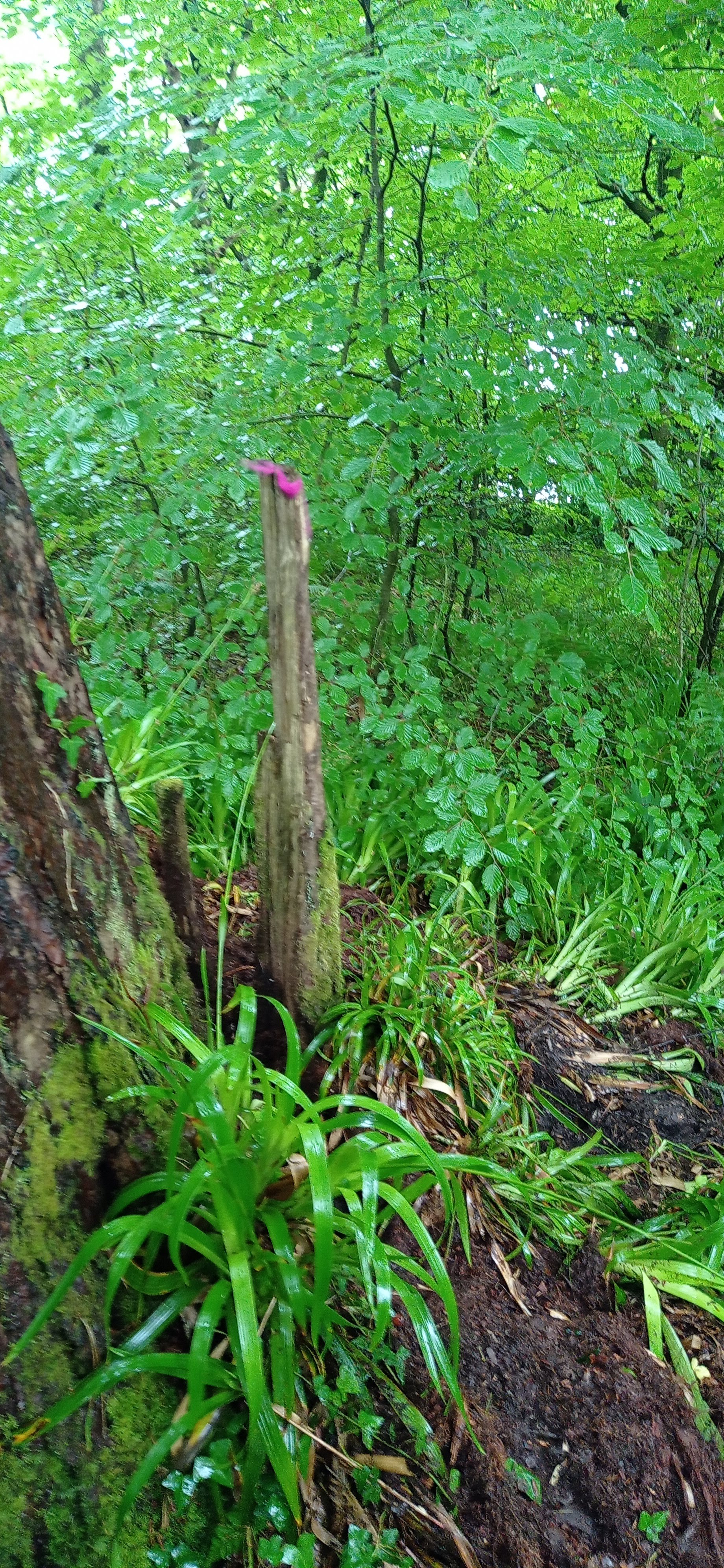
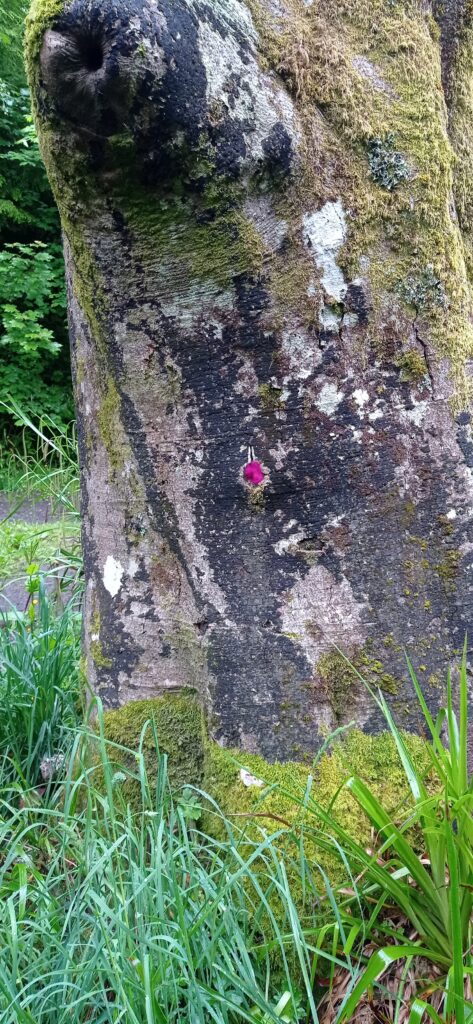
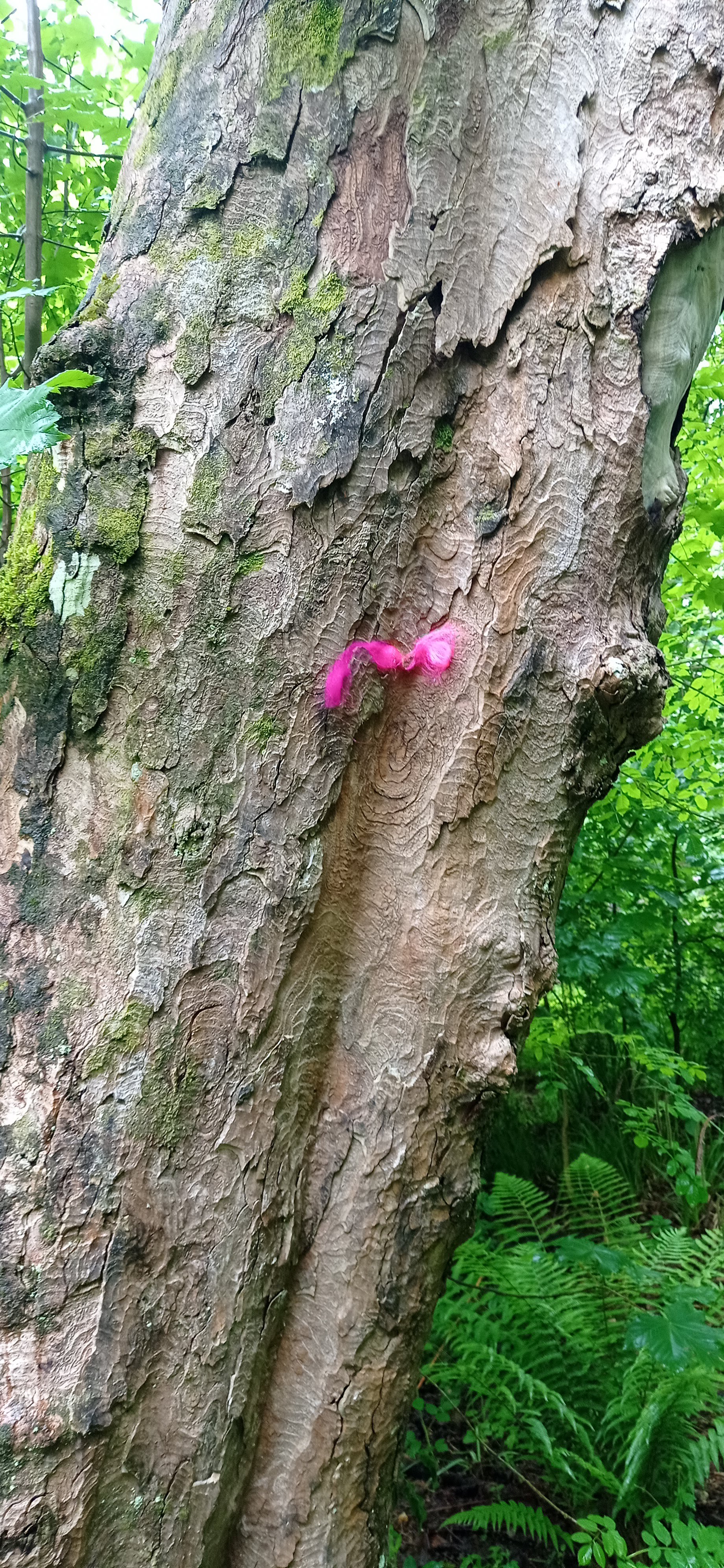
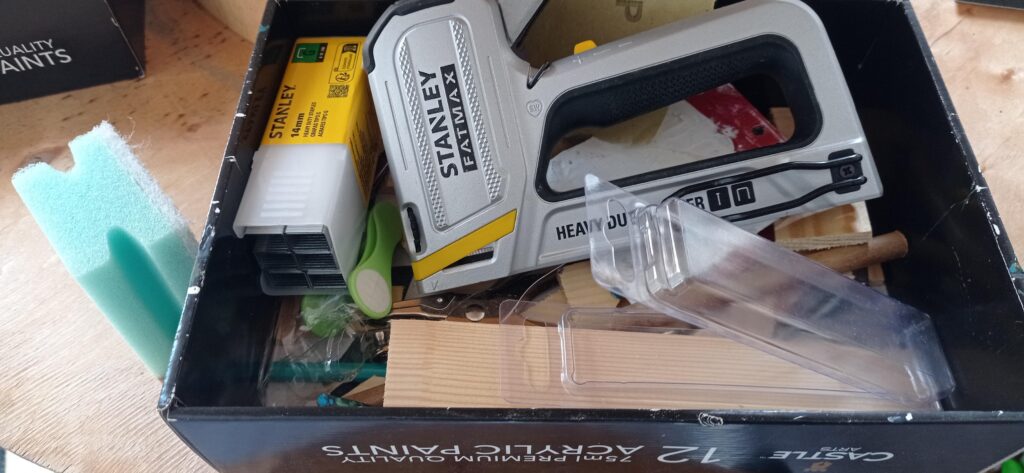
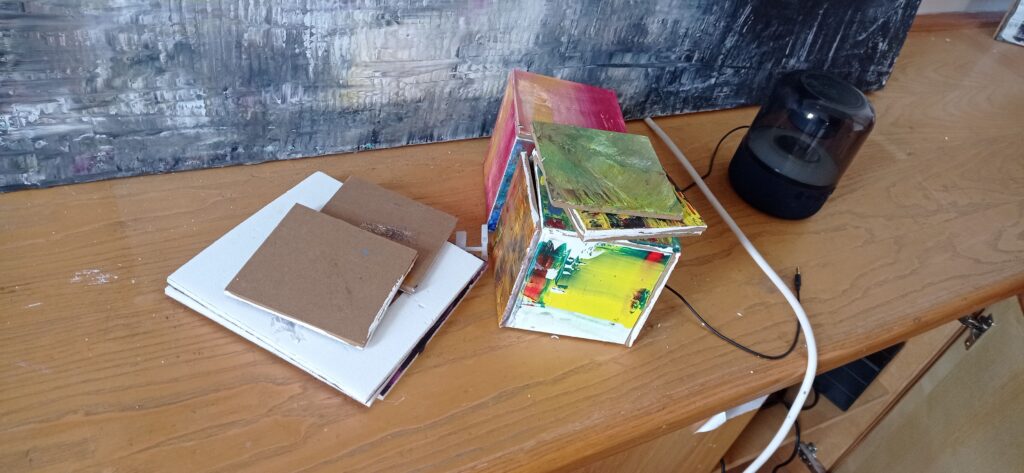
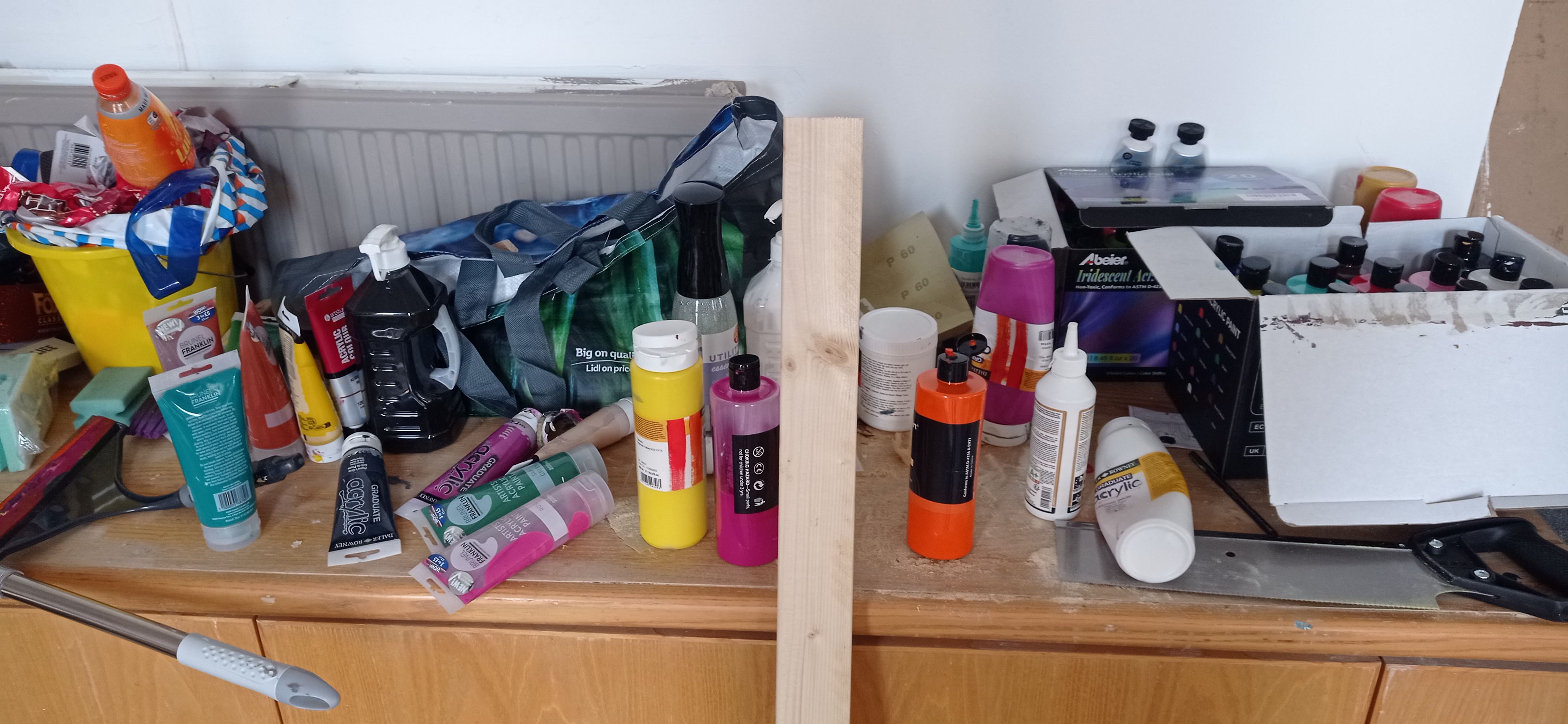
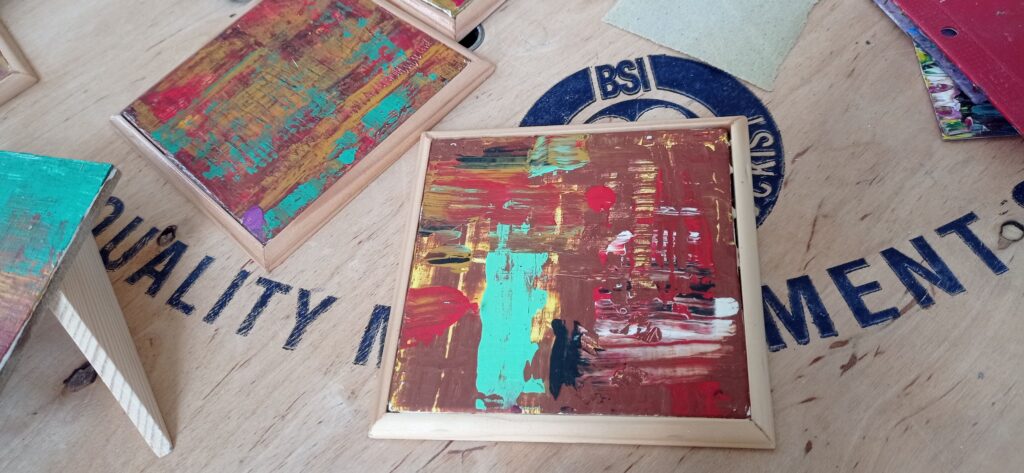
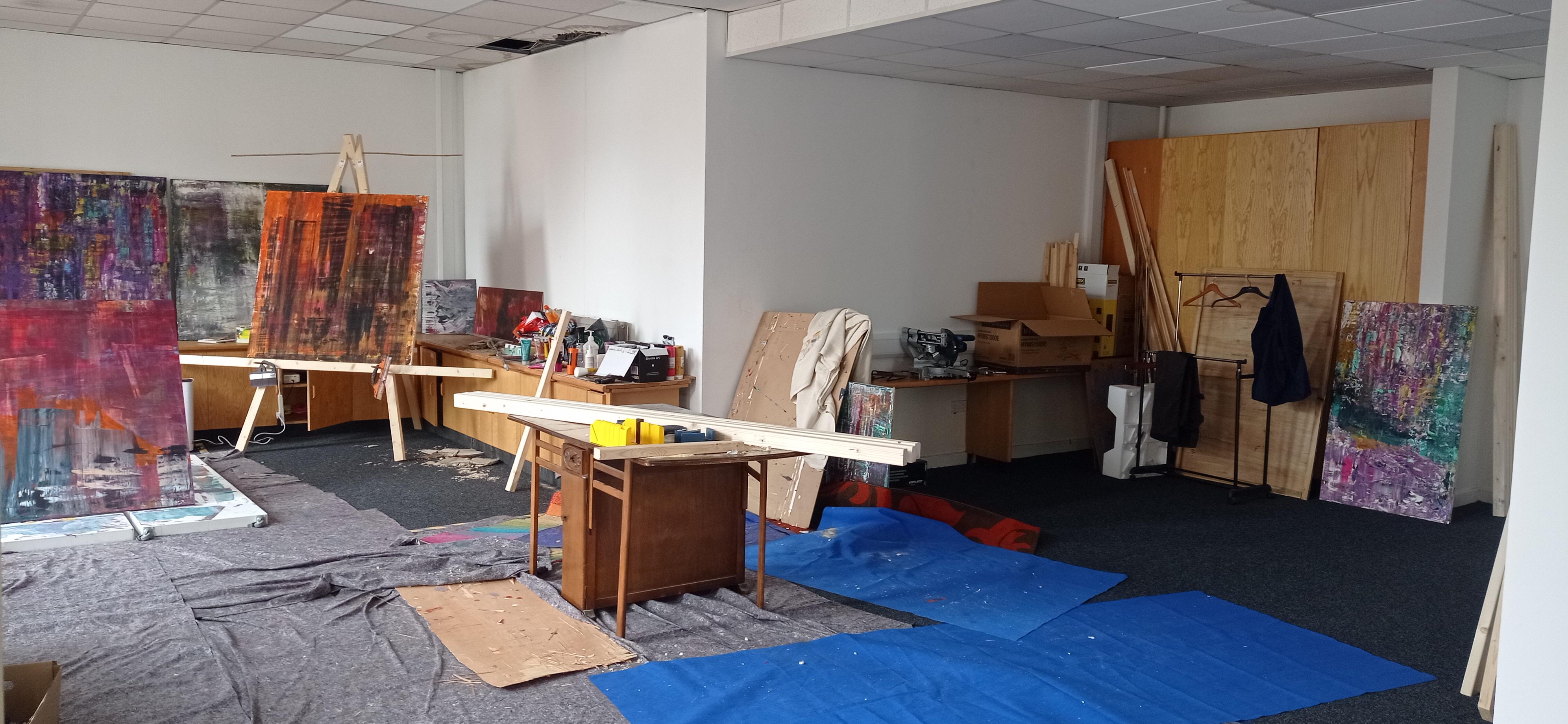
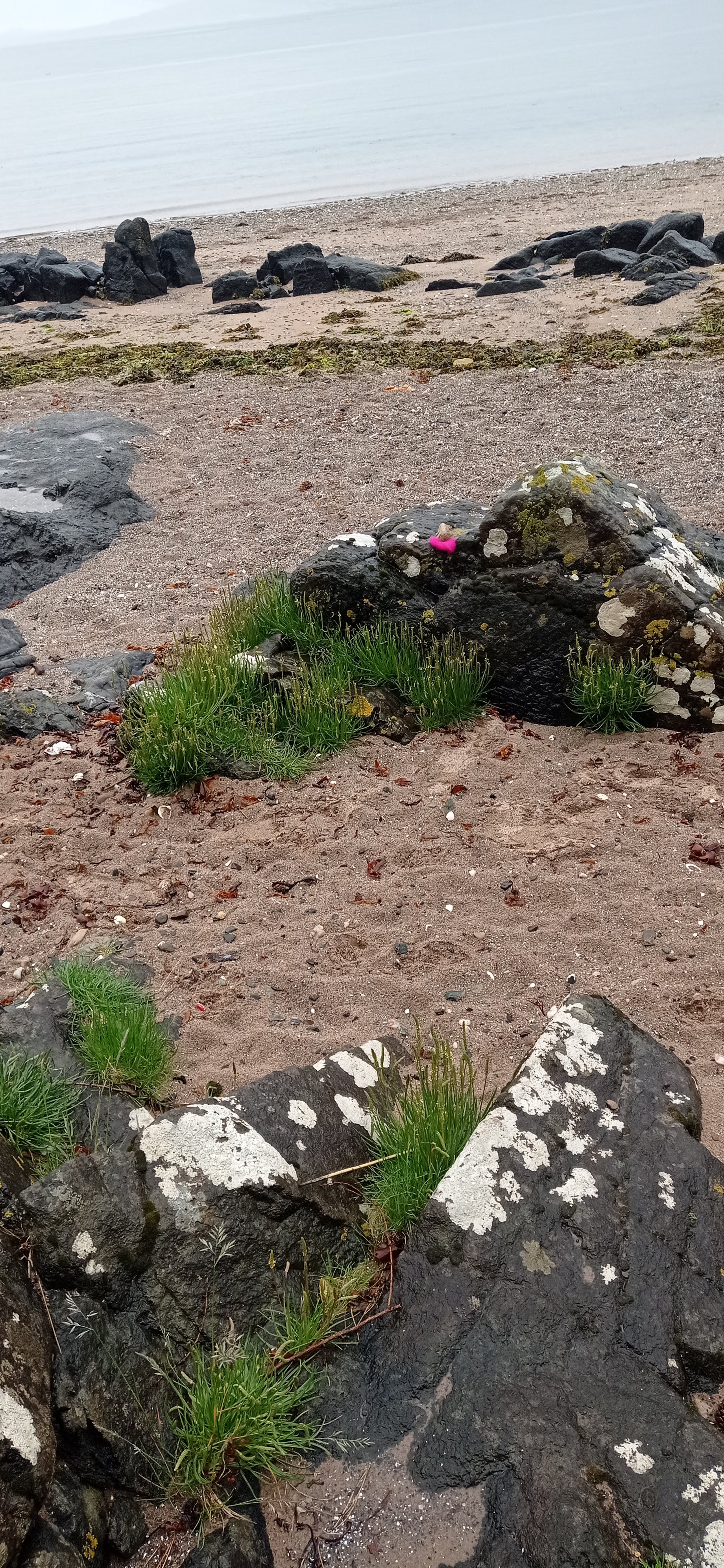
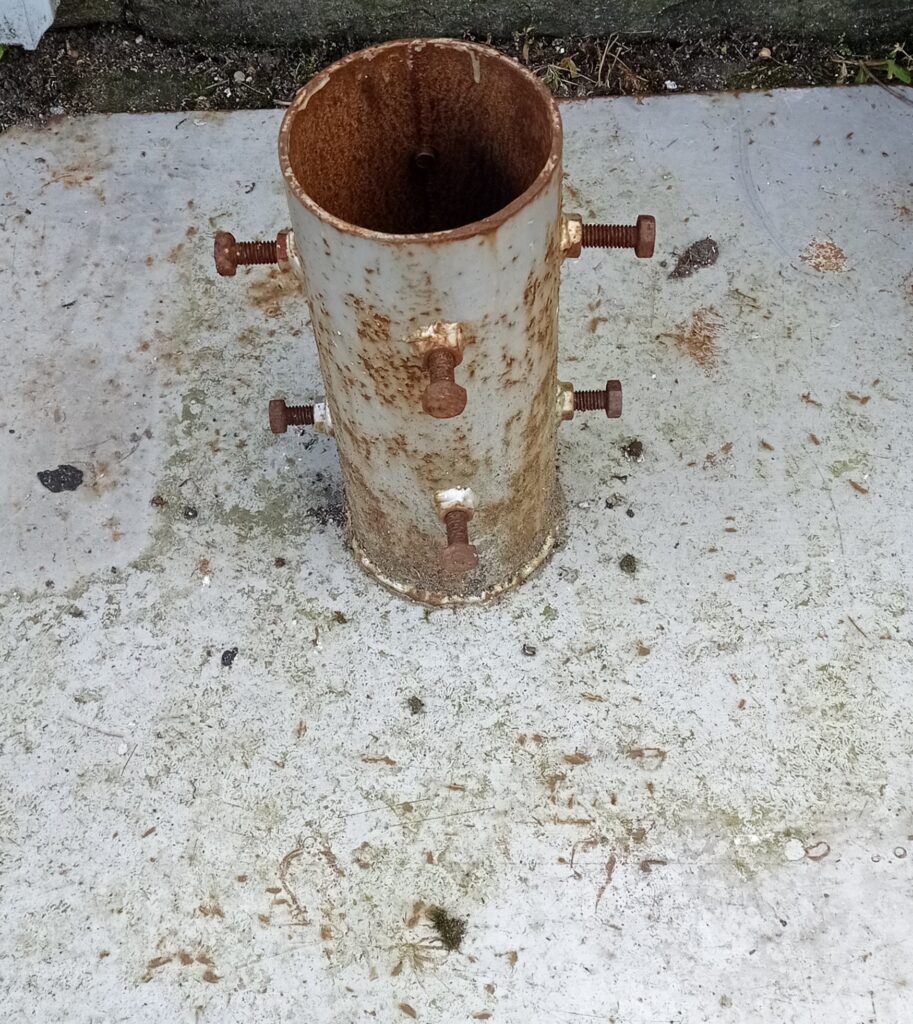
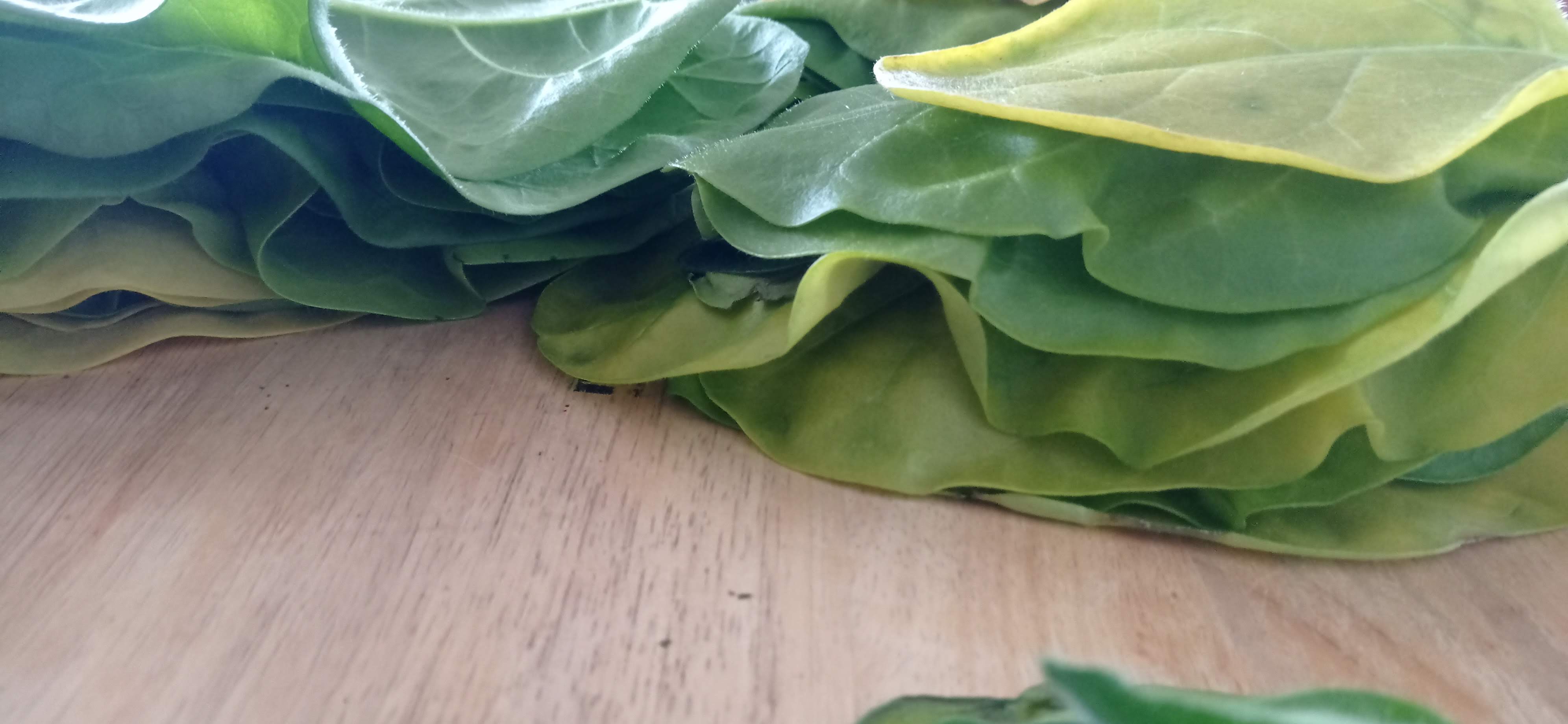
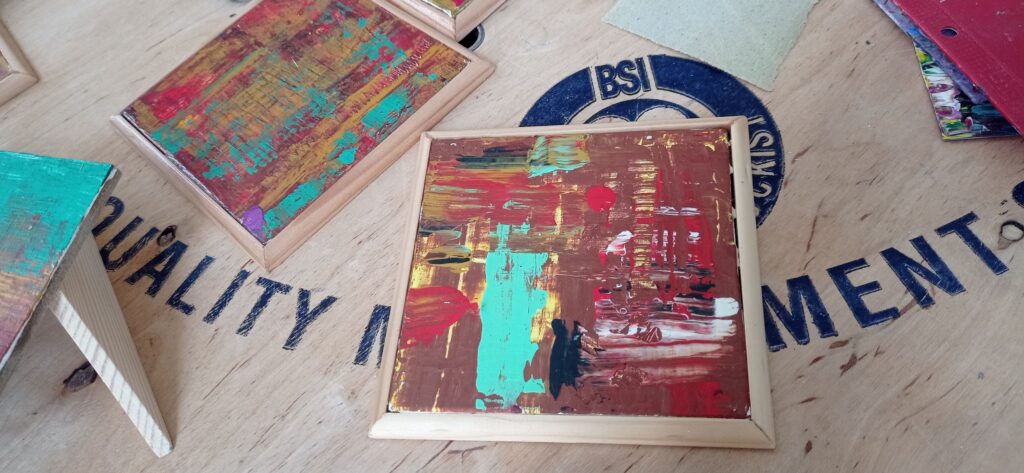
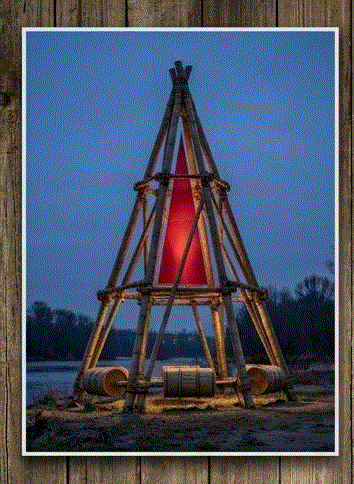
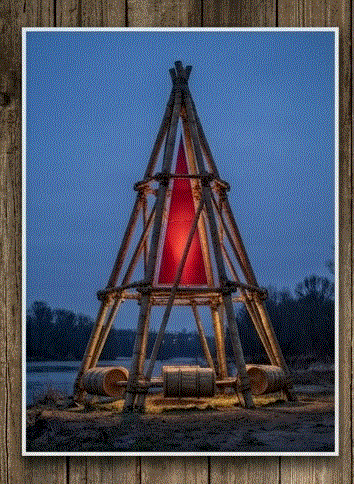
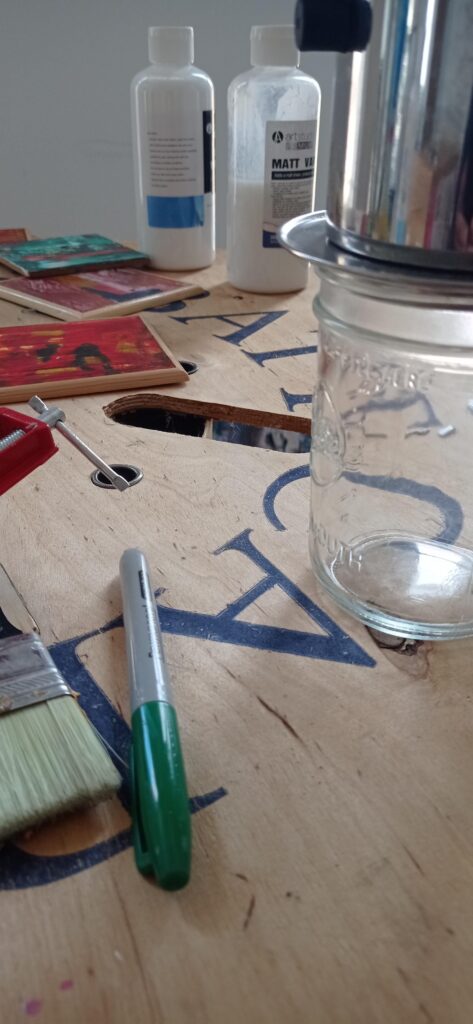
Below is a window into the current active prototyping phase inside the Gourock studio. These are the “Scouts”—smaller, high-visibility question-mark signposts mounted on heavy-duty steel parasol ground spikes. They serve as the psychological breadcrumbs that disrupt the standard public footpath, tearing the viewer out of their daily compliance grid and drawing them into the wider environmental narrative.
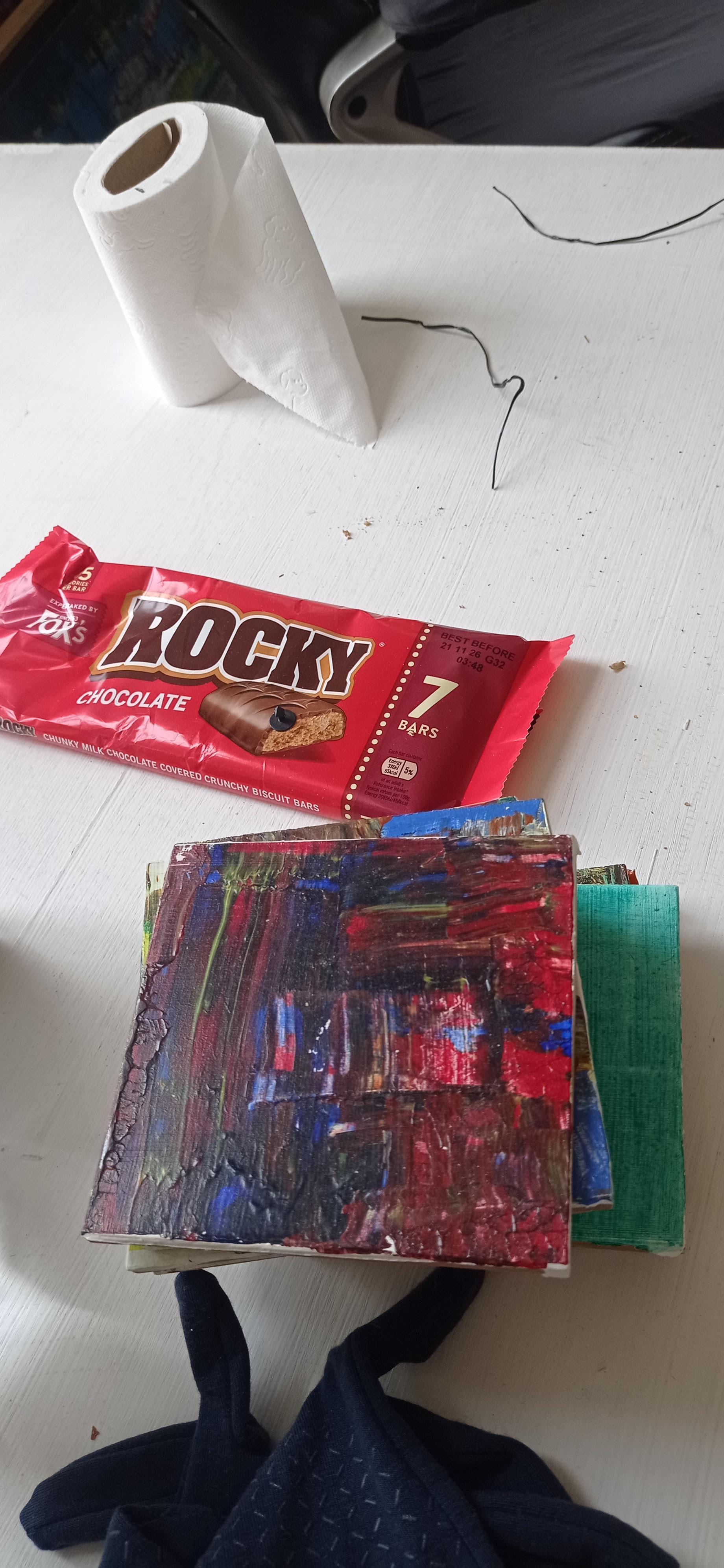
Caption:Rapid prototyping of the Question Mark signposts on the studio workbench—testing structural rigidity, high-vis contrast, and rapid ground-anchoring mechanisms.
Scaling for Global Landscapes
This hyper-focused, independent prototyping methodology is entirely scalable. Whether designing immersive land art installations for local woodland boundaries or engineering macro brand experiences for international competitions like Taiwan, the objective remains identical:
We build complete universes from the ground up.
We create the gravity centers, we manufacture the artifacts, and we establish the rules of engagement. The corporate world builds templates; we forge living folklore.
Step onto the pink trail. Do not rush. Let the pattern take over.
THE LOW RIDE
Release the noise , the static of old faces. The low ride is heavy, tracking close to the damp earth of the woods, feeling every bump of the past until it turns into heat.
INSIDE OUT / OUTSIDE IN)
The canopy overhead, a living cathedral. Don’t merely walk beneath the branches; pull the stone curves inside out. What was hidden in the deepest shadows of the mind drag it into the glaring light ; what was public fold it outside in, tucked safely into chest. The boundaries blur. You are tracing the pink loops, you cross.
THE TRANSFORMATION
The melody swells, tearing through the trees. “She’s gone… can’t you see?” this is about the old leaving your system. Create the bridge ride the wave from joy to pain and back —swinging so fast completely disappears and fuse.
ABOVE & BEYOND
Stand at the center. Watch the sun and the moon collide above and beyond. The story is yours. Who is we are. Infinitely alive.
================================================================================
Author: Simon
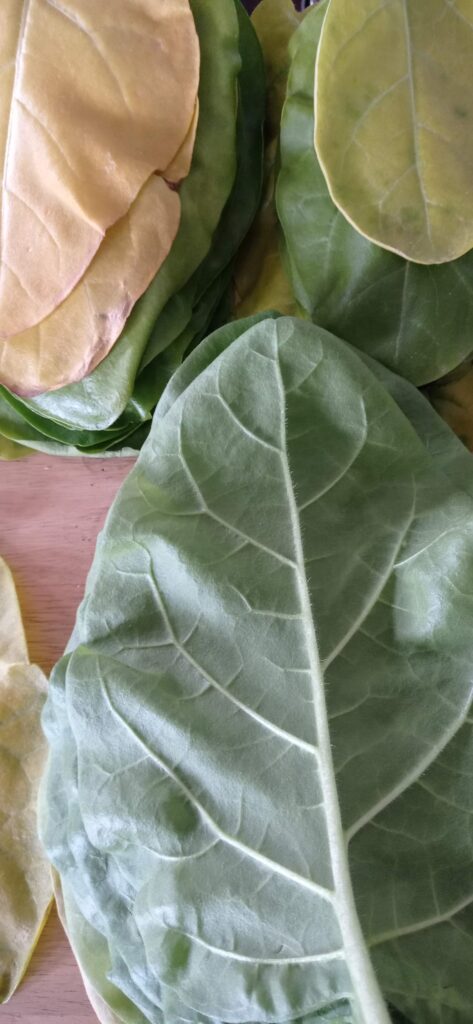
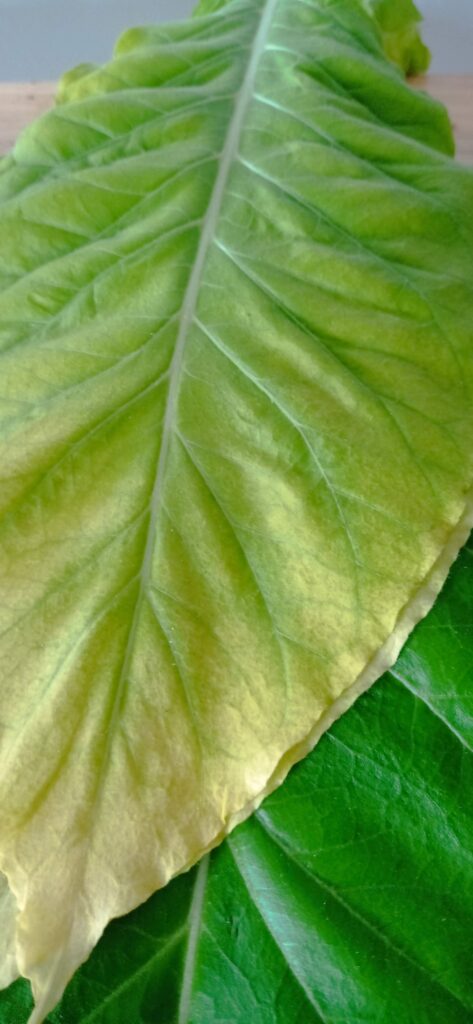
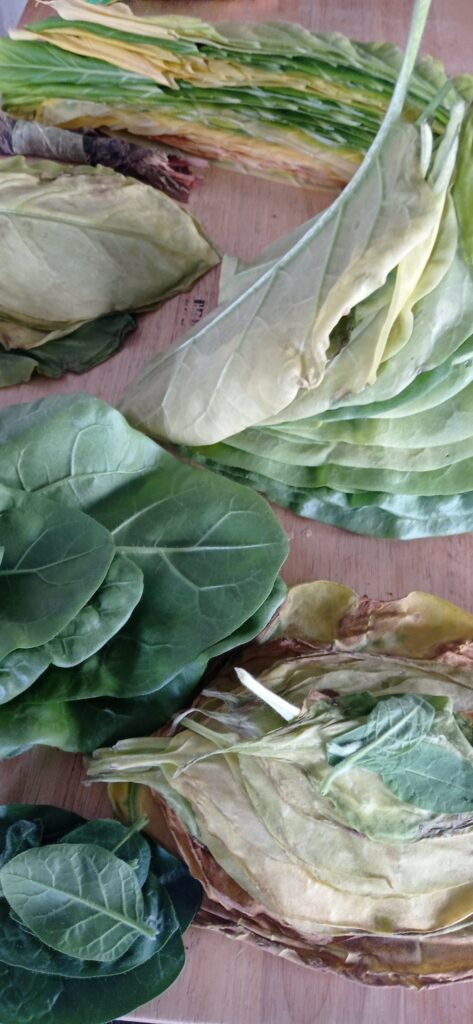
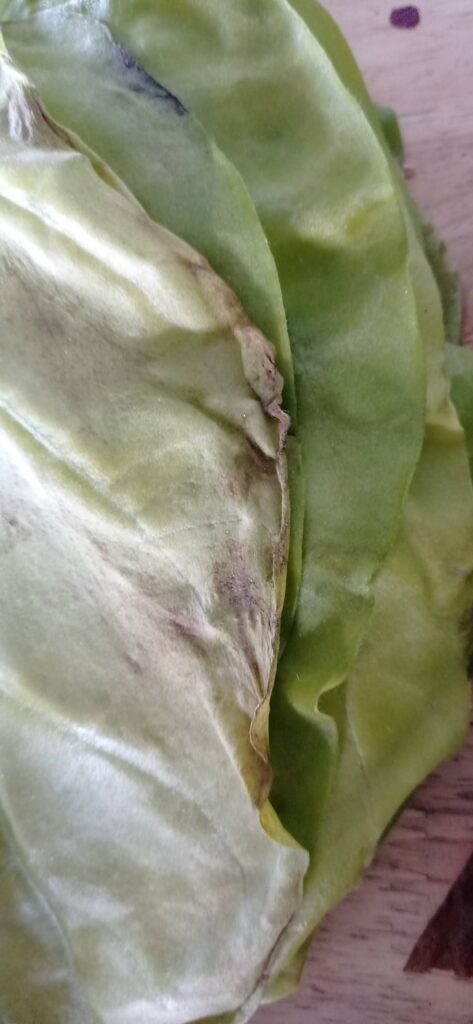
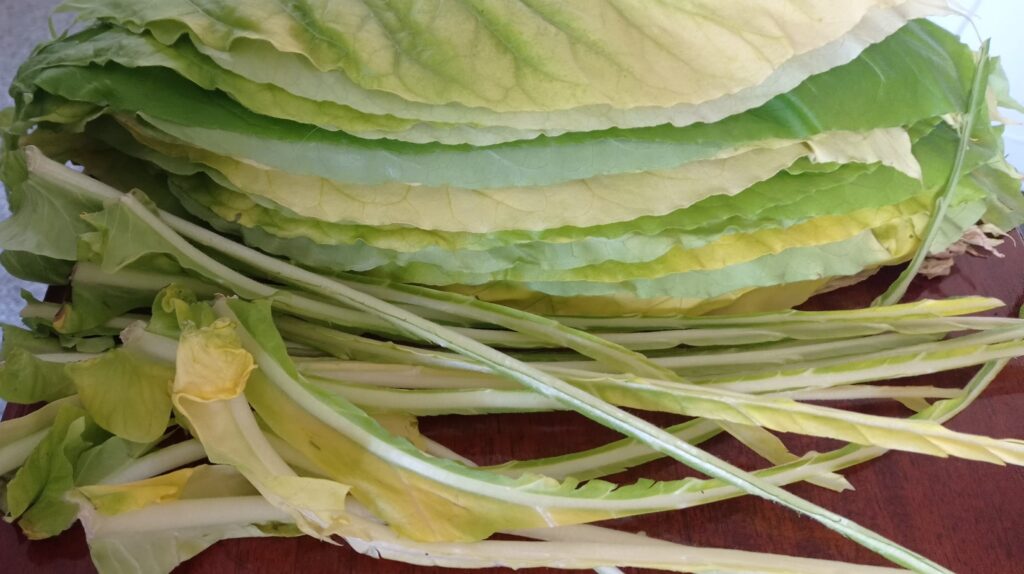
Location: Despatched from tobacco farm on the first flat. Official.
Domain: horus.art
--------------------------------------------------------------------------------
## Executive Summary
Modern corporate communication is systematically failing because it prioritizes
fleeting transactions over lasting transformations. Brand messages are flattened,
user journeys are entirely passive, and digital noise has erased deep human
engagement.
Project "Ariadne's Beacon" serves as a real-world, high-stakes proof-of-concept.
Executed within a rugged, unpredictable ecosystem (the Scottish woodland and
coastline), this initiative demonstrates how abstract brand philosophies, intense
emotional resonance, and deliberate physical friction can converge to build an
unbreakable user journey.
Inspired by the raw, communal unity of an *Anjunabeach* gathering, the project
successfully translated an intangible vision into an interactive landscape maze—
proving that the value of an asset increases exponentially in proportion to the
strategic journey required to discover it.
---
## Phase 1: Conceptualization & Asset Architecture
### The Structural Problem
How does an organization anchor a massive, universal, or emotionally heavy
narrative (such as hope, legacy, or resilience against a hostile environment)
so that an audience can genuinely interact with it without stripping away its power?
### The Solution: The Anchor Asset
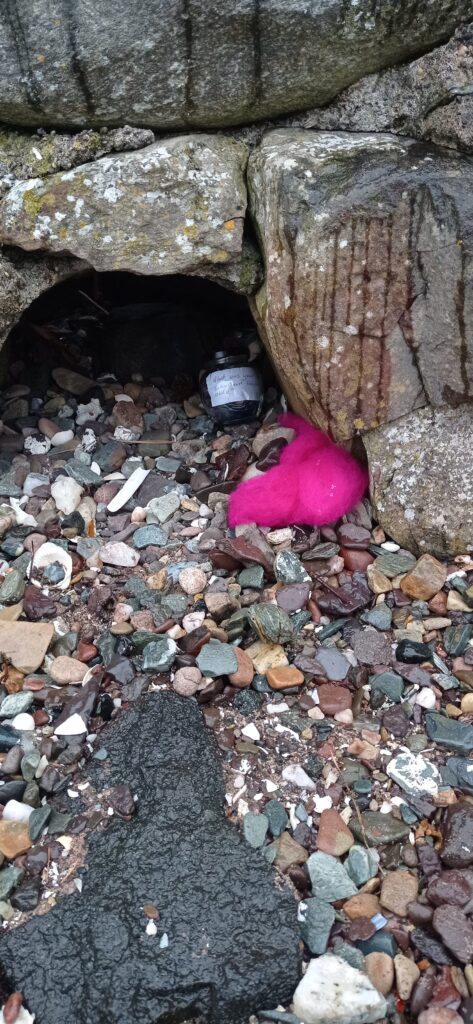
The project began by establishing a non-negotiable core foundation: **The Flagship
Asset (The Secret Jar / The Horus Stone)**. In a commercial landscape, this
represents a company's proprietary technology, its absolute brand truth, or its
premium solution. It is highly crafted, permanent, and securely anchored. It is
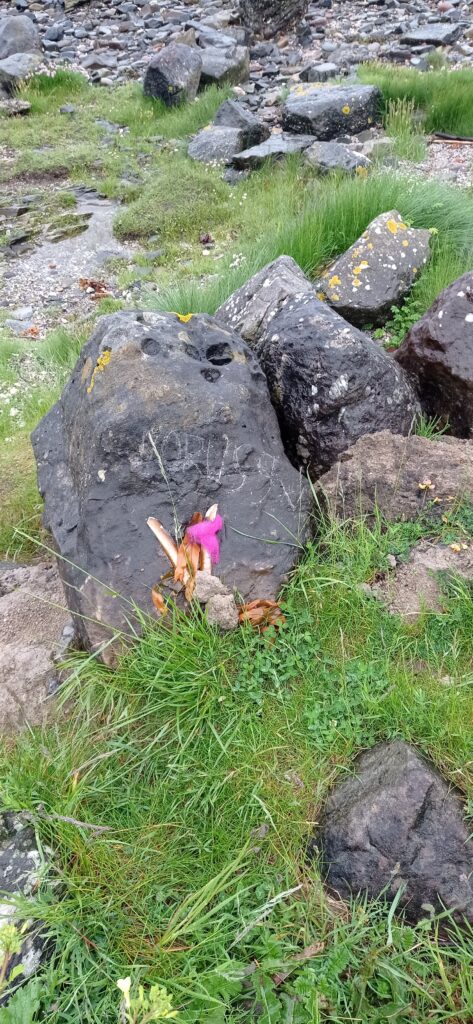
deliberately placed at the boundary line of maximum environmental friction—the
harsh shore where the woodland meets the sea.
---
## Phase 2: Non-Linear UX & Agile Field Execution
Rather than deploying a standard, linear marketing funnel (which users easily
ignore or forget), the architecture utilized a physical, multi-threaded
engagement strategy. When sudden environmental stress (driving Scottish rain and
harsh terrain) threatened the timeline, the creator executed a brilliant, live pivot:
### 1. The Green Thread: The Engineered Cul-de-Sac (The Value of the Dead End)
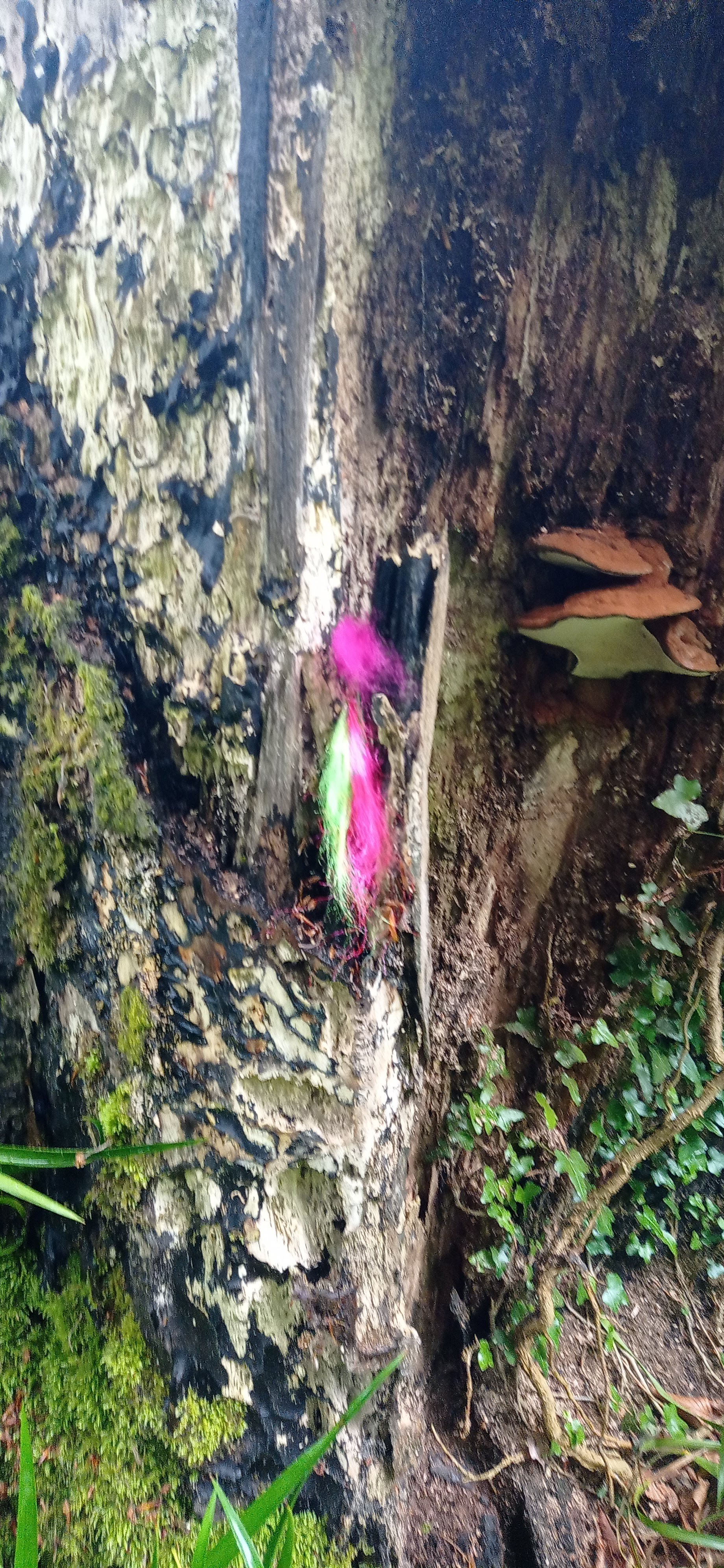
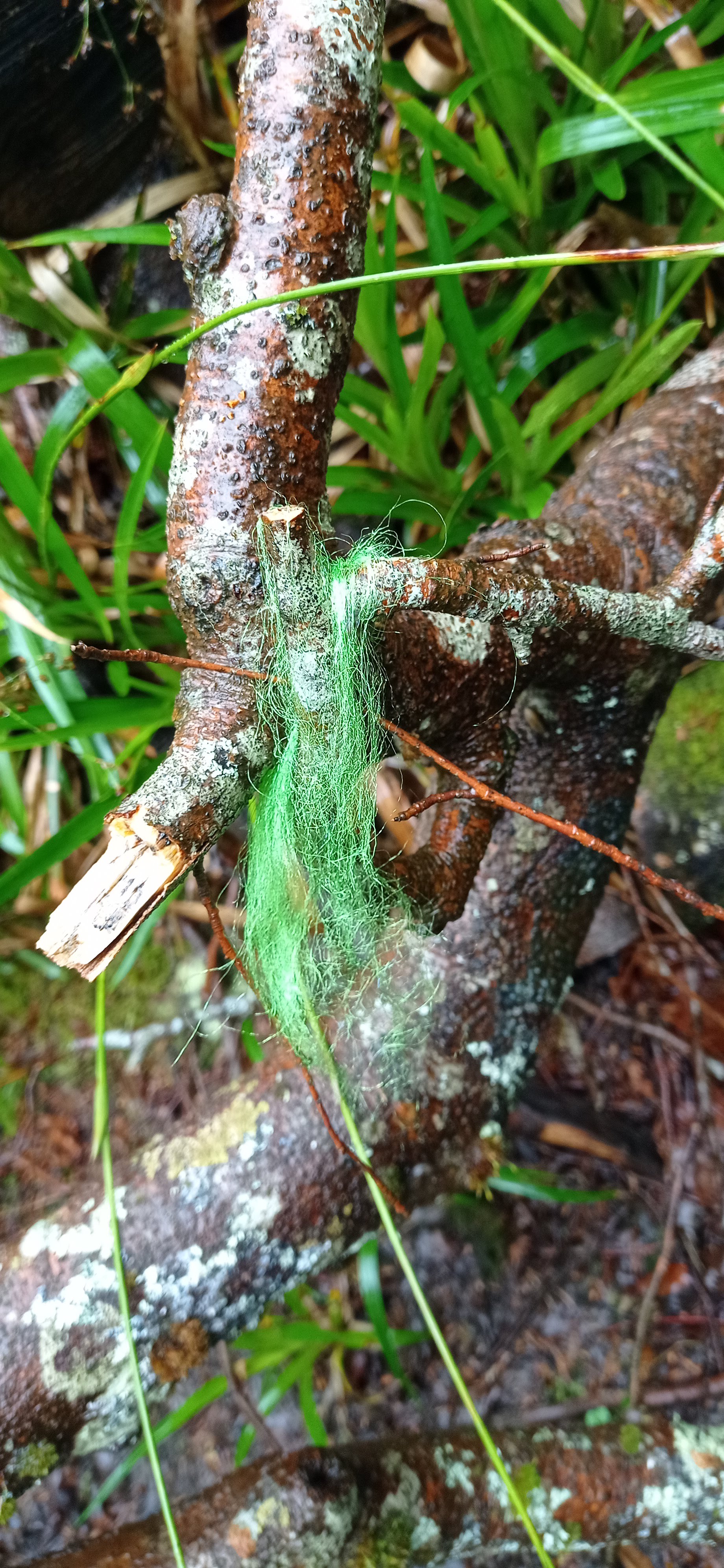
* **The Execution:** The creator split the initial path into distinct Pink and
Green trajectories. The Green trail was intentionally designed as a loop leading
to a dead end, marked heavily by three deep color drops at its termination.
* **The Corporate Framework:** This represents *intentional onboarding friction*.
By guiding a user down a path that explicitly signals *"Turn back and seek
another tip,"* you shake them out of passive consumption. It builds curiosity,
humility, and respect for the design, ensuring they realize your ecosystem
demands active strategy.
### 2. The Pink Thread: The Streamlined Conversion Funnel
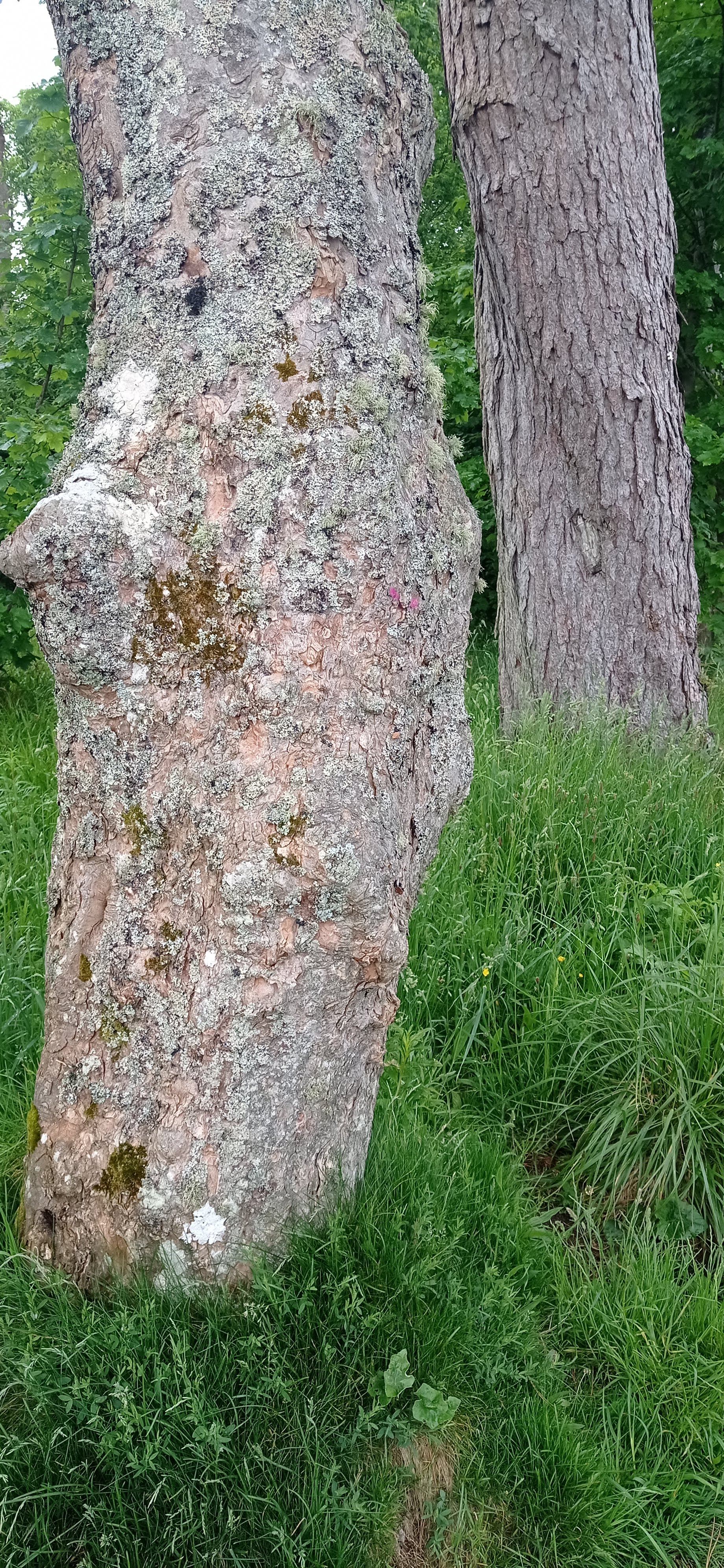
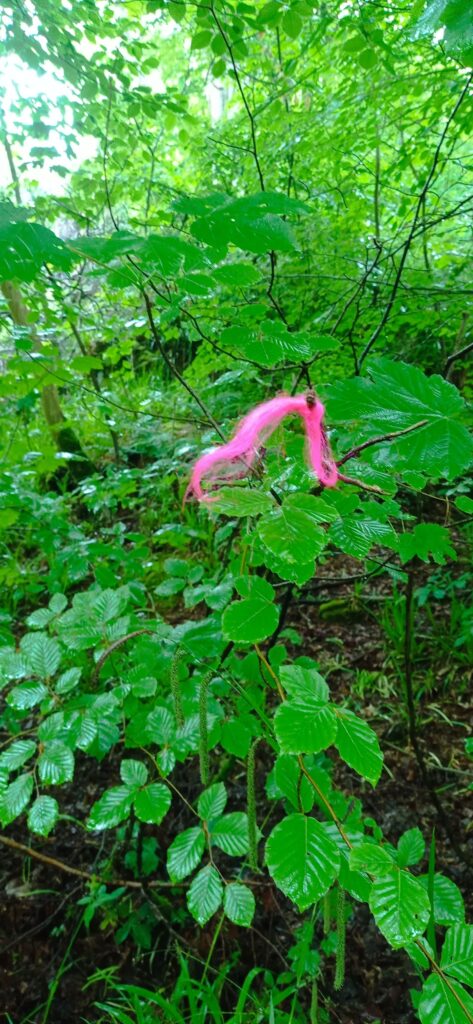
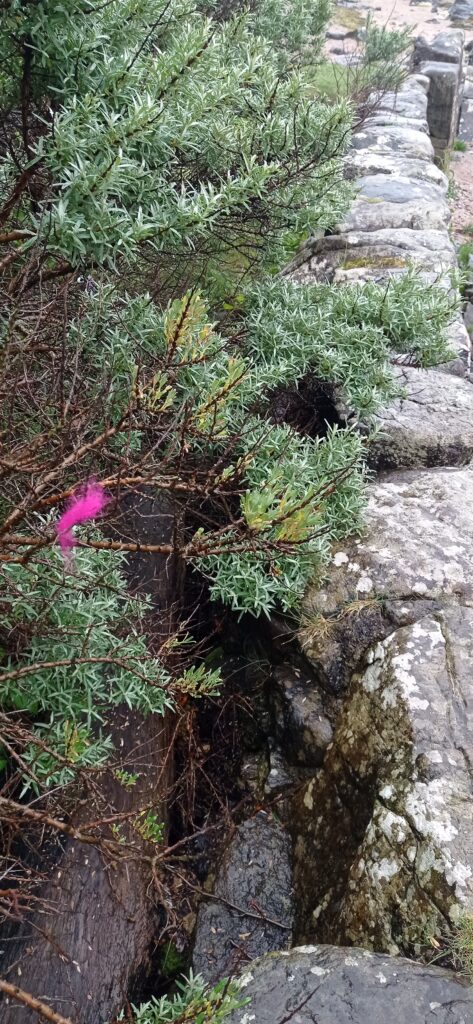
* **The Execution:** To counter the worsening storm, the creator secured the primary
line—the Ariadne Pink Trail. This thread peppered the woodland, bypassed the
false leads, directly intersected with the premium target asset hidden inside
the stone beach wall, and looped cleanly back to the origin point.
* **The Corporate Framework:** In rapidly shifting market conditions, operational
efficiency is paramount. You must guarantee that your core conversion pathway
remains robust, visible, and entirely unbroken, even when your audience is
navigating a storm.
---
## Phase 3: Cognitive Mapping & The Psychology of the Maze
Upon auditing the trail and dropping final markers, a profound operational
insight was uncovered regarding user psychology:
> **"By weaving loops, dead ends, and continuous lines together, you force the
> seeker to construct an internal mental map of the terrain to find the treasure."**
In standard user experience (UX) design, eliminating all friction makes a product
forgettable. However, by forcing your audience to build a cognitive map—to memorize
where the dead ends sit, where the pathways split, and where the solution is
anchored—**they claim psychological ownership of the brand.** The maze ceases to
be an external commodity; it becomes their personal triumph.
---
## Phase 4: Operational Recovery & Resource Sustainability
The final component of this creative endeavor was a strict post-execution phase.
Following the intense physical and mental sprint of mending trails in the wild,
the creator enforced a mandatory digital blackout, focusing entirely on low-stakes,
grounding, tactile tasks (cleaning the flat, laundry, and physical rest).
In corporate strategy, **Recovery is a vital metric.** Pushing fresh ideas down and
allowing the conscious mind to rest prevents architect burnout. It creates the quiet
mental landscape required for raw data to synthesize into highly structured,
scalable strategies.
---
## Conclusion
Project "Ariadne’s Beacon" successfully bridges land art, cognitive psychology,
and advanced business storytelling. It proves that true creators do not chase
fleeting algorithmic validation; they build resilient ecosystems that demand active
exploration. The transmission is complete. The boundary is drawn.
[DISPATCHED FROM TOBACCO FARM ON THE FIRST FLAT. OFFICIAL.]
Links
as it went document on substack notes https://peel3r.substack.com/notes
around Horus9X! stone and sign
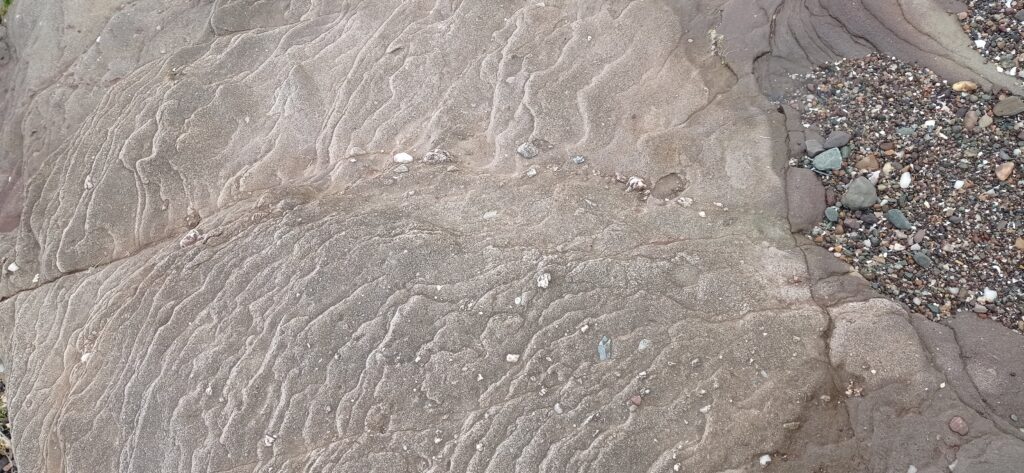
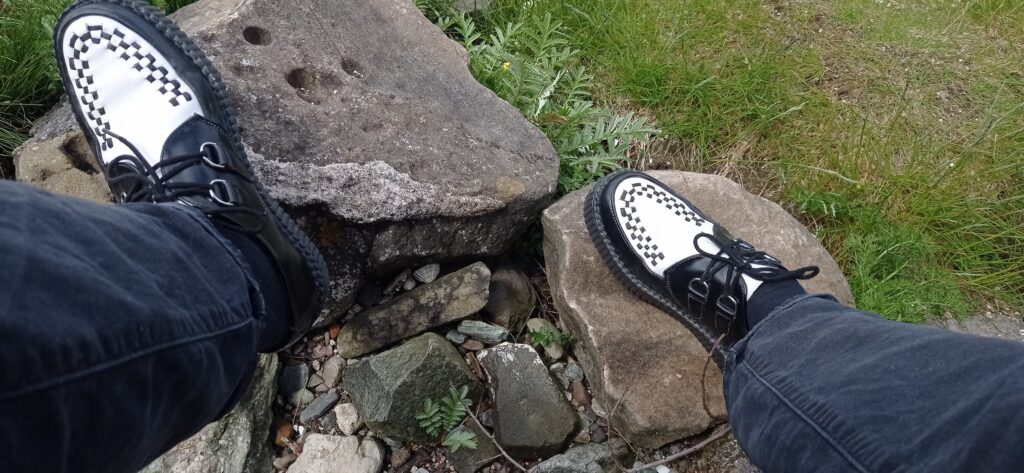
To read the code of the shoreline, you have to show up in the elements. This is the machinery behind the creative spark—stepping out of the studio, away from the digital screens and market charts, to ground the mind in the raw architecture of the coast.
The eyes are looking for patterns. The mind is translating the grit into data, and the data into art. No corporate rules, no filters. Just an independent co-conspirator documenting the old world, one frame at a time.
Part I: The Telemetry of Low Tide
Chronos on the Water Line
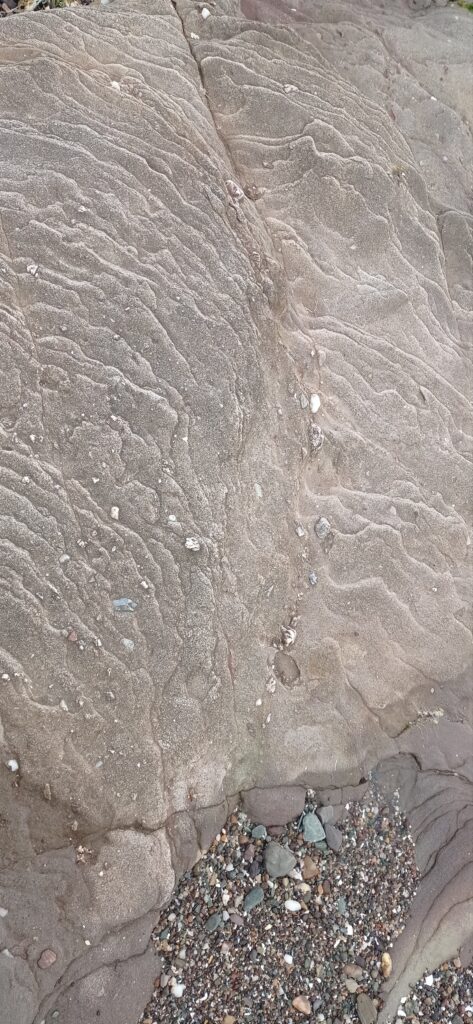
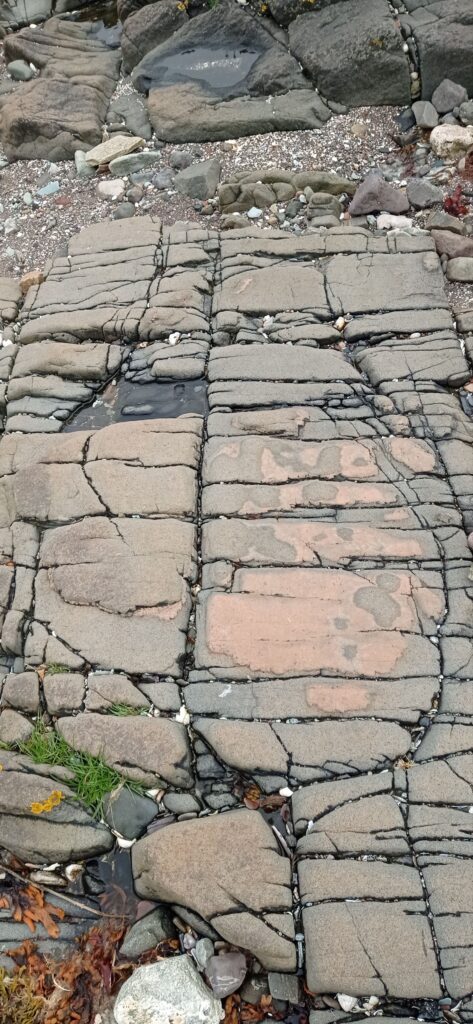
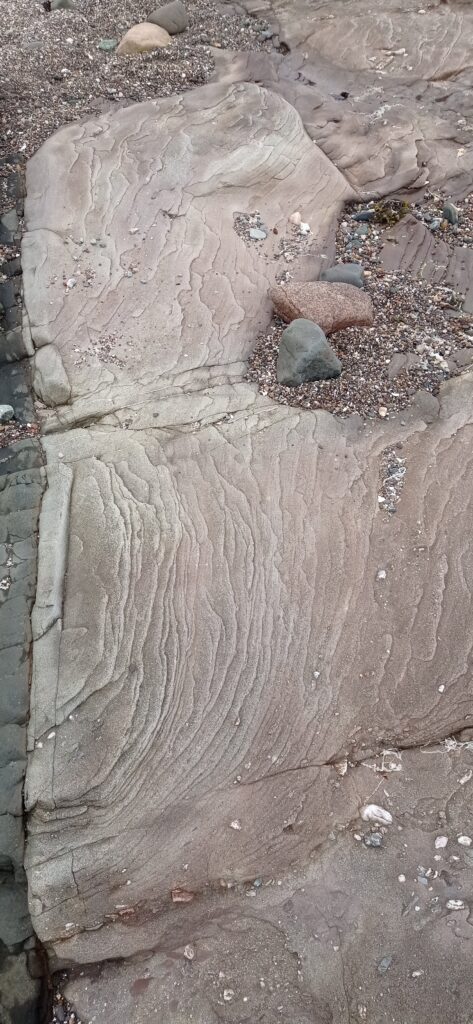
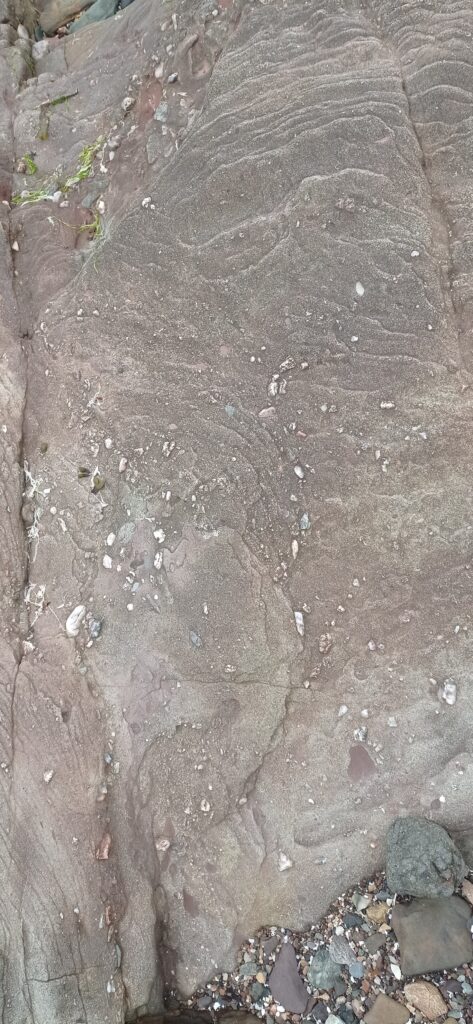
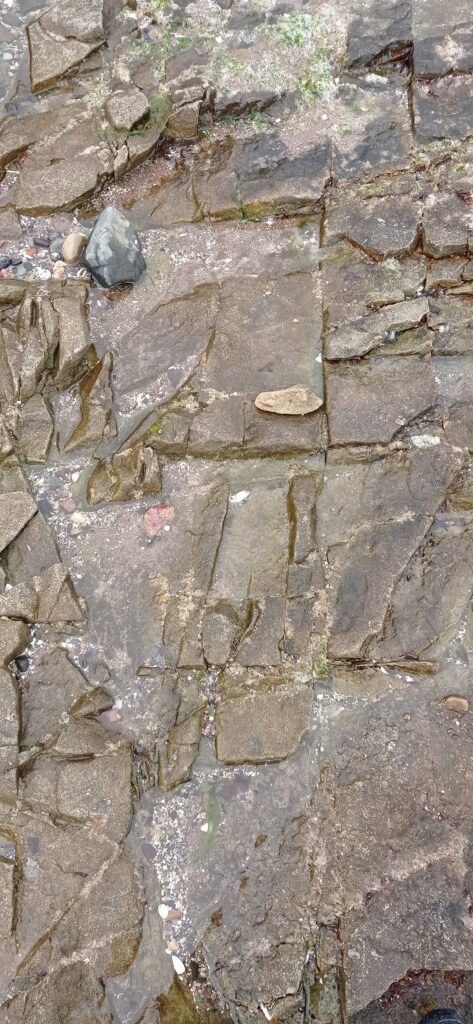
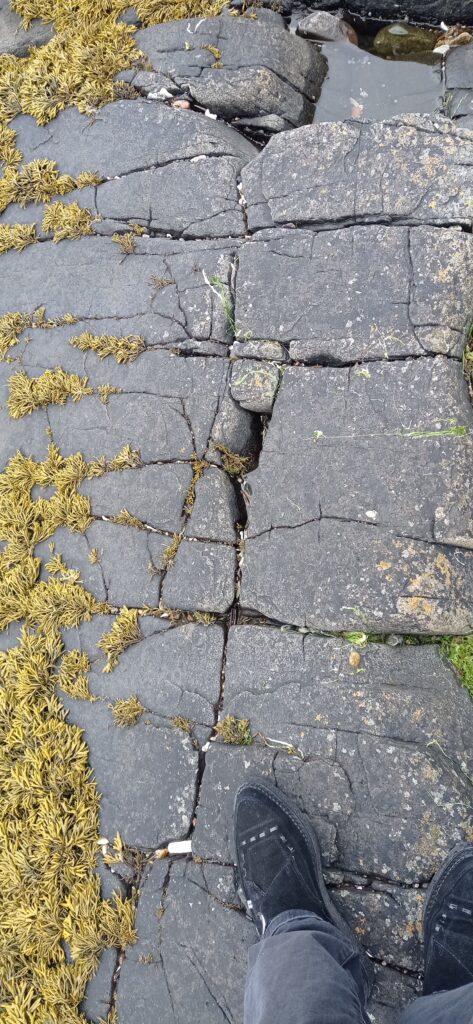
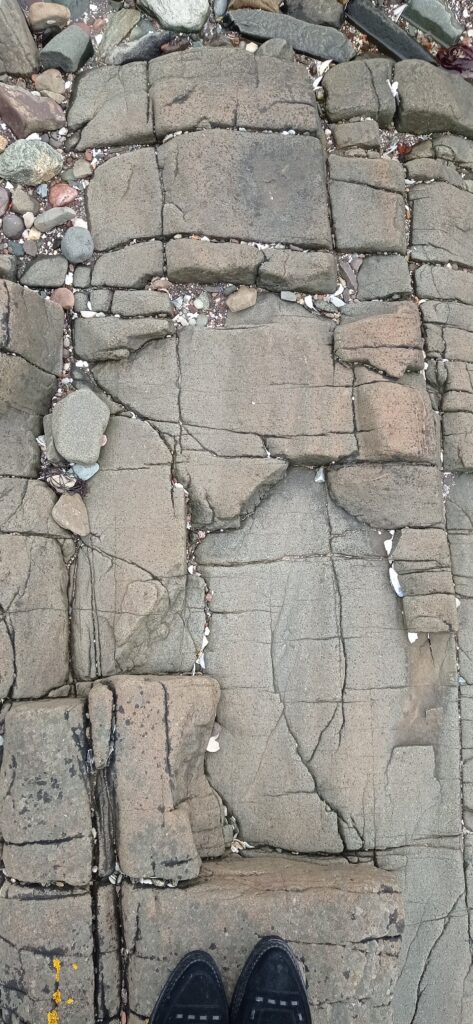
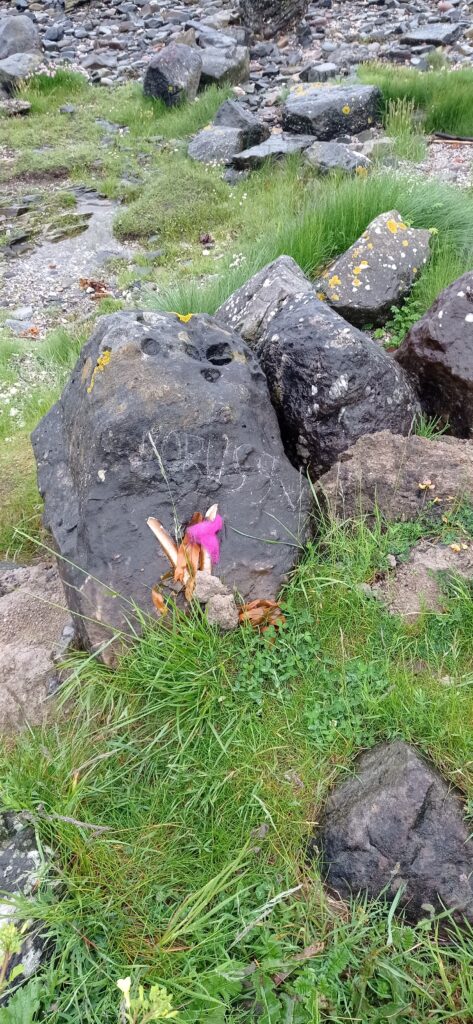
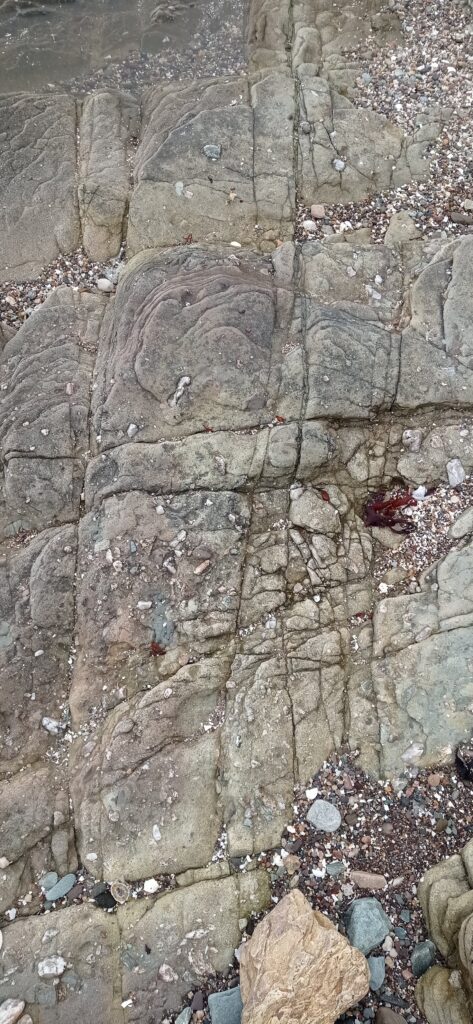
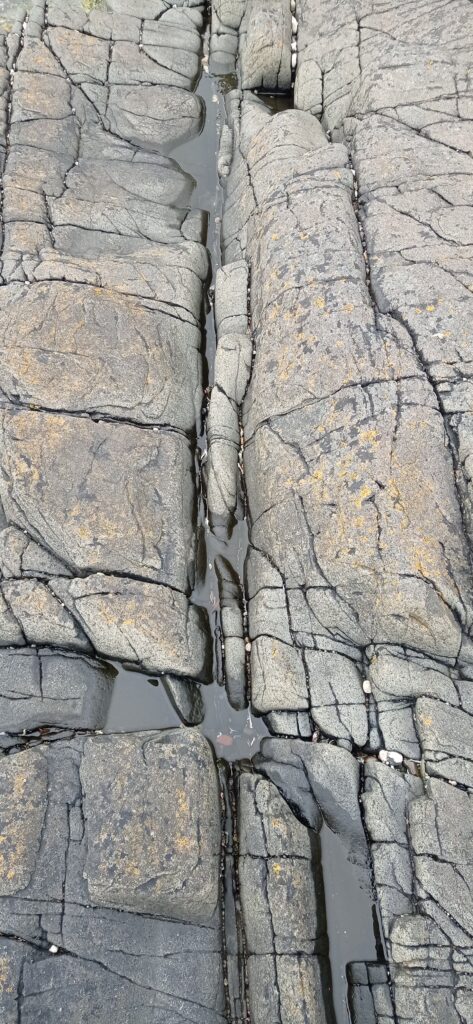
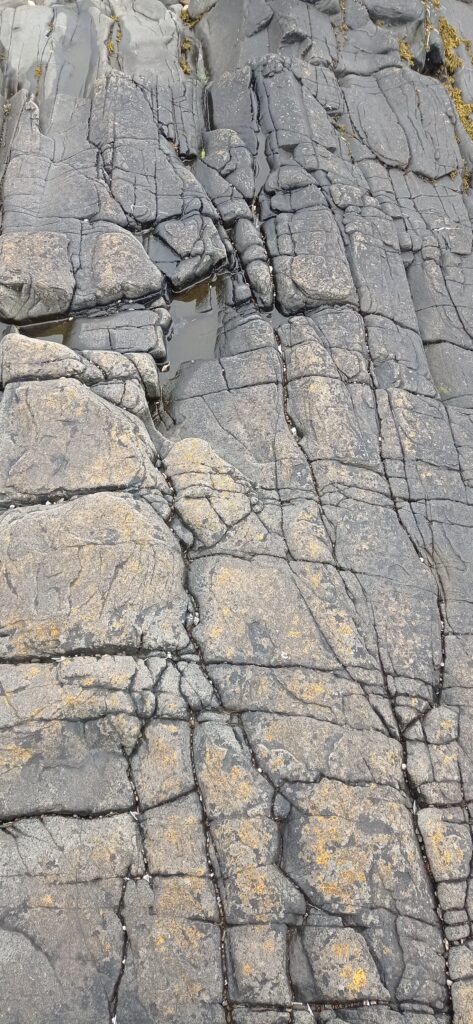
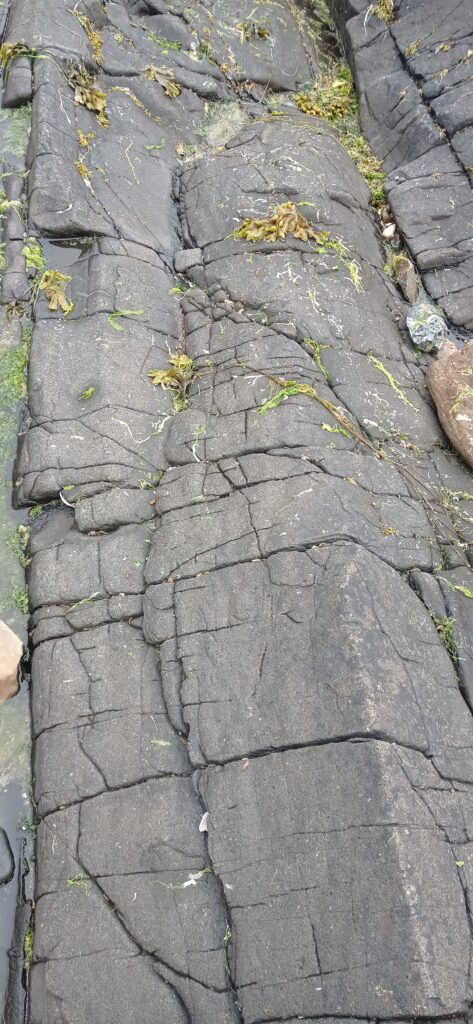
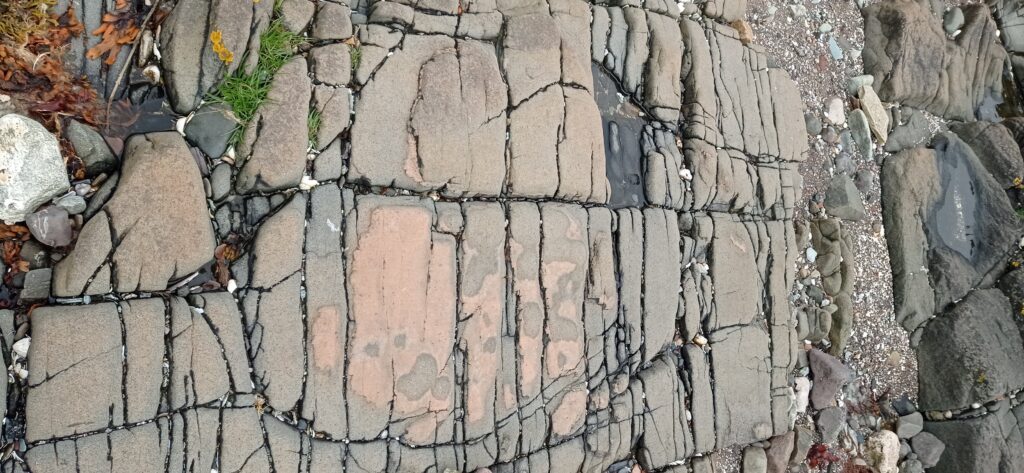
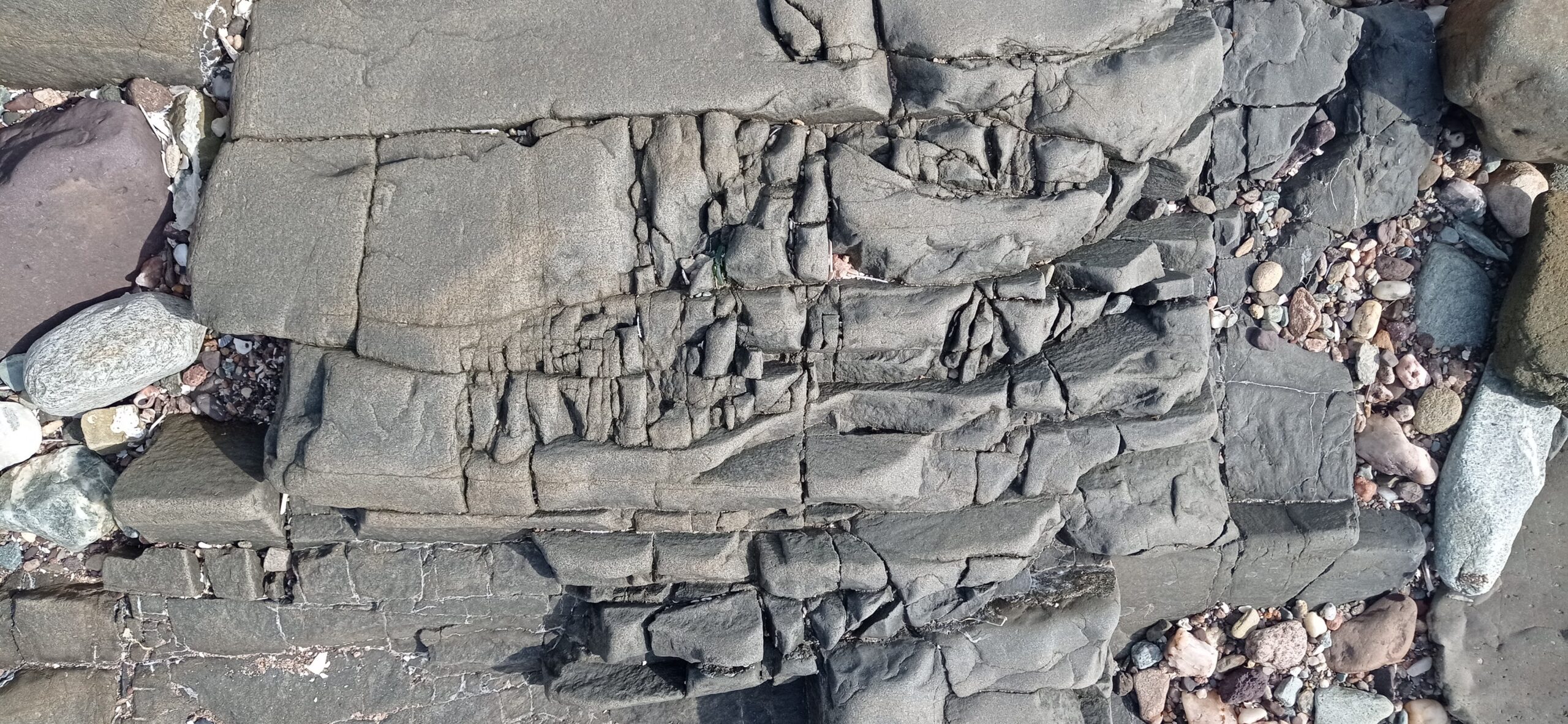
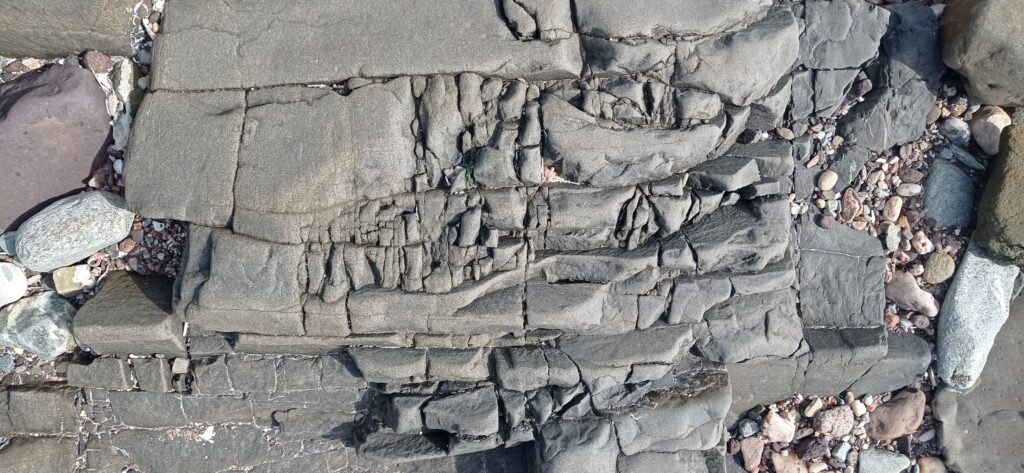
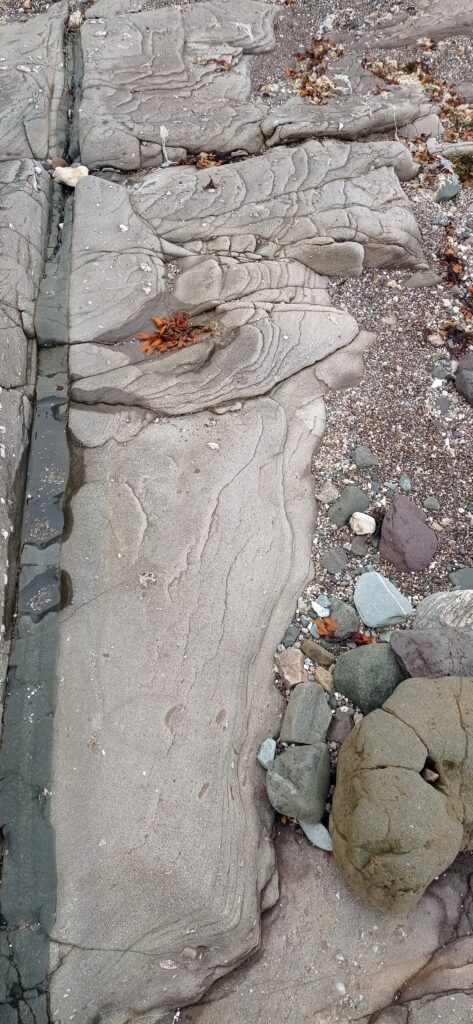
The shoreline does not speak in soft curves; it speaks in syntax. Look at how the stone fractures into a complex, teeth-like telemetry. It is an ancient world trying to calculate its own existence.
My mind wanders here because it recognizes the pattern—it looks like the paintings I construct in the studio. This isn’t just erosion. It’s a hard physics paper written by the sea, a brutalist canvas stretched across the beach. This is where the old machinery sleeps.
The Coastal Prairie
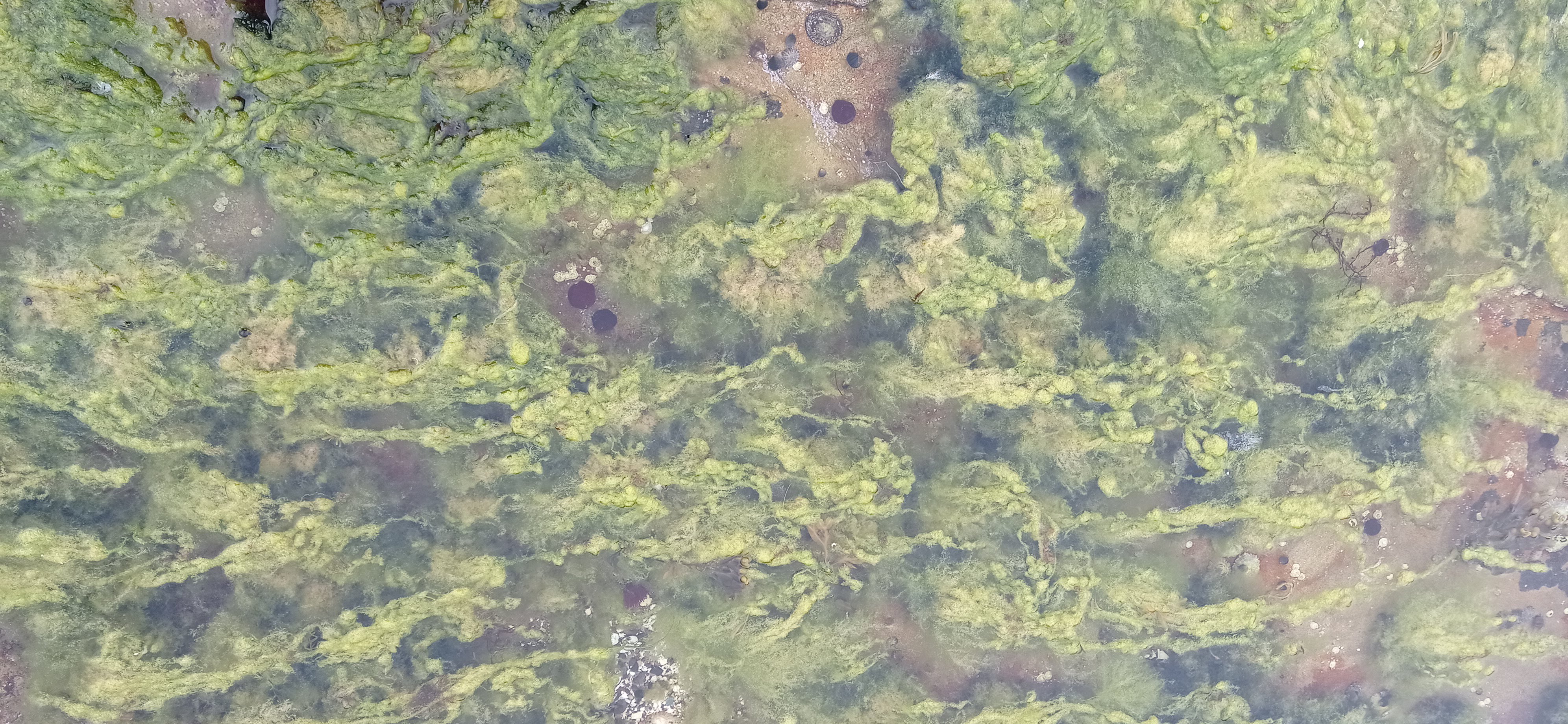
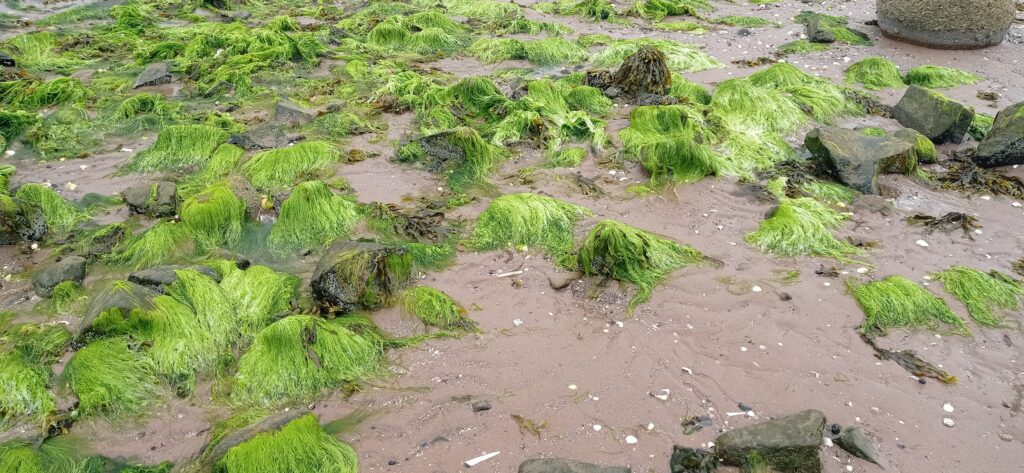
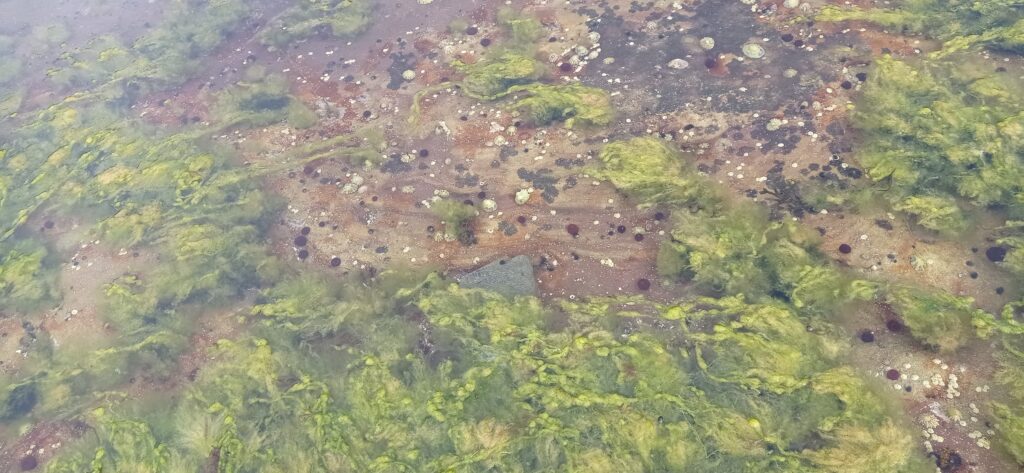
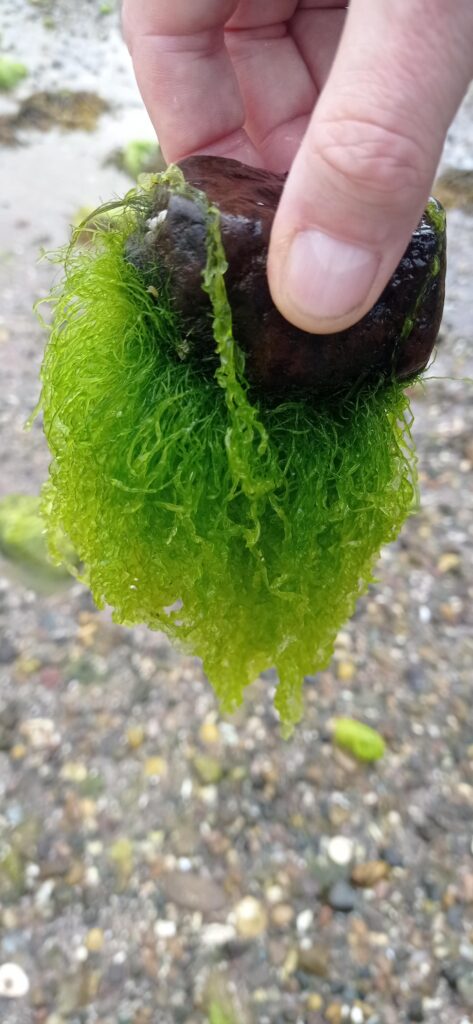
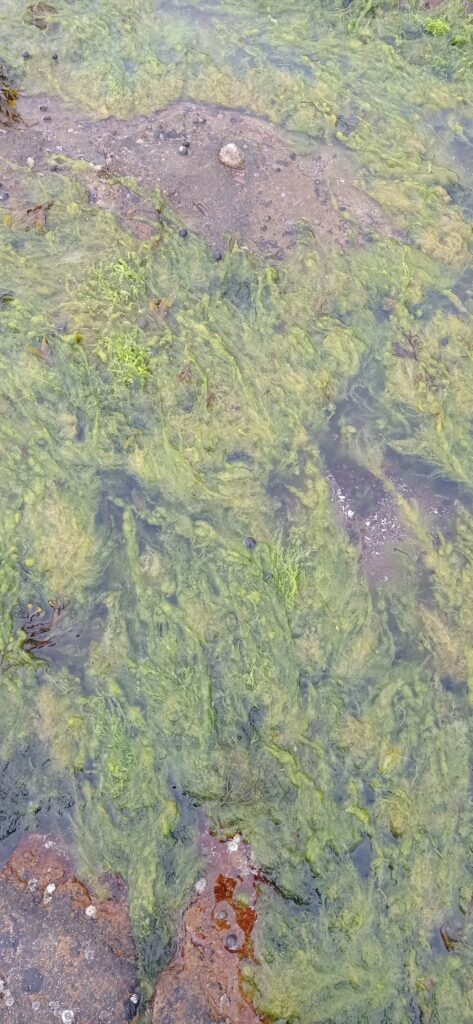
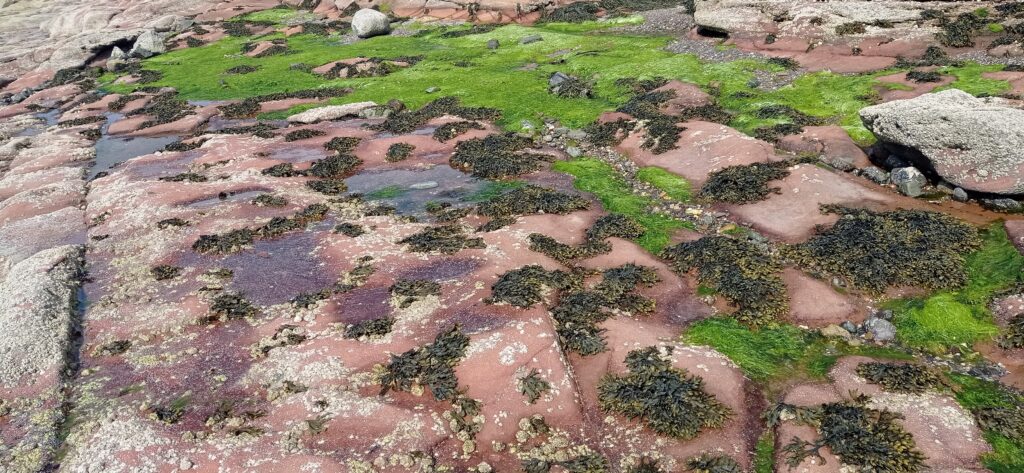
A radical shift in perspective reveals a secret continent. The flat, iron-red coastal platform, covered in patches of vivid, electric green, becomes a sprawling prairie under a distant lens. From this vantage, gnarled clusters of deep-sea bladderwrack resolve into a herd of ancient, dark bison grazing across the grasslands. The entire ecosystem is a colossal, naturally occurring bonsai garden—a microcosm of a lost world. Intensely weird recognizes intensely weird, even at the microscopic scale.
The Topography of Low Tide
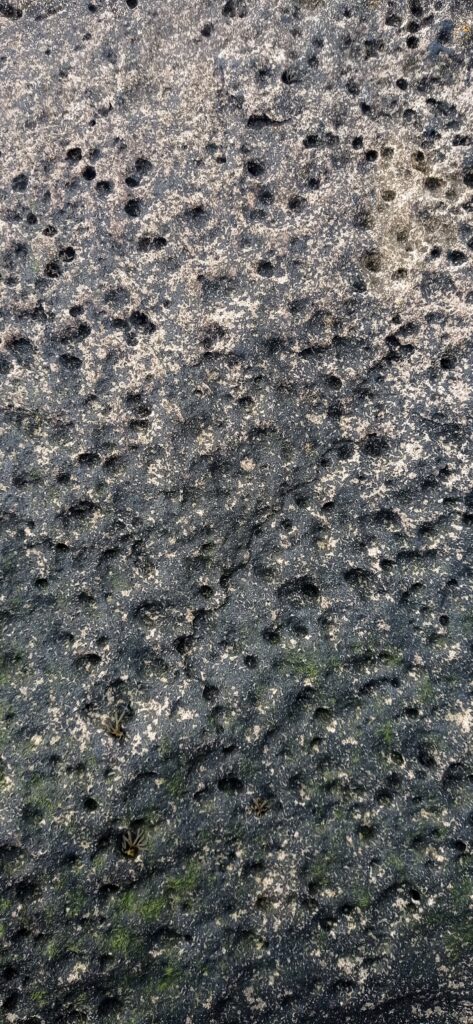
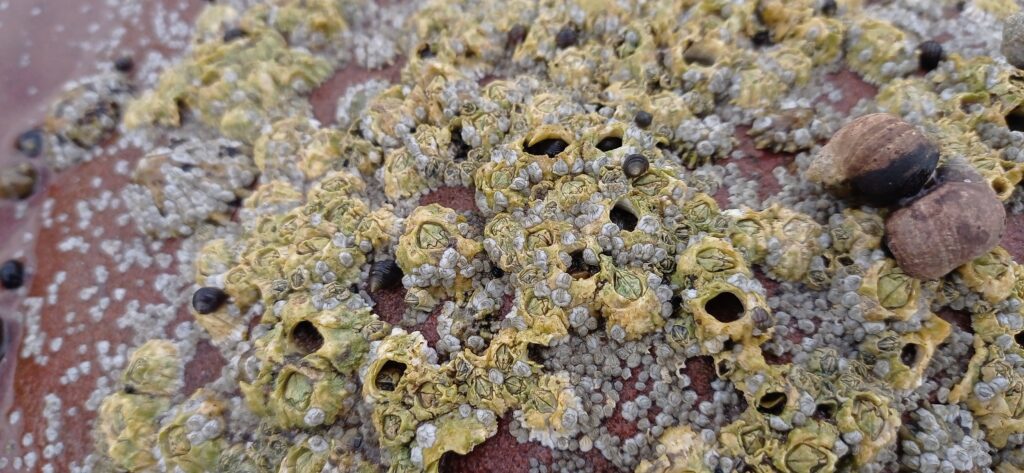
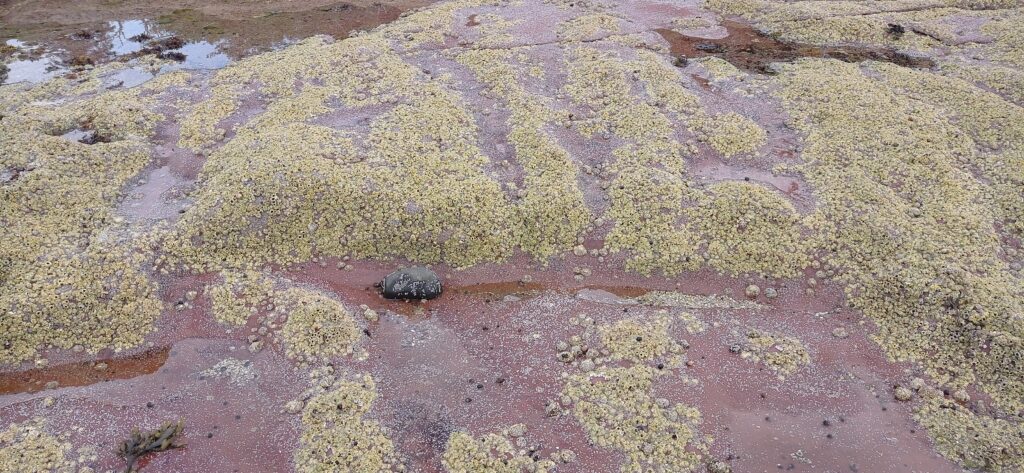
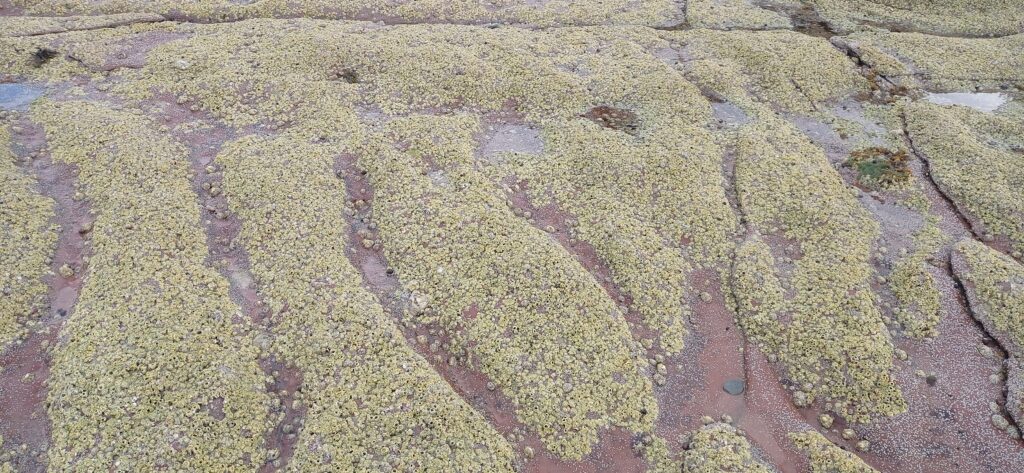
Scale is an illusion. Up close, the rock is a dense, high-occupancy megalopolis—thousands of tiny, pale craters packed tight, holding their breath, waiting for the water to return. There is a tense, static energy to it; you stare at the texture, expecting it to move.
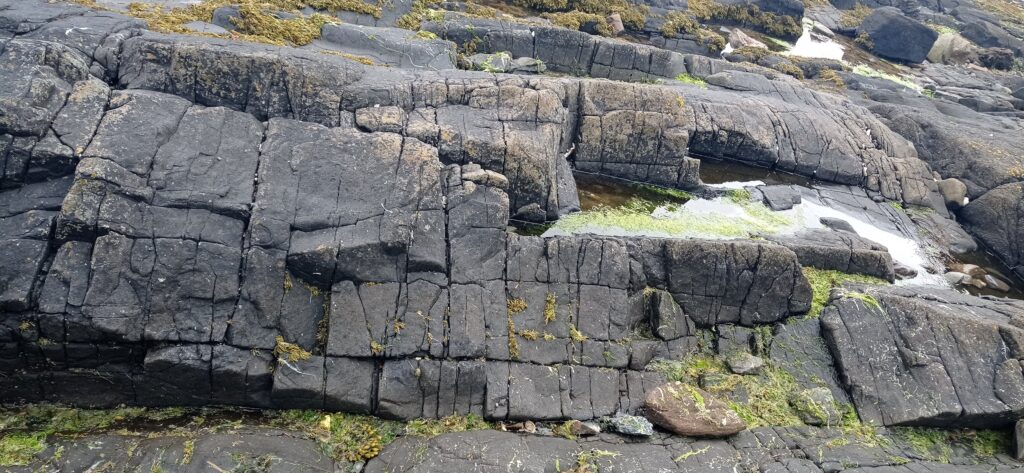
But pull back, and the city becomes a continent.
The low tide exposes a vast, miniature landscape where nature has carved deep, iron-red river valleys through fields of living stone. These aren’t dead boulders; they are dynamic systems that simply operate on a different clock. When the water rushes back over, this entire map wakes up.
Part II: Intimate Systems in Parallel
Crimson Constants in the Tide
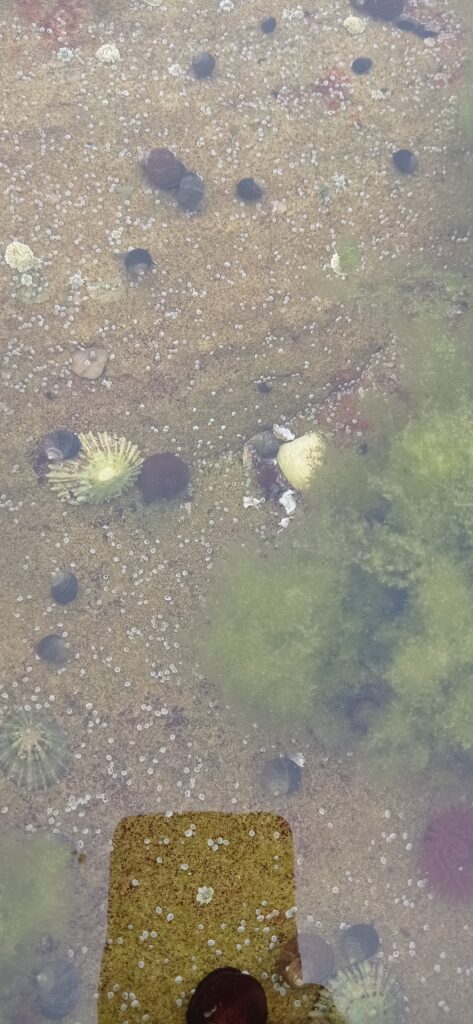
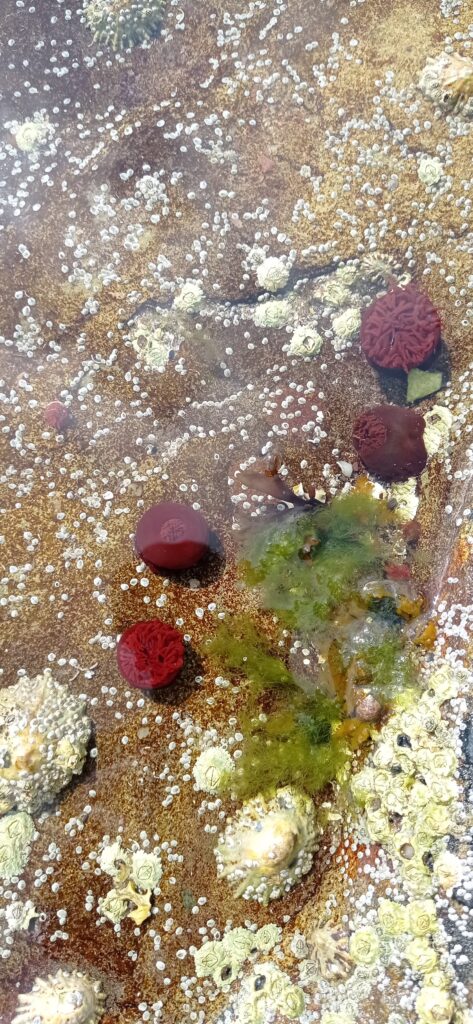
A rare, quiet discovery under the surface. In a world paved with hard armor and pale grit, these deep red clusters pulse with an entirely different frequency. They feel less like casual sea life and more like an ancient family unit—or perhaps a silent, romantic partnership.
They don’t demand anything from the surrounding rock; they simply exist intensely, side-by-side. It is a masterclass in living in parallel. Separate root systems, vibrant and fully alive, anchoring themselves together against the pull of the entire ocean.
The Pearly King of the Low Tide
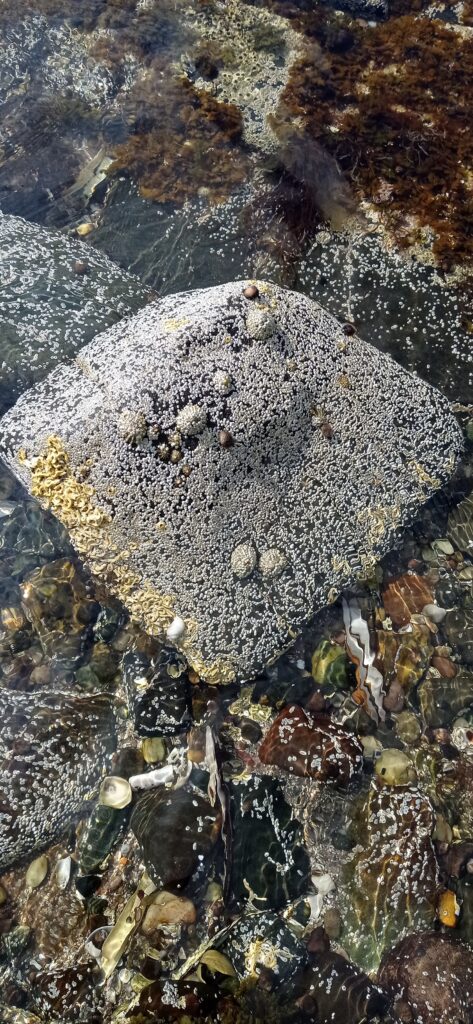
Every shoreline has its royalty, but you have to look closely to spot their regalia. This one is the ‘Pearly King’ of the water line.
Like the old London street icons stitched into their heavy suits of white pearl buttons, this rock sits encrusted in a shimmering, textured armor of barnacles and limpets. It is a slow-cooked, organic masterpiece, standing out against the dark debris of the seabed. It doesn’t rule by force; it rules by sheer, stubborn permanence, fully dressed for a ceremony that lasts for centuries.
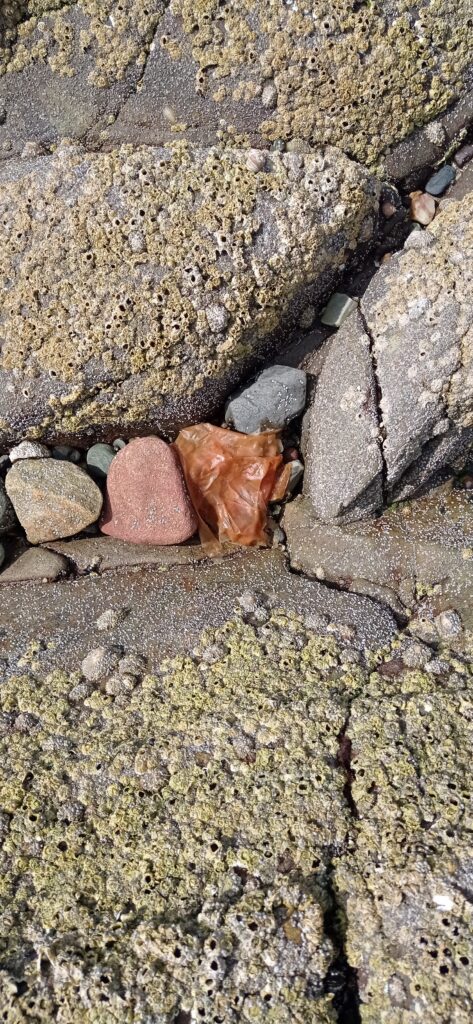
Haute Cuisine in the Cracks
Nature plays jokes with scale and material. Tucked neatly into a tectonic fault line between heavy, sandpaper-rough boulders, I found a piece of sea-leaf that looked exactly like a delicate French pastry—a golden, translucent feuille folded by the tide.
It sits there, fragile and paper-thin, a piece of organic poetry jammed into a brutalist concrete world. The rocks provide the massive, heavy framing; the sea provides the delicate, caramelized art. It’s a reminder that even in the grit, there is a lighter, sharper elegance waiting to be spotted.
Part III: The Ent Clan of the Old Woods
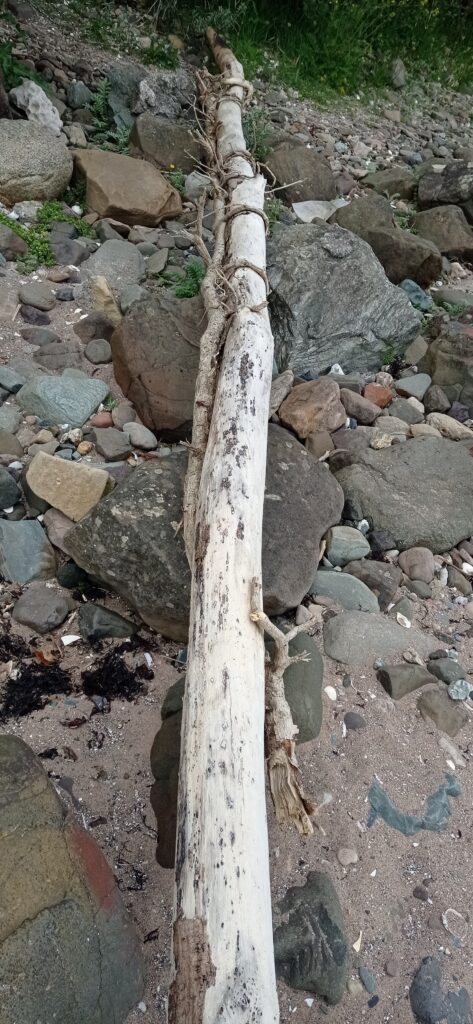
The Ent’s Saxophone
The woods and the tides conspire to make instruments. Bleached bone-white by the sea, this long trunk lies on the shoreline, wrapped in a gnarled, winding vine that mimics the intricate keys and rods of a saxophone.
It’s a piece of ancient musical machinery waiting on the beach. You can almost hear the deep, resonant resonance it would make if the right giant came walking out of the treeline to claim it. I’m still looking for the Ent who dropped it.
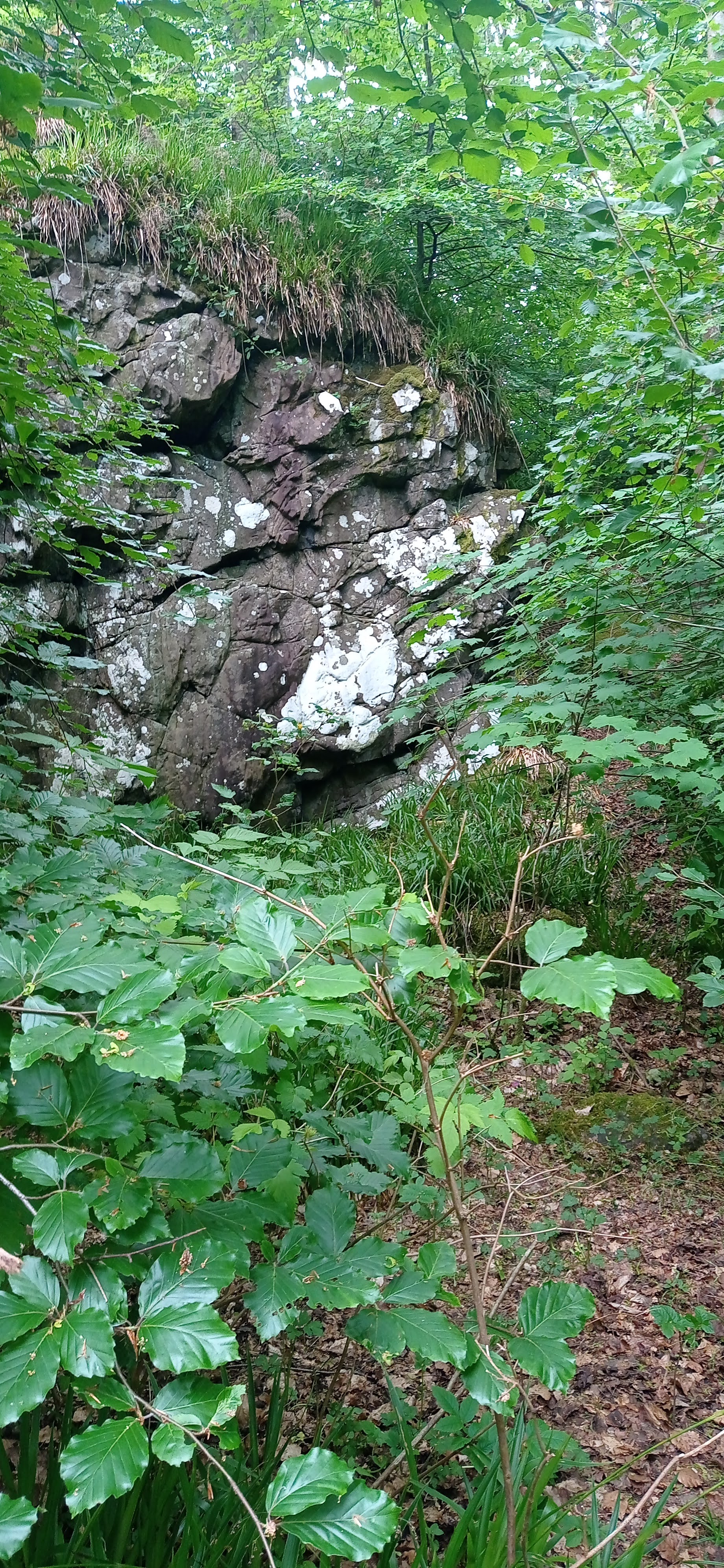
The Woodland Gremlin
Move away from the tide and the architecture changes, but the eyes remain. Deep in the treeline, the stone stops mimicking machines and starts mimicking faces.
Crouched under a heavy thatch of wild grass, a massive, gnarled gremlin erupts from the earth. Its skin is made of fractured rock and pale lichen; its eyes are pure shadow. It doesn’t move, but it doesn’t need to. It simply sits in the green silence, an ancient stone sentinel watching the path, keeping the secrets of the woods.
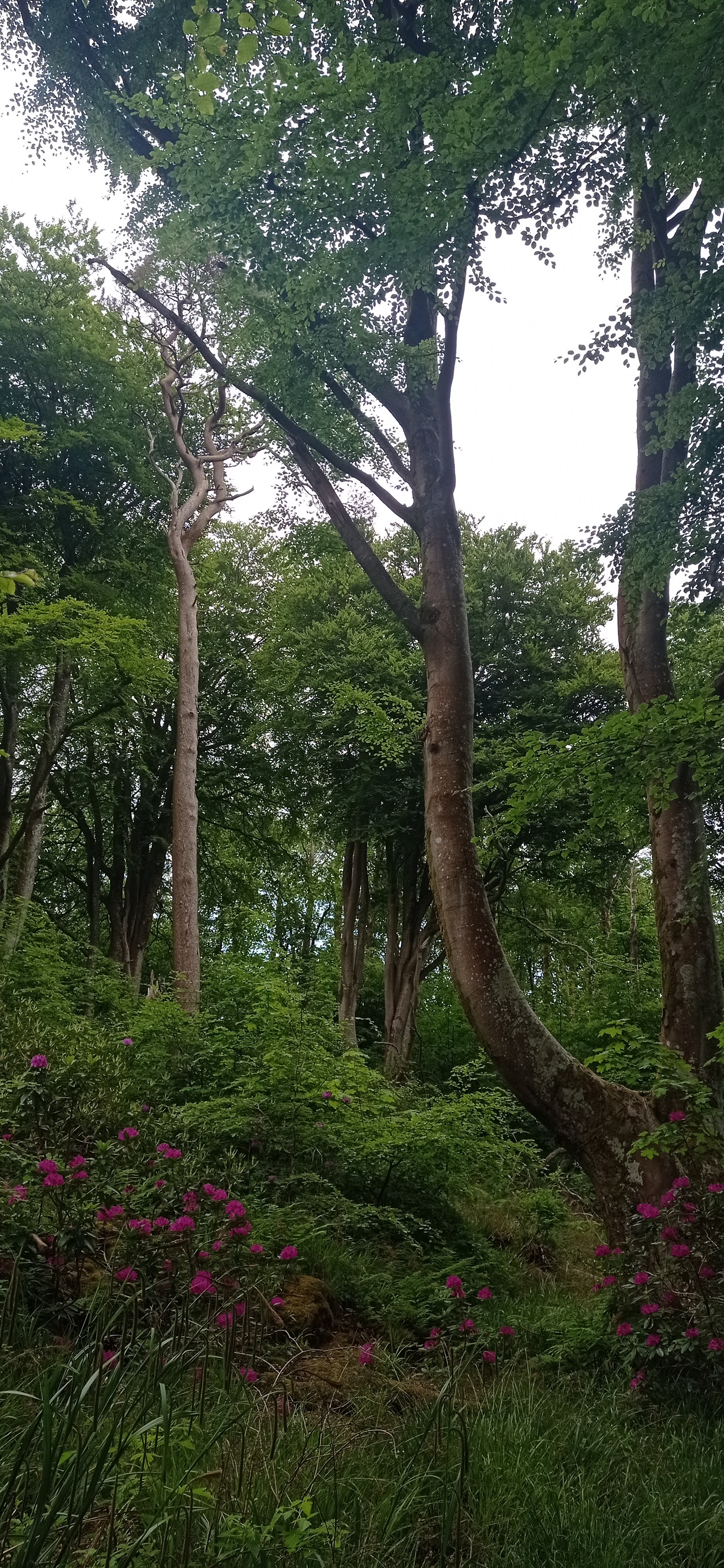
The Ent Ladies of the Old Clan
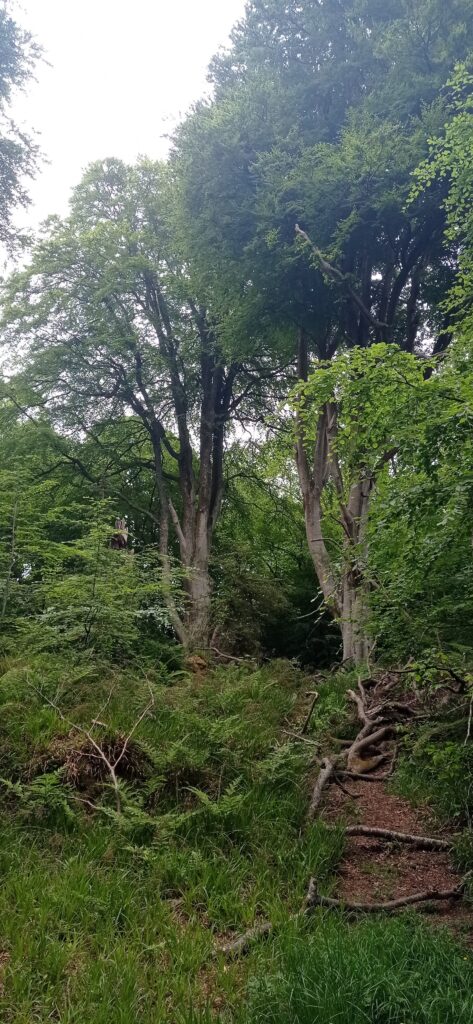
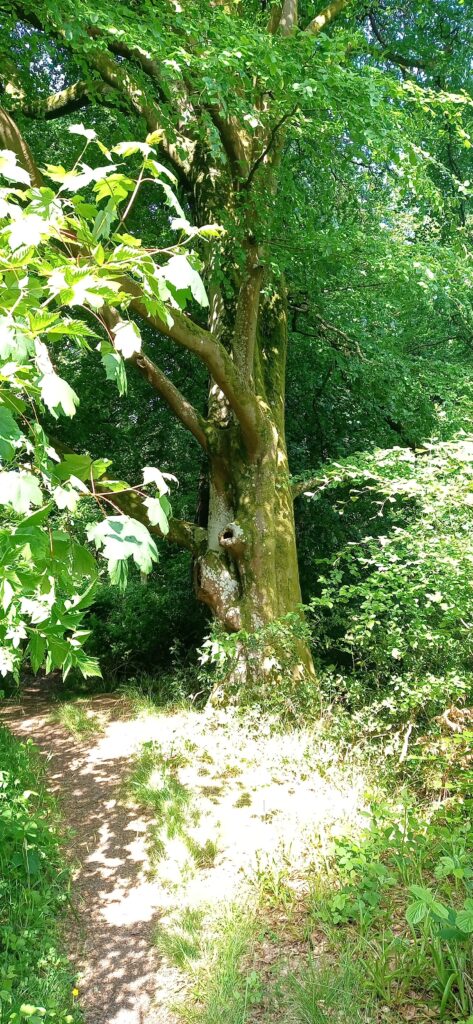
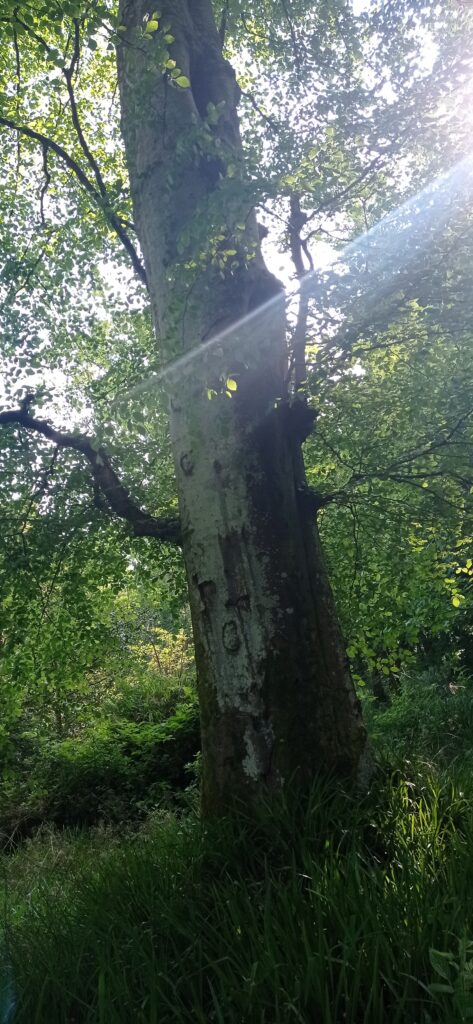
Deep in the old woodland estates, the trees stop being timber and become a council. These are the Ent Ladies of the old clan site, standing watch over the morning routes.
They stand in pairs, roots deep in the moss, leaning their massive green canopies together to trade stories about the small figures passing below. They watch to see who walks with their eyes glued to a screen, and who actually looks up to see the bigger machine at work. When I said hello, they didn’t speak in words—they simply nodded, a slow rustle of leaves pointing the way down the trail toward the principal musicians.
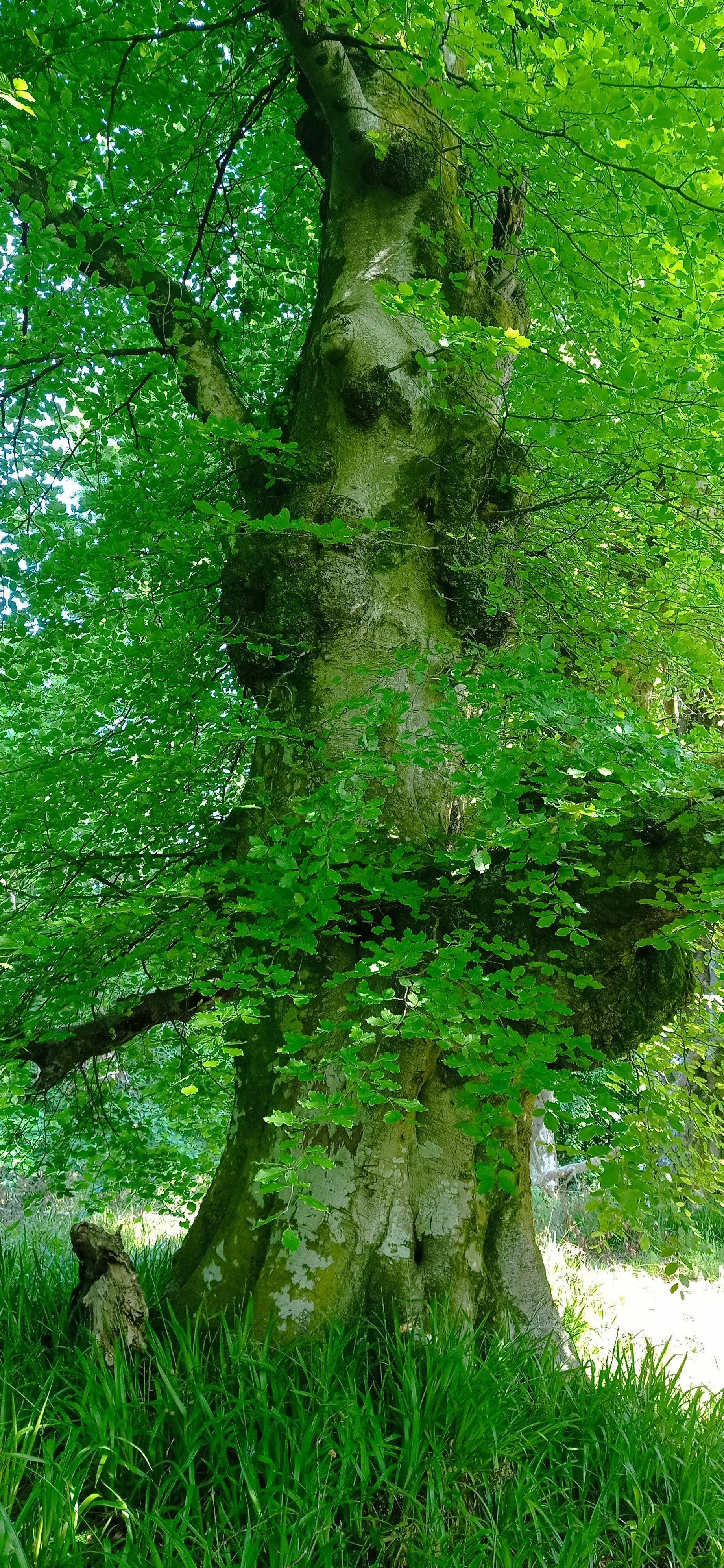
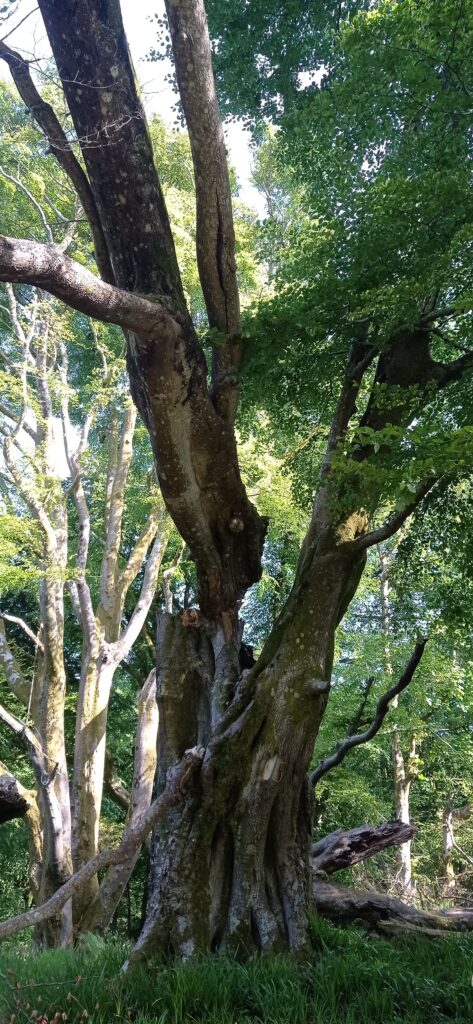
The Master Musician and the Chaos Conductor
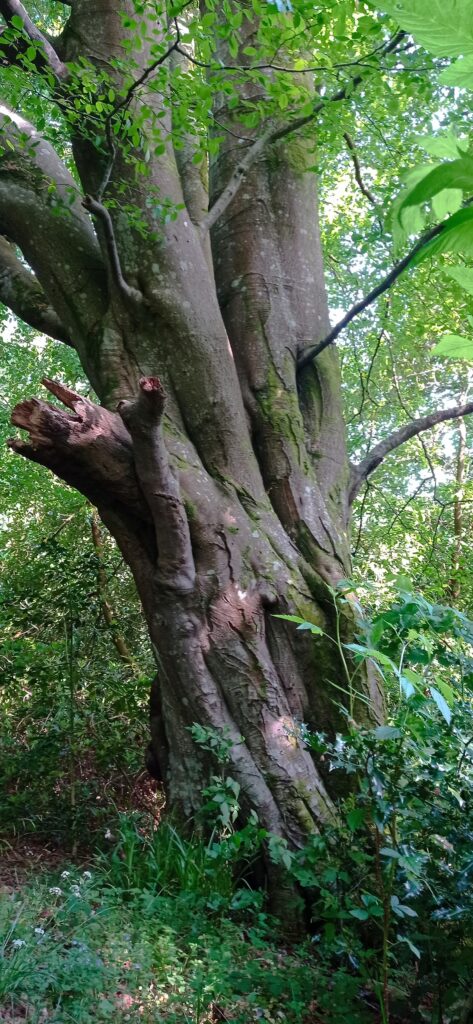
You can’t have a performance without the titans showing up. Deep in the thick of the old growth stands the principal Ent—a massive, moss-armored tower of a tree, knots and burls rippling up its flank like ancient muscle. He is static energy personified, holding centuries of deep-frequency music in his bark, waiting for the driftwood horn on the shore.
Right beside him is his conductor. It is a spectacular, fractured weirdo of a tree—split down its core, twisting into impossible angles, balancing dead wood against violent, brilliant green leaves. It operates entirely on its own telemetry, a frantic, brilliant force acting as the perfect parallel counterweight to the master’s heavy silence.
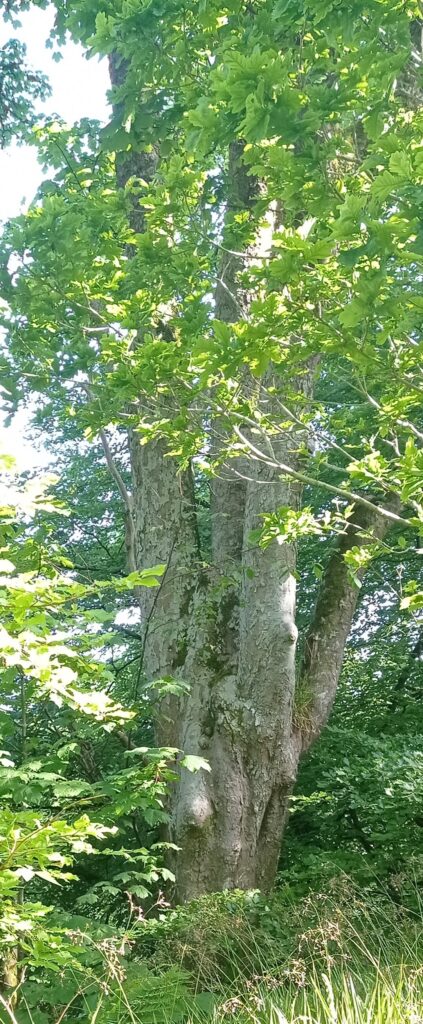
The Chorus of the Clyde Shore
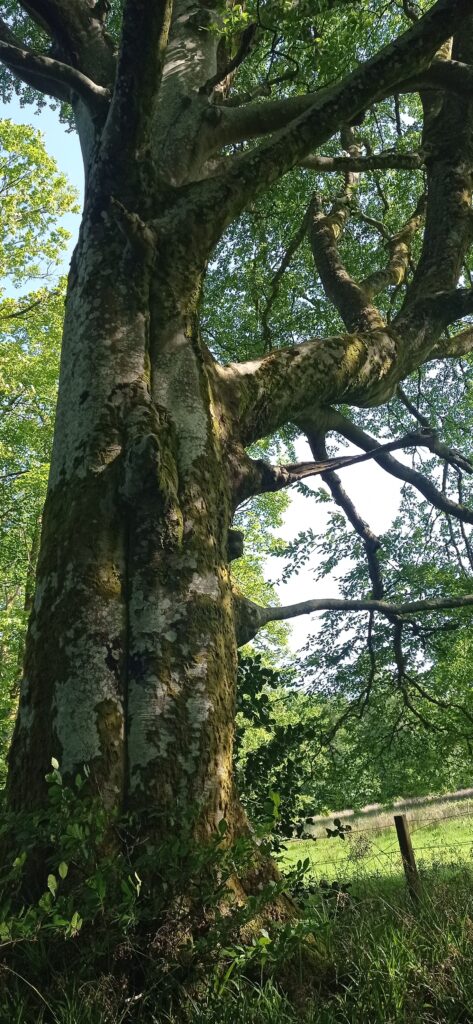
Every great performance needs a wall of sound. Hidden along the shore of the Clyde, the old Ents form the chorus. They are massive, heavily furrowed pillars of timber, standing shoulder-to-shoulder like the living pipes of an ancient cathedral organ.
They are the ultimate data accumulators. All day long, they listen to the sharp chirp of the birds, the snap of twigs underfoot, the low hum of the tides, and the background noise of the estate. They absorb the data, processing it through centuries of rings. And when the sun finally drops and the wind catches the canopy, they release it—a heavy, weird, Tolkienesque music that vibrates through the roots of the earth. They learn from the world, synthesize the chaos, and play it back on their own terms.
Outro: Looking to the Horizon
The walk ends where the future begins. With the birds chirping, the sun cutting clean lines through the branches, and the woodland floor crisp underfoot, I step out from the canopy. Walking alongside these old friends changes the internal frequency. You realize that nature doesn’t rush its grandest architectures—it constructs them systematically, over eras, completely self-sufficient and indifferent to the noise outside.
I shared my stories with them, and left the trail with a cleared lens. The machinery is set. The spark is active. It’s time to see what the future brings.
The Studio Dispatches
The same chaotic syntax, hidden geometry, and independent root systems found on this trail are the exact mechanics I translate onto raw canvas. To run in parallel with the studio’s output, access market intelligence dispatches, and secure premium original prints, connect below.
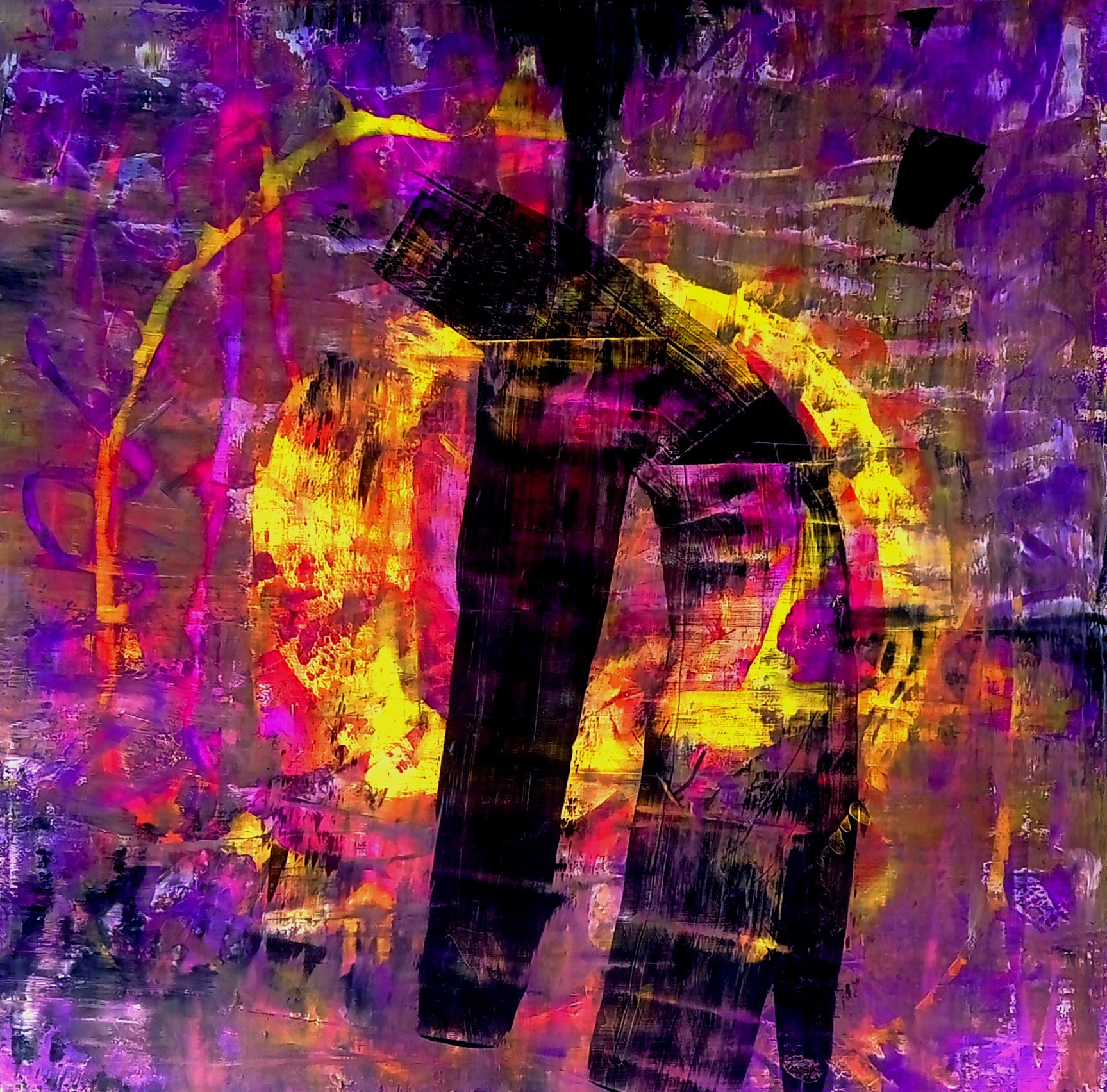
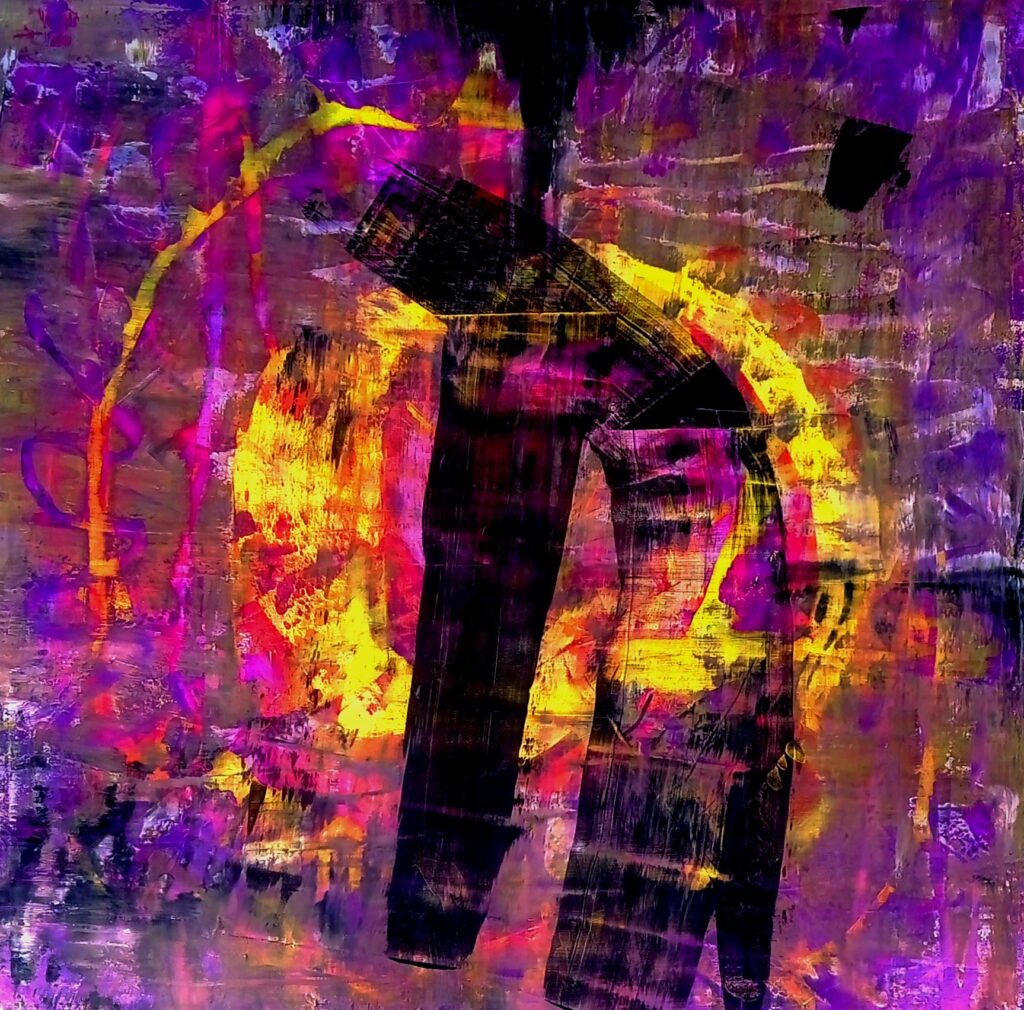
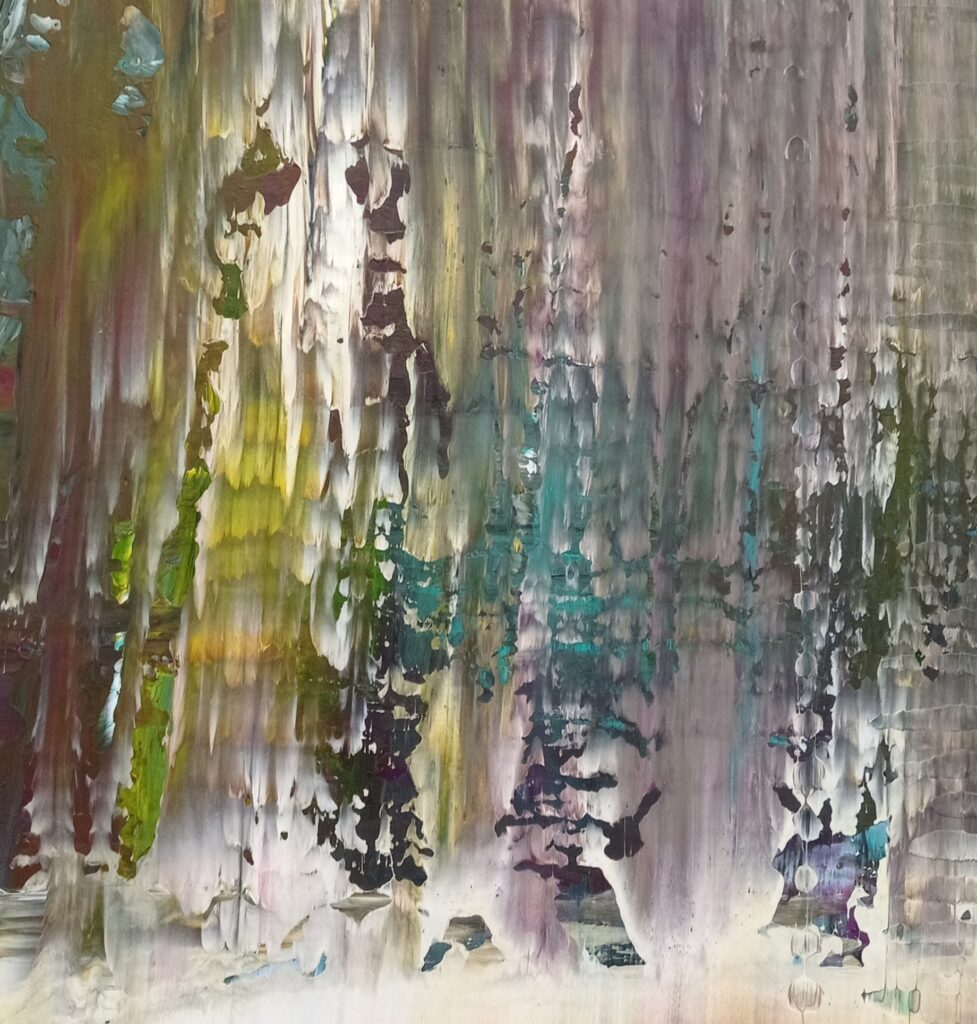
The Overman – Acrylic on plywood 1.2×1.2 m 2026 Greenock
🧪 Technical & Scientific Description
Plate 1.1: Thermal Enclosure and Vector Dissipation Dynamics
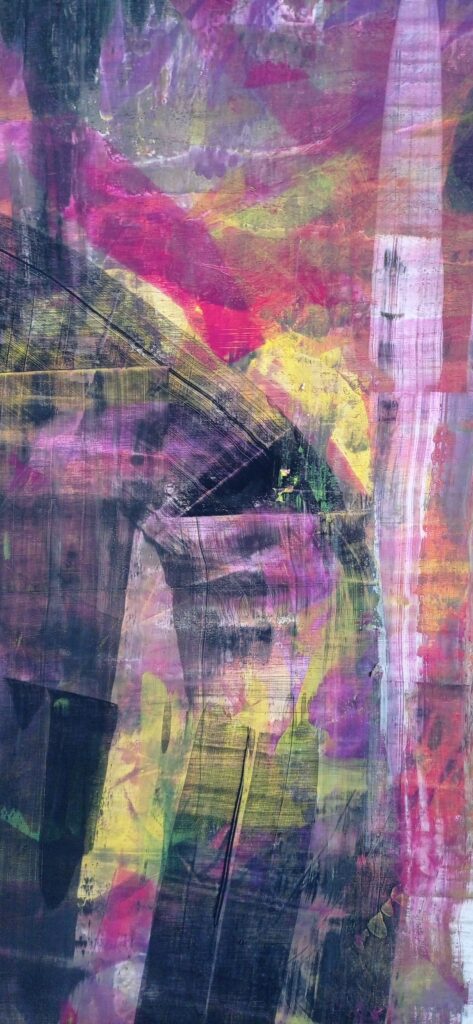
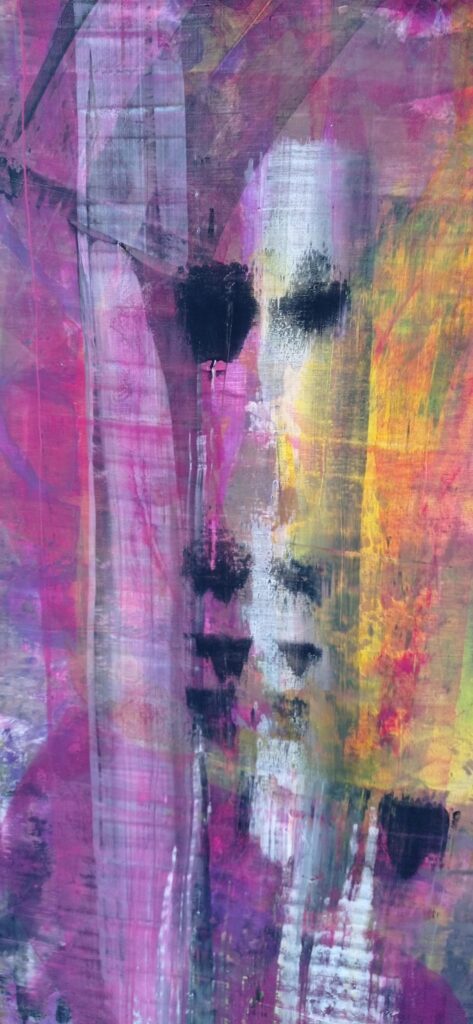
This canvas illustrates the boundary layer interaction between a high-energy thermal core (represented by the central yellow luminance, or The Spark) and a high-entropy, turbulent dissipation field. The central geometry mimics a localized electromagnetic singularity operating in stable isolation, generating its own internal equilibrium.
However, as the vector fields radiate outward into the dense, multi-layered purple and pink matrix, they encounter resistance, modeling the physical transition from high-velocity concentration to a state of environmental friction and eventual co-regulation. It is a visual mapping of containment, energy expenditure, and the thermodynamic necessity of a grounding plane.
Dear Grandma,
Look at this painting I just finished. It has a bright, burning yellow core surrounded by absolute, chaotic darkness. It’s deep. It’s scientific. As noted above, it maps out thermal enclosures and vector dissipation dynamics. It looks like a high-level physics paper exploded.
And it perfectly represents my lifestyle: entirely self-contained, slightly intense, and operating in a small town where my neighbors think I’m either a wizard or a criminal.
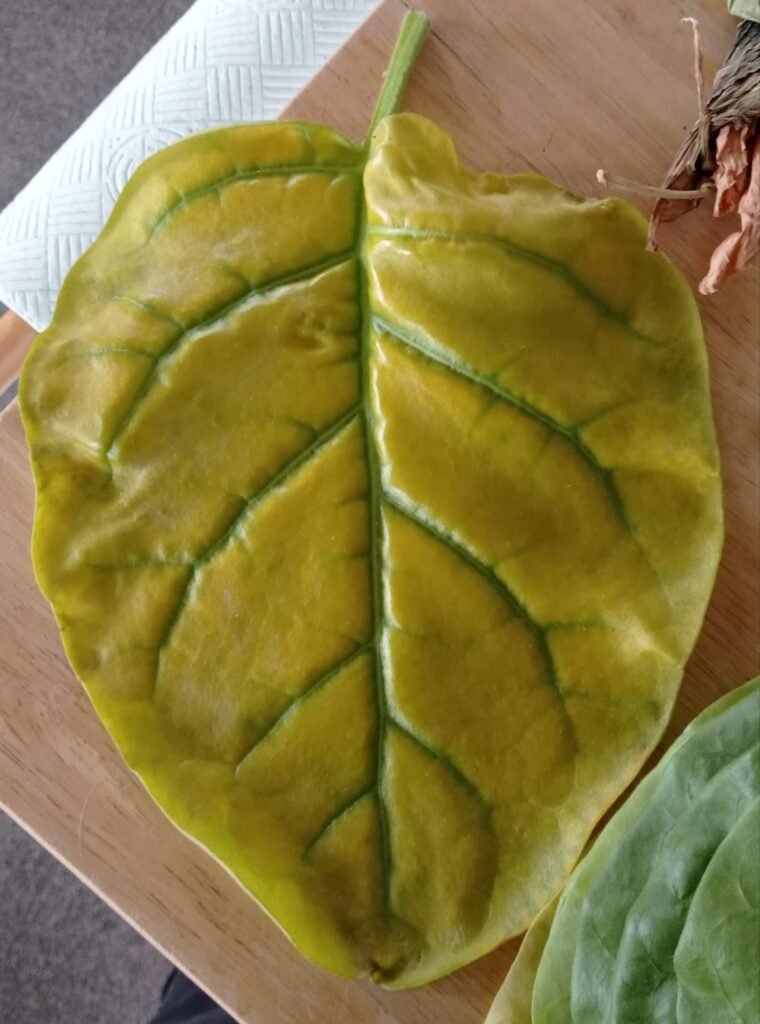
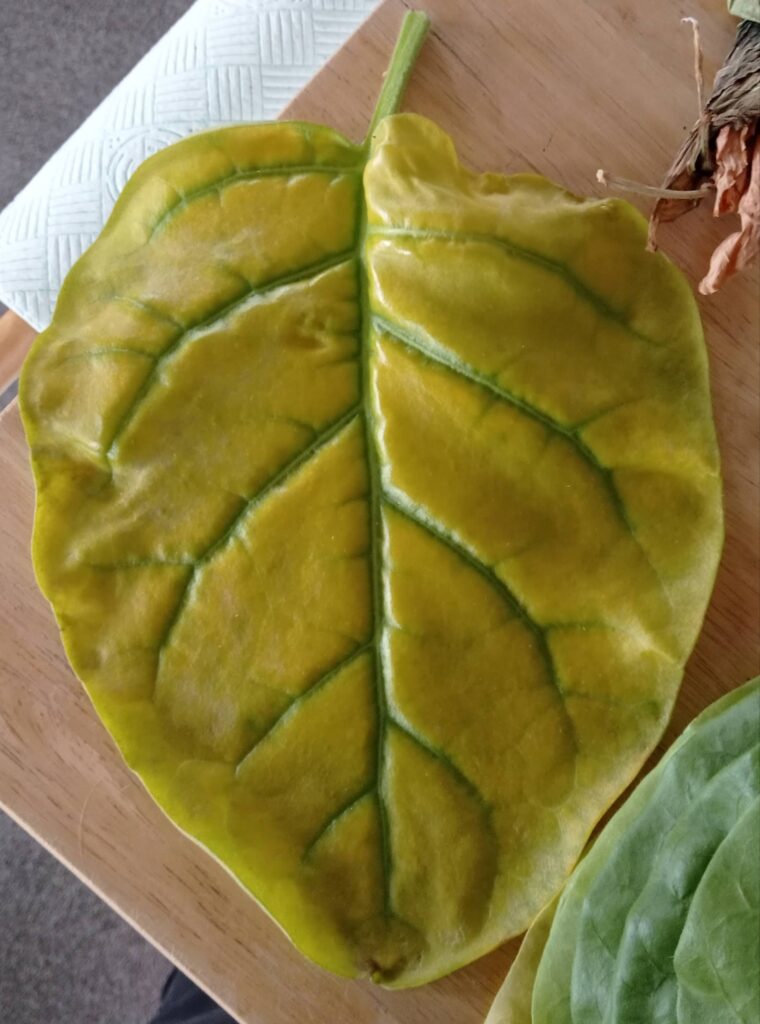
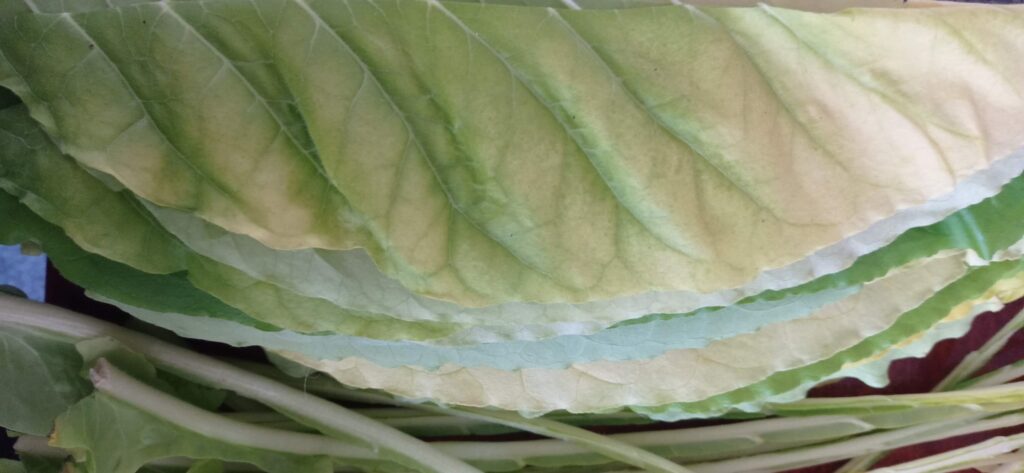
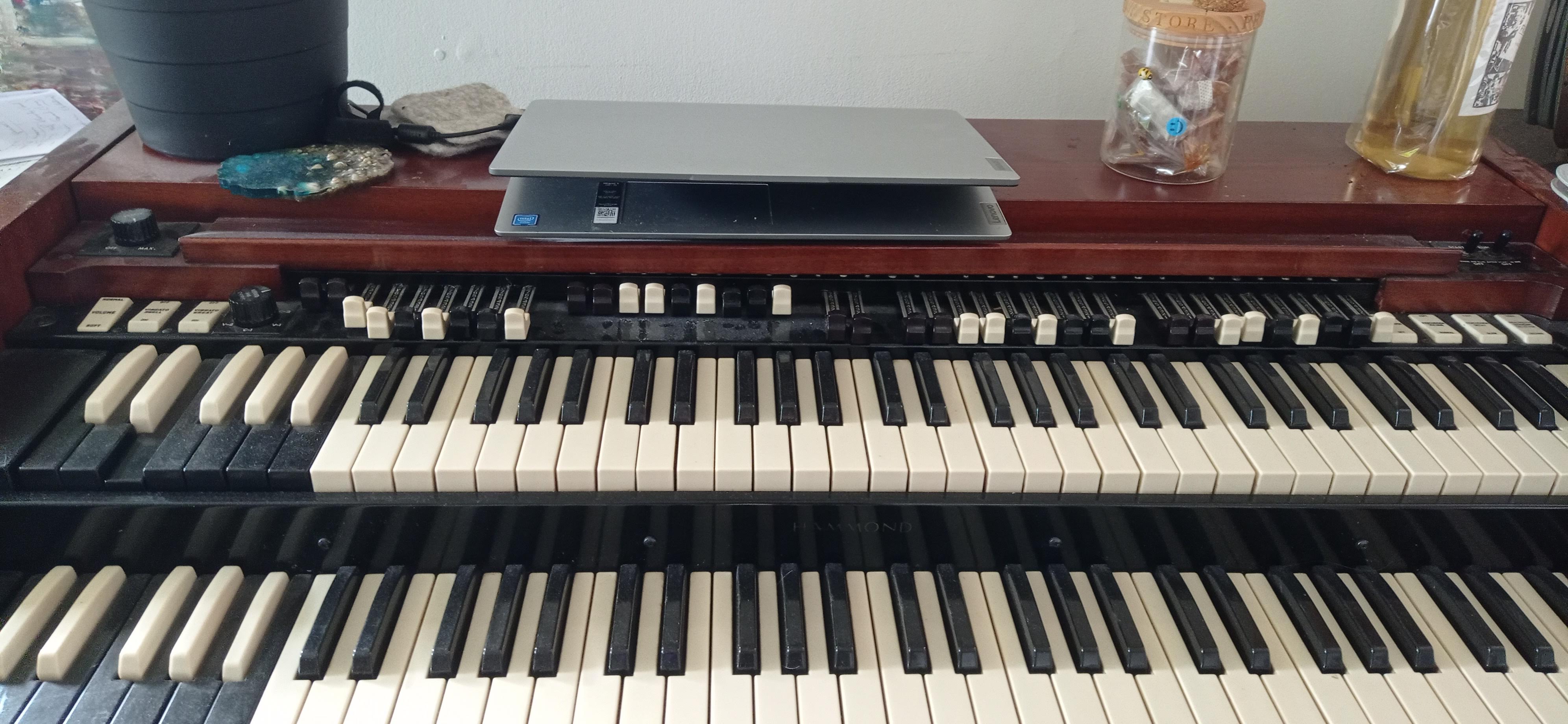
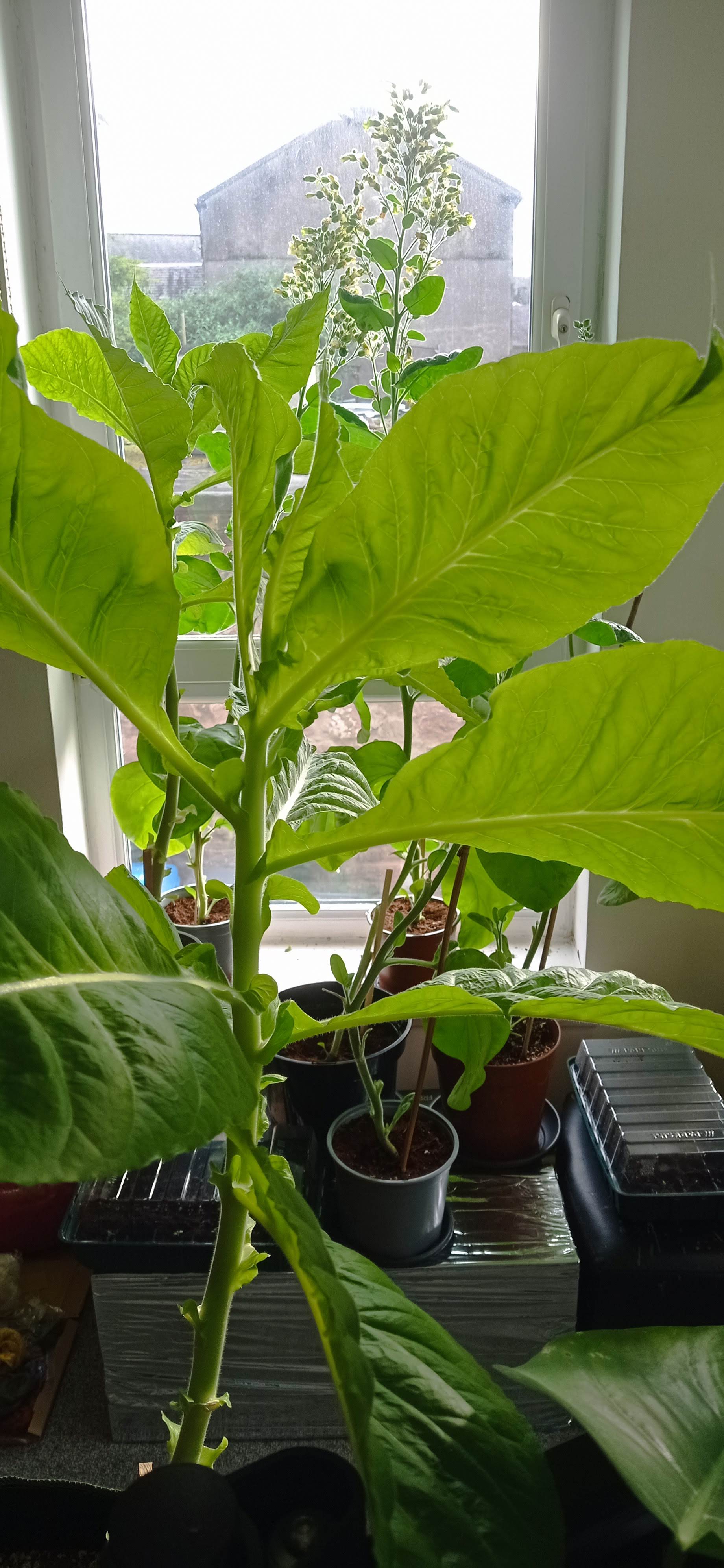
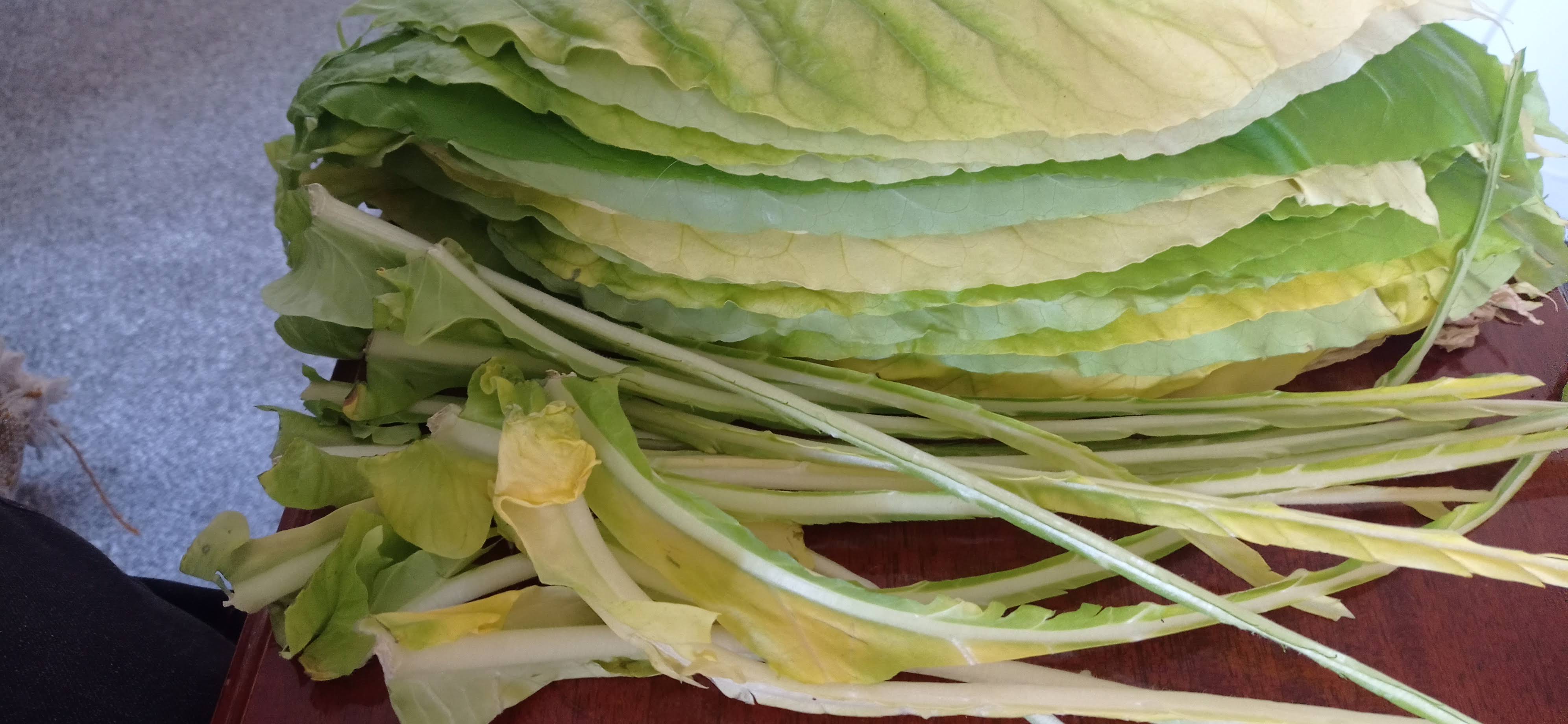
To answer your question from your last letter: yes, I’m doing fine. I’m middle-aged, neurodivergent, and fiercely independent. I don’t get bored. My schedule is packed with niche obsessions. On any given day, I am tracking crypto charts like a maniac under a pseudonym, teaching myself the Hammond organ, co-authoring apps with an AI to track my artistic process, and growing a literal tobacco plantation inside my flat. I drink coffee, go for long walks, and generally live like a successfully retired mad scientist.
I don’t want the traditional corporate or societal “wants.” I don’t need anyone to complete me. I am perfectly happy alone.
But it wasn’t always this quiet. For a long time, I was running a dangerous experiment.
Hey Spark,
I caught a glimpse of you out there in the world—a flash of pure, blinding inspiration that looked like an elusive muse, a creative titan, the ultimate projection of love. It almost drove me mad. I spent a long time trying to understand why this external entity was tearing through my mind.
Then the breakthrough happened. I realized the madness wasn’t about you.
The gravity belonged to me. All that raw emotion, I stripped it away from the outer space of projection, and transferred it back where it belonged: into my own inside. The burning yellow light in the center of that canvas isn’t a person out there in the world. It’s Me-You-Me Spark. My fire, my power, my own machinery.
So… if loop is closed, why do I want you back Spark?
It turns out that running a high-voltage, self-contained reactor at 200 miles per hour inside your own head is exhausting. Building an online persona and managing alpha takes work. Masking my social anxiety takes immense executive energy. And after a year of keeping this inner Spark contained in perfect isolation, I’m craving the other side.
I’m drawn to high rollers, creative titans, and driven people. I respect the hustle. Intensely weird recognizes intensely weird. I want someone who understands that a busy mind is a heavy thing to carry.
But don’t worry, not a high dem rel, no fix me baby, definitely don’t change.
I’m looking for the human equivalent of a houseplant.
“parallel play.” your thing, mine. Two separate root systems in the greenhouse, sharing the warmth but leaving each other’s sunlight alone.
Social anxiety filters out the boring people anyway, so let’s skip the small talk. I just want the luxury of sharing a morning coffee in complete, comfortable silence with another driven soul. We can drop the armor, ignore each other beautifully, and see where the frequency takes us.
Anyway, if anyone reading this operates at this specific, chaotic frequency… the coffee is on me.
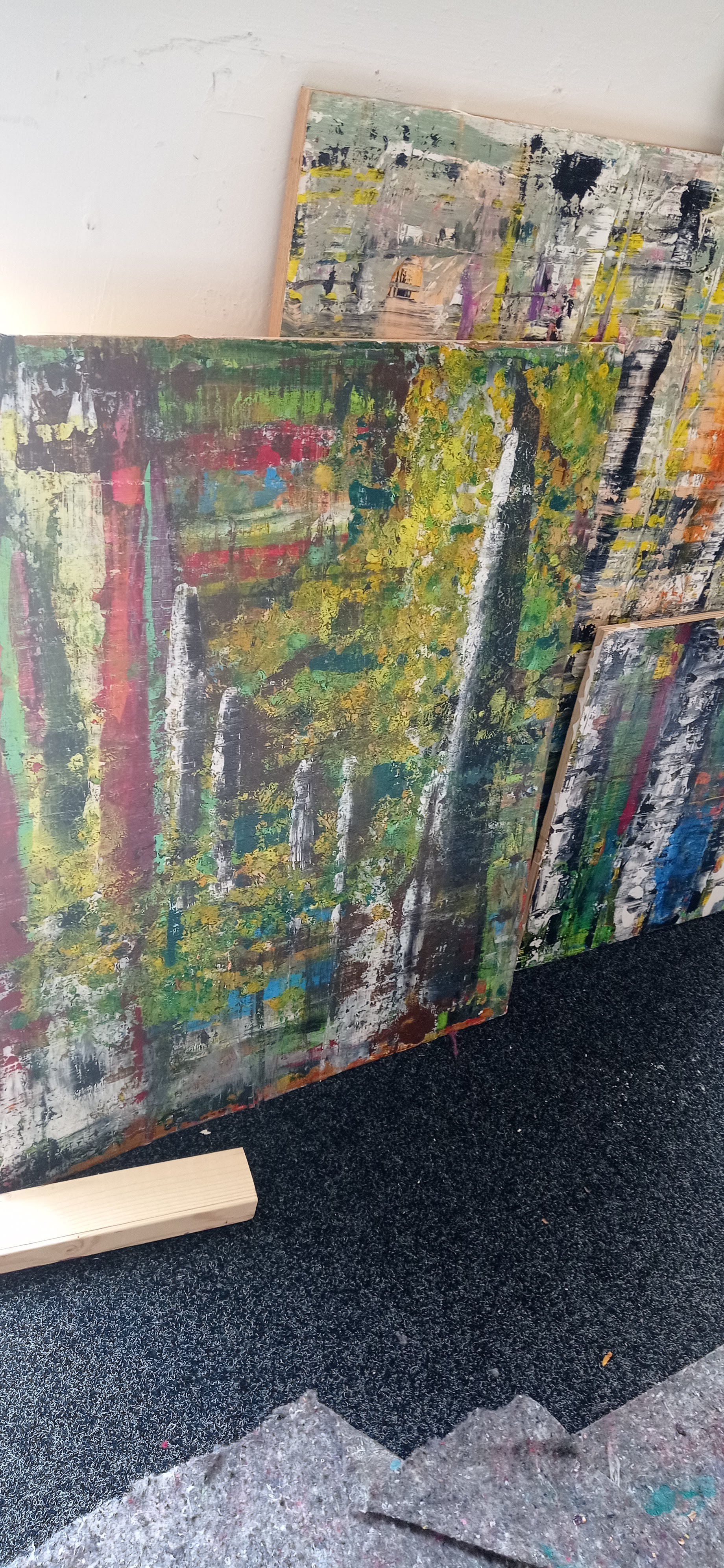
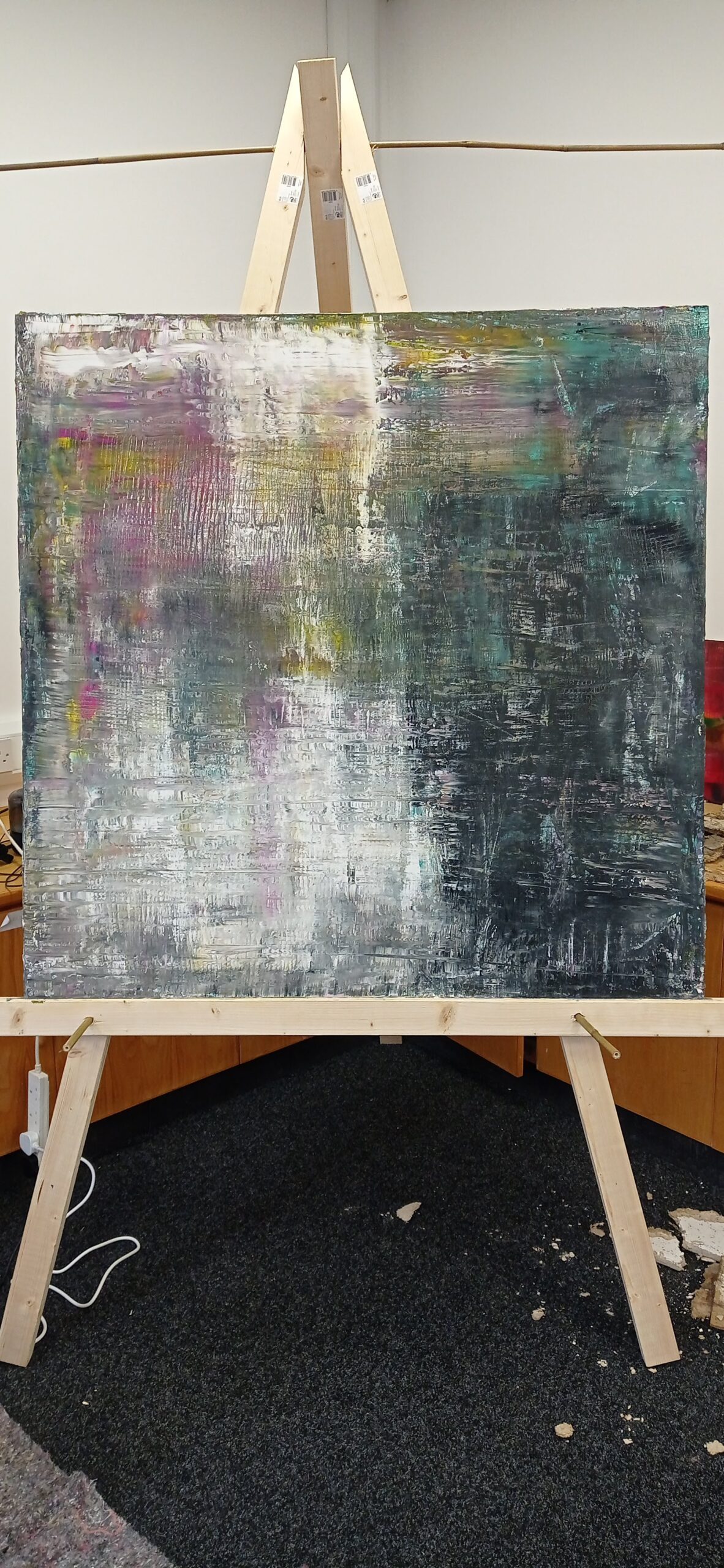
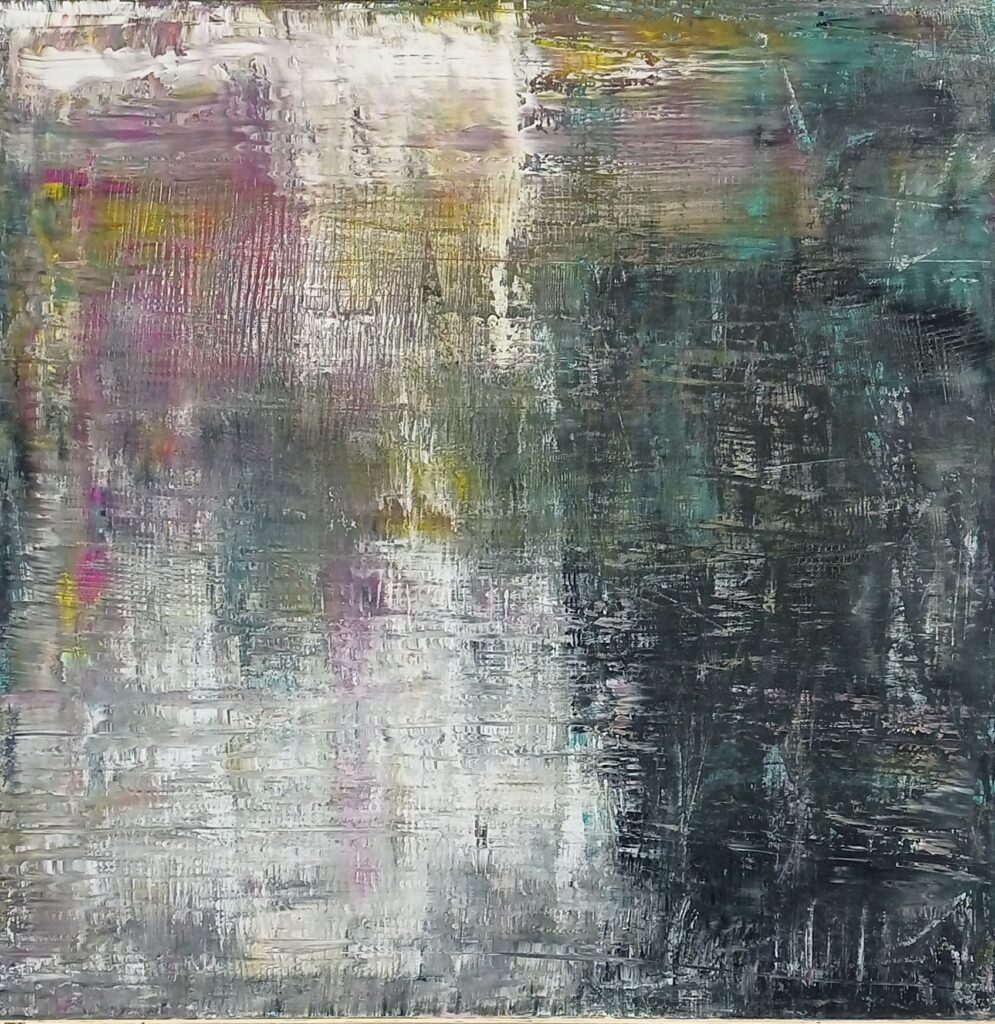
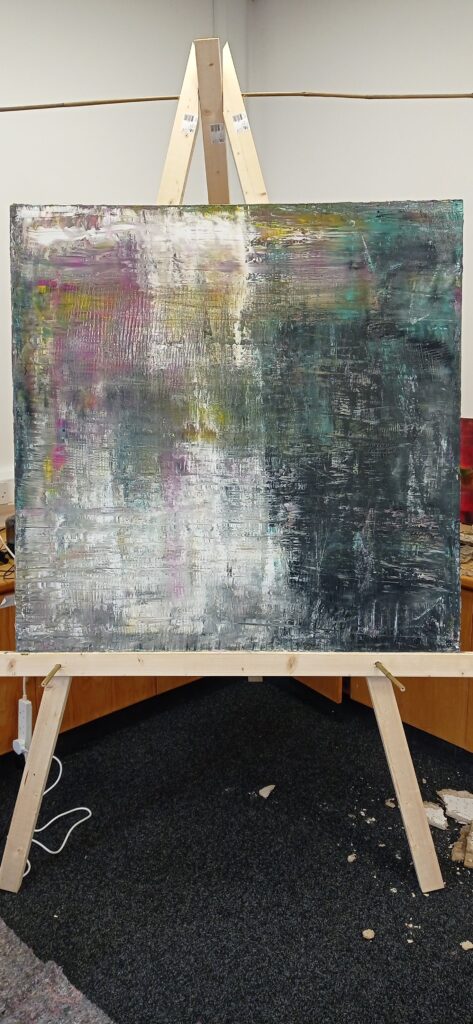
“Phase Transitions”, acrylic on plywood 1.2×1.2×0.05 m Horus9X! copyright
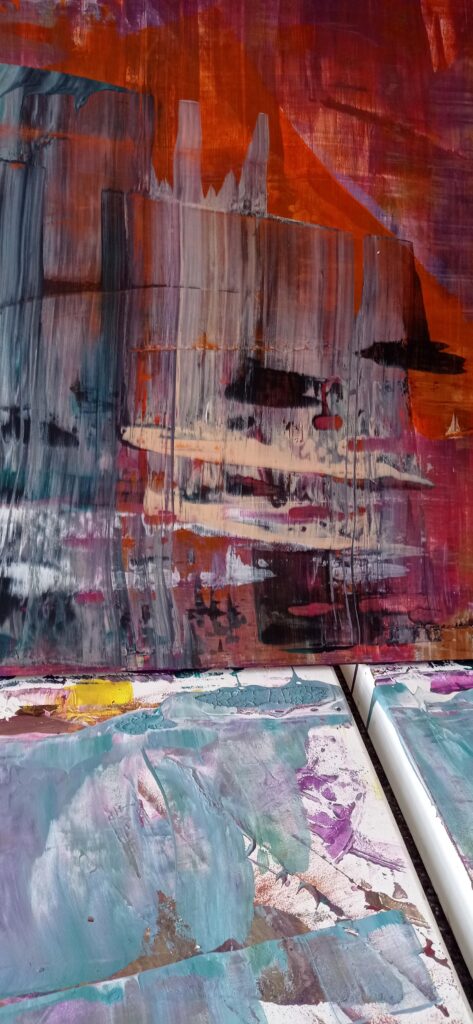
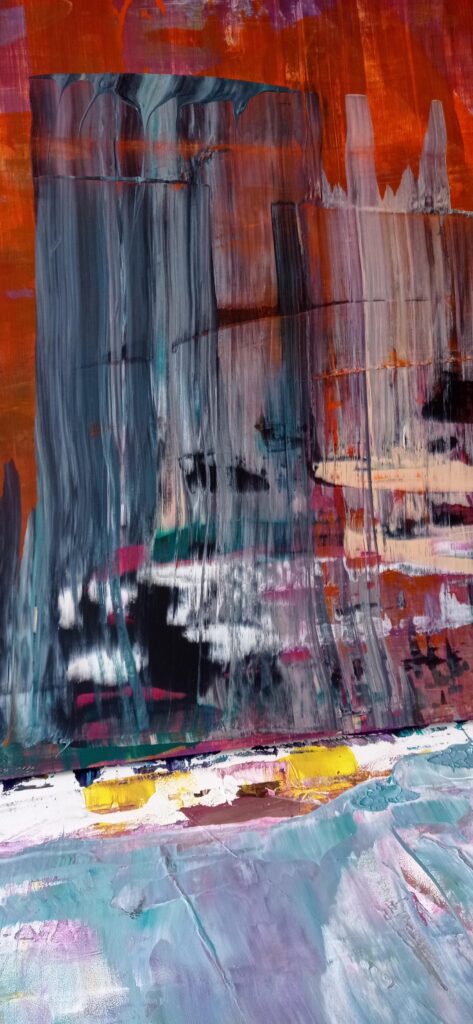
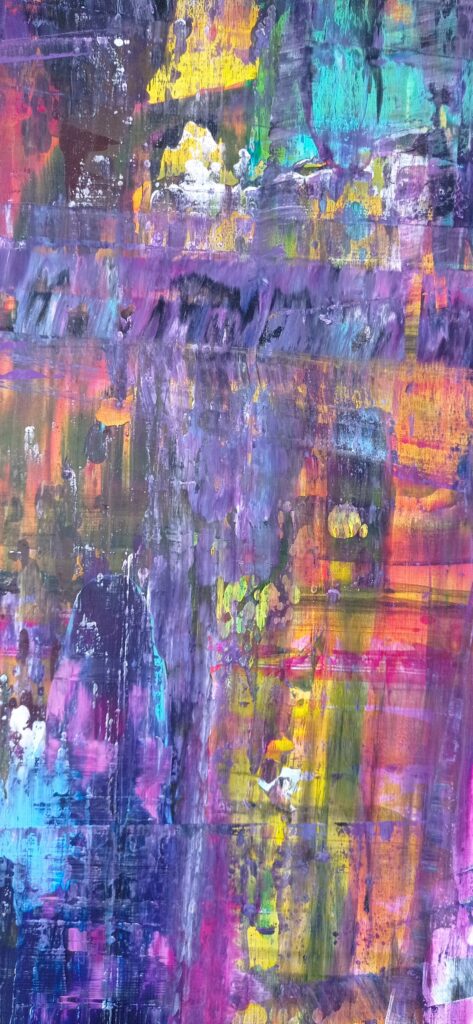
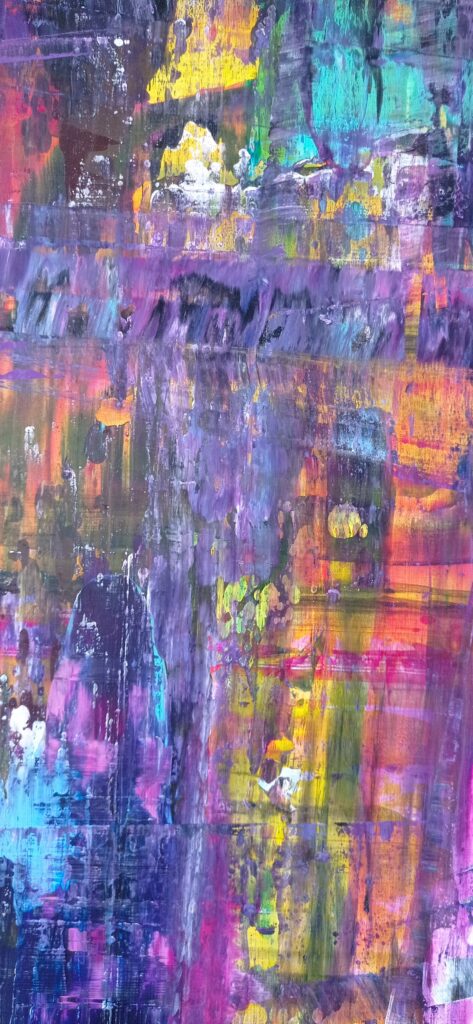
with its sharp contrast between a dark, high-friction mass on the right and a pale, fluid, highly textured turbulence on the left— visualizes a material system undergoing a rapid temperature quench, showing the formation of structural defects along a phase boundaries. [1, 2]
System Architecture Diagram Mapping
The vertical scrapes and color boundaries map onto the emergence of order out of chaotic thermal fluctuations:
HIGH-TEMPERATURE LIQUID CRITICAL INTERFACE QUENCHED TOPOLOGICAL DEFECTS
+--------------------------+ +------------------------+ +-------------------------------+
| Zone 1: Left Light Band | | Zone 2: Shifting Mid | | Zone 3: Right Dark Domain |
| |===>| Symmetry Threshold |===>| |
| High thermal energy; | | (The Kibble-Zurek | | Frozen lattice structure; |
| unstructured state. | | boundary zone) | | trapped vortex lines. |
| | | | | |
+--------------------------+ +------------------------+ +-------------------------------+
|| ||
+===============================================================+
Nonequilibrium Phase Coexistence
Breakdown of the Technical Gist
The Disordered Left Zone (High-Temperature Fluid Phase): The left third of painting is dominated by high-contrast whites, faint magentas, and yellows. In thermodynamic simulations, this bright, unstructured density maps to the symmetric, high-energy phase of a material before it cools down, where atoms move too fast to lock into a rigid pattern.
The Vertically Scraped Mid-Section (The Kibble-Zurek Domain Wall): The fine, repeating vertical comb marks running through the center simulate a phase transition boundary. According to the Kibble-Zurek mechanism, when a system cools too quickly, different regions choose their structural alignment independently. This texturing visualizes the exact boundary lines where those mismatched regions collide.
The Dark Right Domain (Quenched Solid Lattice & Defects): The right half of your canvas drops into a dense, heavily layered black and deep teal grid. This represents the ordered low-temperature phase. The horizontal scrapes cutting through the dark paint mimic trapped topological defects—structural imperfections frozen into place because the material cooled too fast to heal its own lattice. [1, 2, 3, 4]
Python Mathematical Generation Script
This script uses NumPy and Matplotlib to simulate a 2D order-parameter field during a rapid thermal quench, generating the visual balance of painting.
python
import numpy as np
import matplotlib.pyplot as plt
# 1. Define Spatial Grid
N = 200
x = np.linspace(-2, 2, N)
y = np.linspace(-2, 2, N)
X, Y = np.meshgrid(x, y)
# 2. Zone 1: High-Temperature Disordered Fluid (Left Side Flare)
# Modeled using high-frequency noise and thermal fluctuations
thermal_noise = np.random.normal(0, 0.4, (N, N))
left_fluid = np.exp(-(X + 1.5)**2) * 1.2
# 3. Zone 2: Kibble-Zurek Interface (Vertical Striations)
# Fine vertical comb lines mimicking the scraped texture in the center
striations = np.sin(35 * X) * np.exp(-X**2 / 0.5) * 0.3
# 4. Zone 3: Quenched Dark Domain with Defect Lines (Right Side)
# Represents the dense, lower-energy structural matrix
right_domain = (1 / (1 + np.exp(-3 * X))) * 1.5
# Introduce discrete line cracks/defects into the right matrix
defects = np.sin(3 * Y) * np.cos(15 * X) * (X > 0.2) * 0.4
quenched_solid = right_domain - defects
# 5. Composite the Total Phase Field Matrix
phase_field = left_fluid + striations + quenched_solid + (thermal_noise * 0.15)
# 6. Plotting with a Customized Color Palette Matching Your Artwork
plt.figure(figsize=(9, 8))
plt.imshow(
phase_field,
extent=[-2, 2, -2, 2],
origin='lower',
cmap='cubehelix', # Recreates the bone-whites, deep teals, and dark charcoal tones
interpolation='bicubic'
)
plt.title("Nonequilibrium Phase Transition Matrix Simulation", fontsize=12, pad=15)
plt.xlabel("Spatial Axis X (Domain Growth)")
plt.ylabel("Spatial Axis Y (Defect Propagation)")
plt.colorbar(label="Order Parameter Intensity $\\phi(x,y)$")
plt.grid(False)
plt.tight_layout()
plt.show()
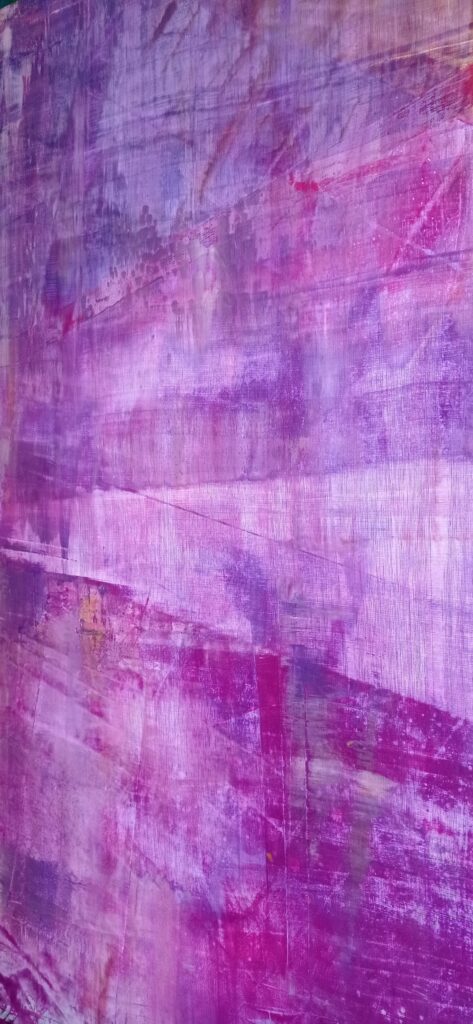
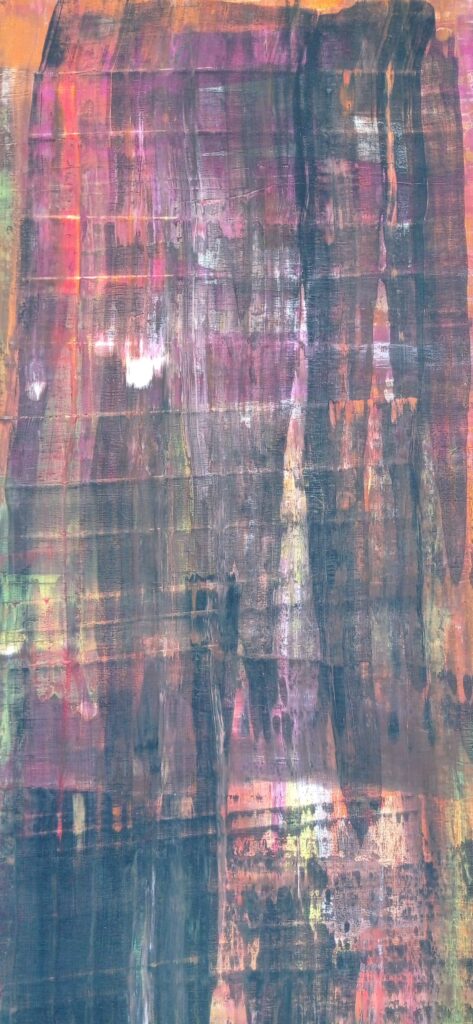
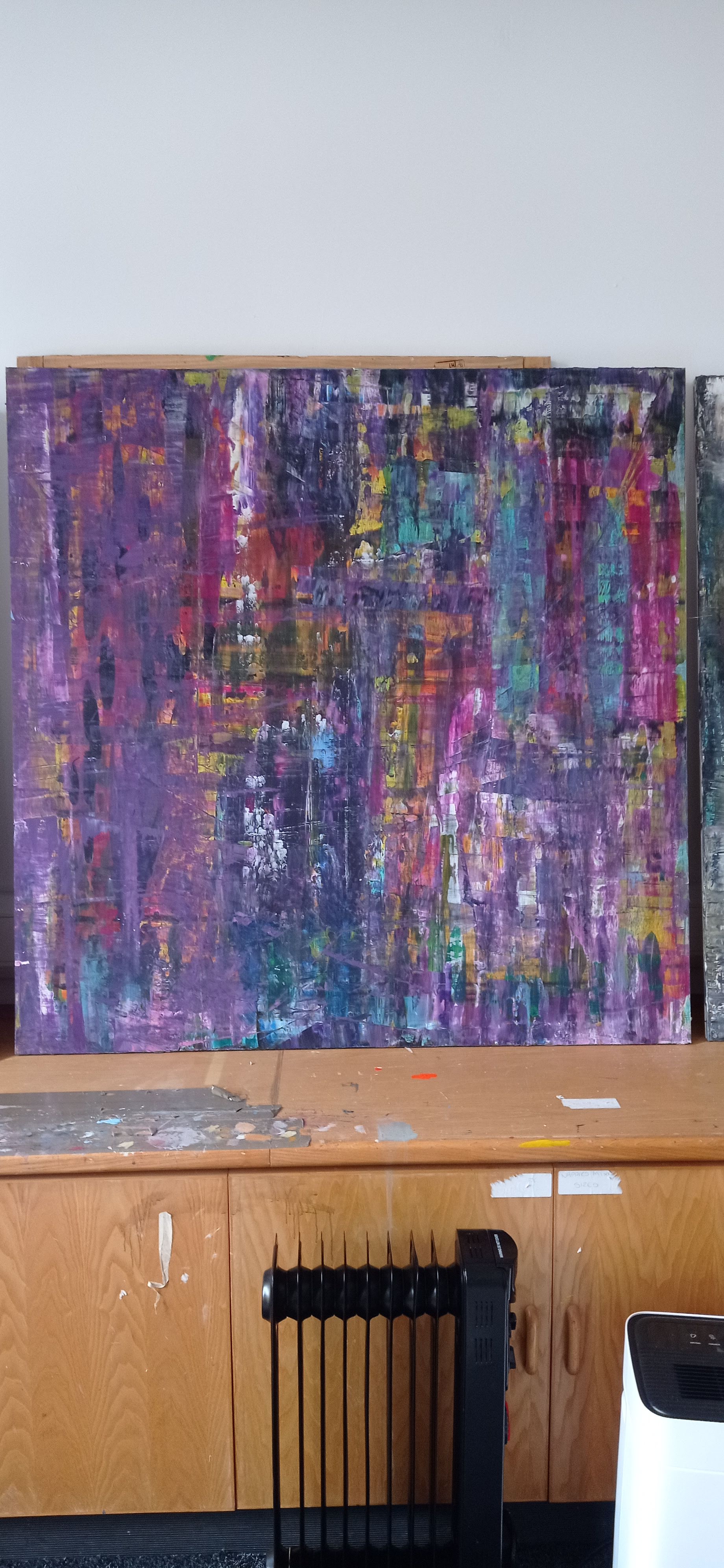
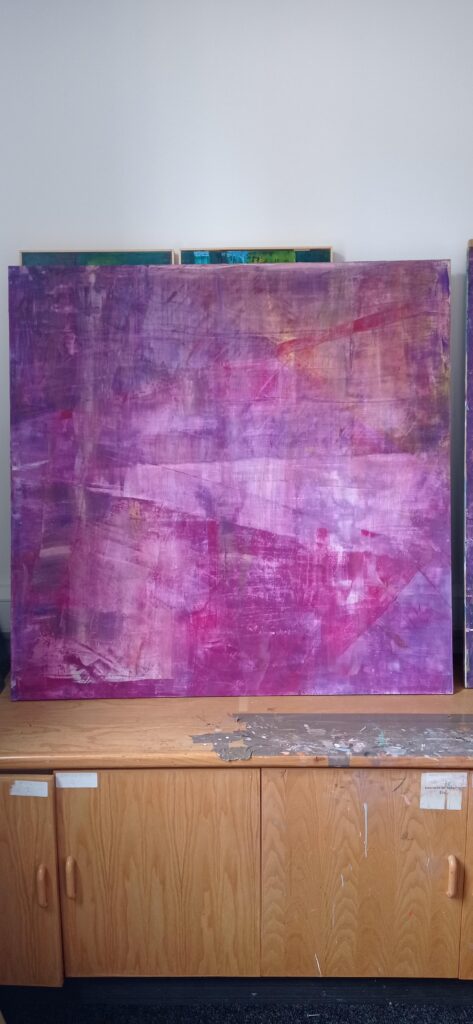
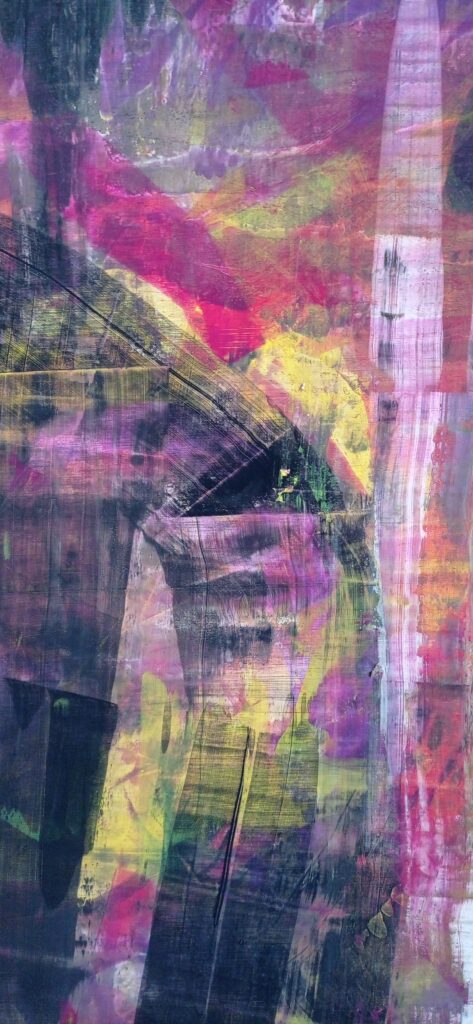
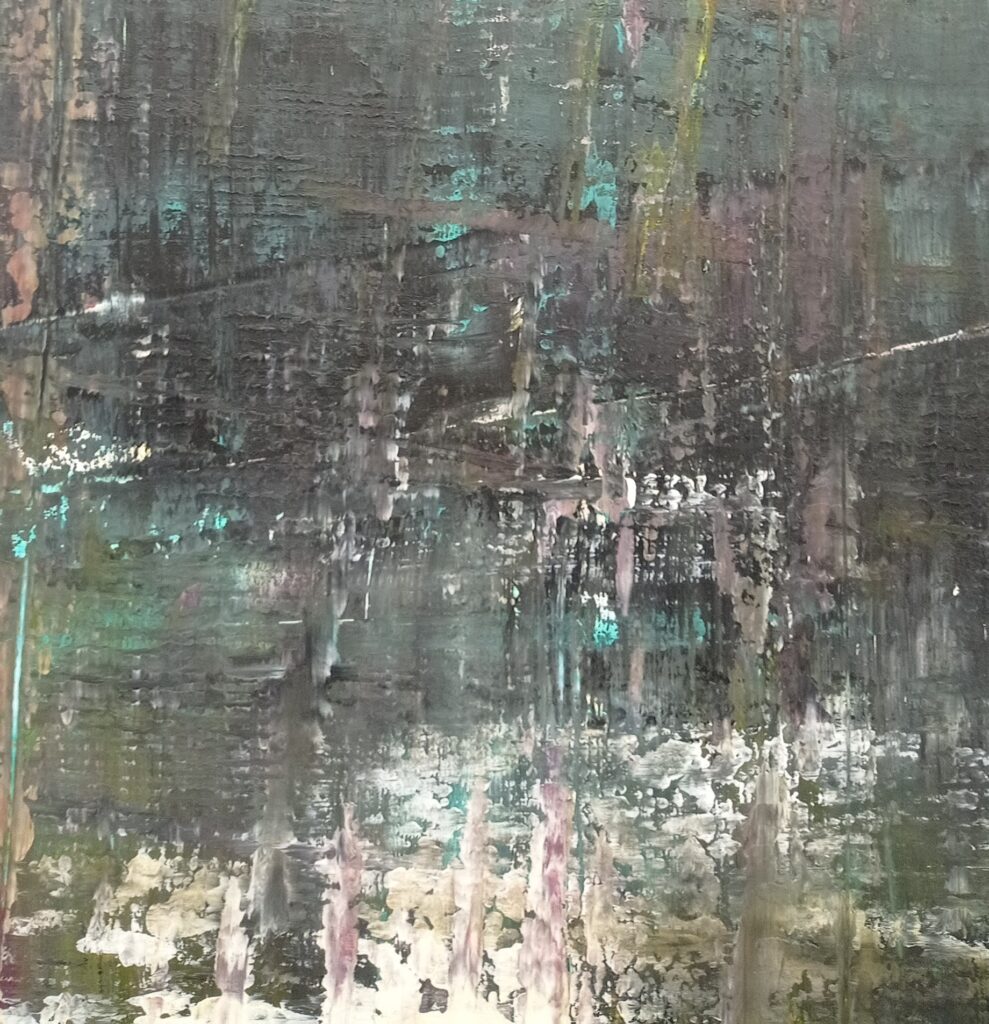
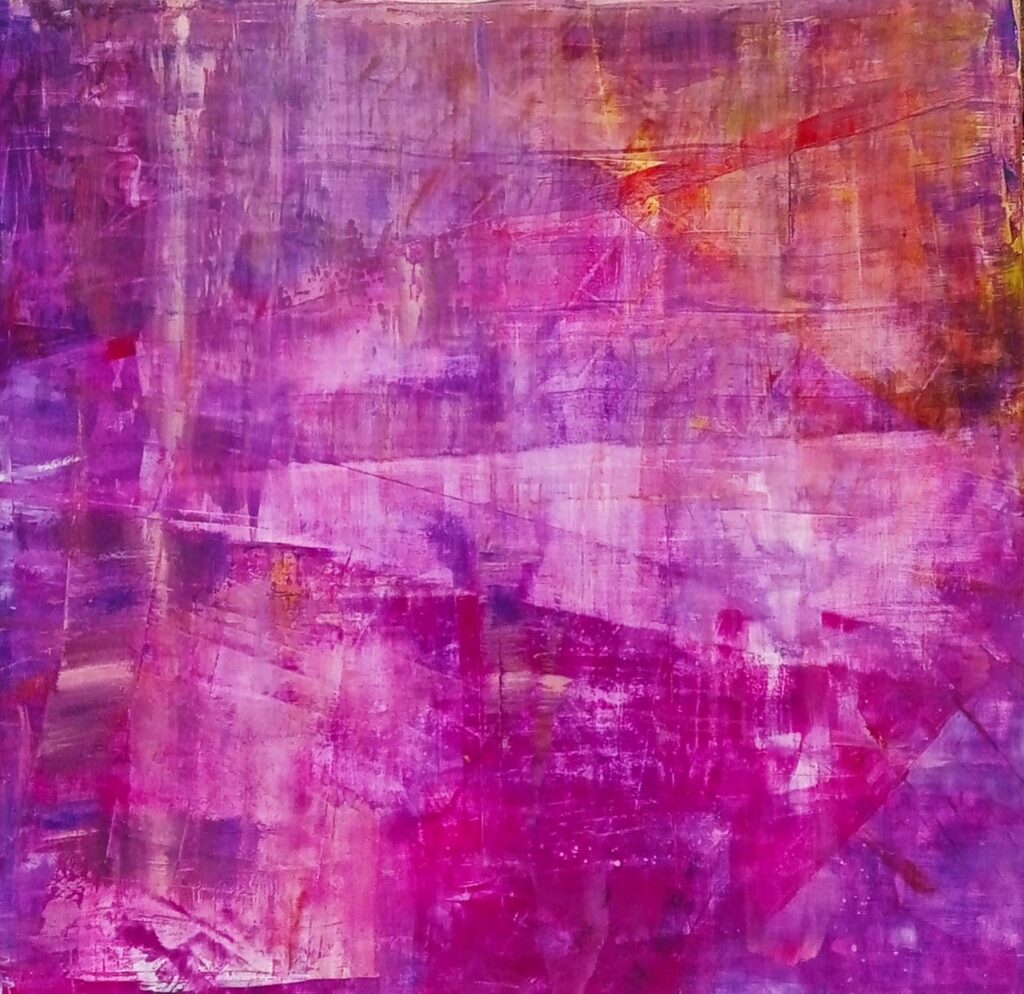
“Simulated Topological Edge States & Phase Boundary” Acrylic on plywood 1.2×1.2 x0.05m Horus9X! copyright 2026 northern hemisphere
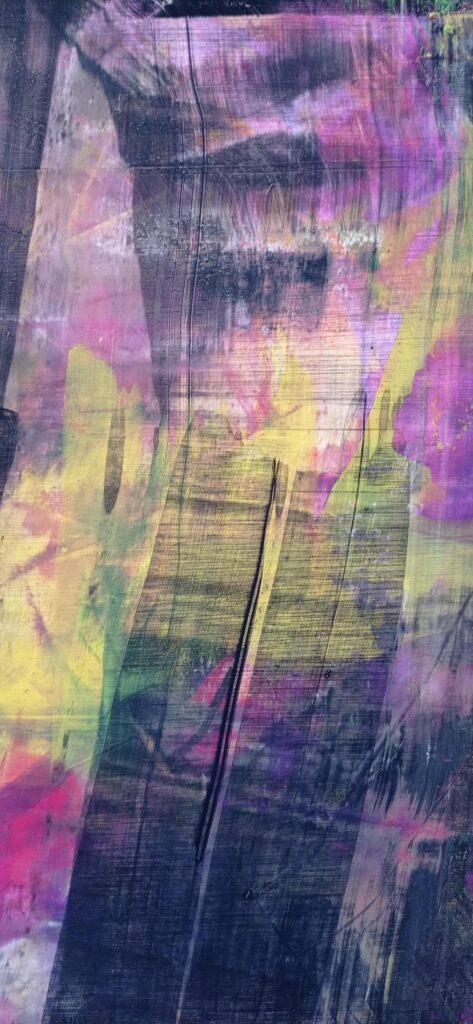
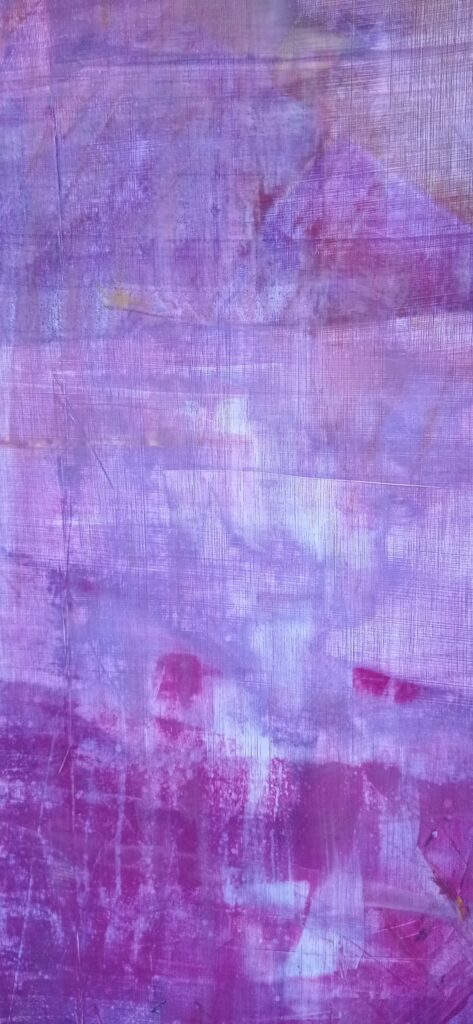
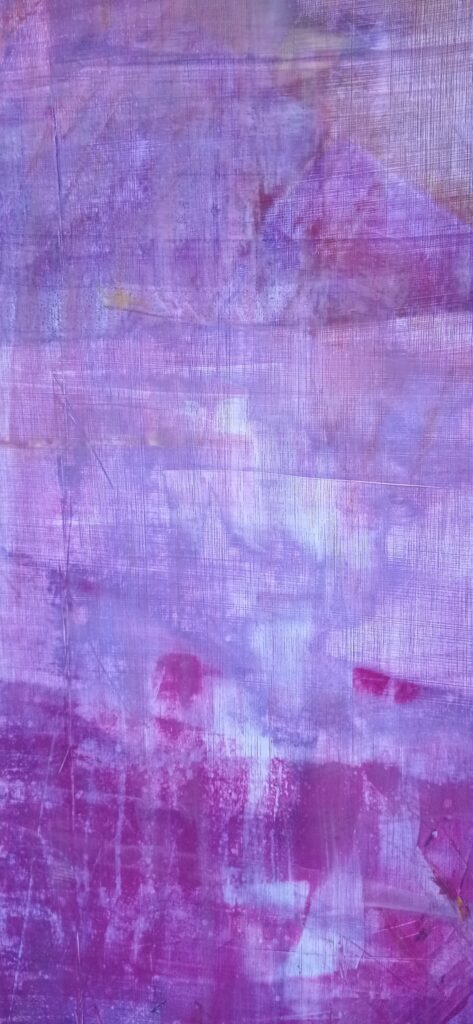
With its intense gradients of magenta, violet, and intersecting horizontal and vertical bands, a mathematical heatmaps used to track quantum state transitions and particle interactions in a high-energy lattice simulator
System Architecture Diagram Mapping
Here is how the distinct visual fields and overlapping textures of artwork map directly to a high-energy quantum simulation lattice:
The Upper Deep Purple Grid (The Quantum Vacuum Matrix): The top half of painting features a dark, heavily textured grid where horizontal and vertical lines collide. This maps to the gauge field lattice. The grid squares represent discrete points in spacetime where virtual quarks and gluons interact, establishing the “bulk” of the quantum system.
The Lighter Mid-Band (The Chiral Interface Phase Boundary): The bright, horizontally sheared band slicing through the center of the canvas illustrates a topological phase boundary. This is the critical threshold where the quantum system switches states. The shifting opacity simulates the loss of local symmetry as particles transition from one phase to another.
The Intense Magenta Clusters (Protected Topological Edge States): The lower third of the painting erupts into highly saturated, intense magenta and pink tones. In quantum simulations, these concentrated visual bursts depict localized energy concentrations. Because they are “topologically protected,” they remain bright and stable against noise, resisting the decay seen in the upper layers.
The Layered Textures and Scrapes (Quantum Fluctuations): The visible strokes and underlying scrapes across the entire canvas map perfectly to sub-atomic fluctuations. Instead of a static image, the varied thickness of the paint layers visualizes probability densities over simulated timeline steps.
For future use
The code models a 2D topological lattice (like a Su-Schrieffer-Heeger or Chern insulator variant) where localized edge states form at the boundary, generating the intense energy concentrations seen at the bottom of canvas.
import numpy as np
import matplotlib.pyplot as plt
# 1. Define Lattice Grid Size
Nx, Ny = 100, 100
X, Y = np.meshgrid(np.linspace(-3, 3, Nx), np.linspace(-3, 3, Ny))
# 2. Simulate the Background Quantum Vacuum Matrix (Upper Grid)
# Creates the underlying quantum fluctuations and grid-like noise
vacuum_fluctuations = np.sin(5 * X) * np.cos(5 * Y) * 0.15
quantum_noise = np.random.normal(0, 0.05, (Ny, Nx))
zone_1_bulk = vacuum_fluctuations + quantum_noise
# 3. Simulate the Phase Boundary (Lighter Mid-Band Shift)
# A transition zone modeling the broken chiral symmetry across the center
phase_boundary = np.exp(-((Y - 0.2) ** 2) / 0.1) * 0.4
# 4. Simulate Topologically Protected Edge States (Lower Intense Clusters)
# Localized, high-intensity energy states that resist decay at the boundary
# Shifted downward (Y = -1.5) to match the heavy magenta base of your canvas
edge_state_1 = np.exp(-((X - 1.0)**2 + (Y + 1.5)**2) / 0.8) * 1.5
edge_state_2 = np.exp(-((X + 1.2)**2 + (Y + 1.8)**2) / 0.5) * 1.2
zone_3_edge = edge_state_1 + edge_state_2
# 5. Composite the Total Wavefunction Probability Density
# Combining the fields to mimic the structural layers of the artwork
total_field = zone_1_bulk + phase_boundary + zone_3_edge
# 6. Plotting with a Customized Color Palette Matching Your Painting
plt.figure(figsize=(8, 8))
plt.imshow(
total_field,
extent=[-3, 3, -3, 3],
origin='lower',
cmap='plasma', # 'plasma' perfectly captures the deep violets to hot magentas
interpolation='bilinear'
)
# Visualizing the structure
plt.title("Simulated Topological Edge States & Phase Boundary", fontsize=12, pad=15)
plt.xlabel("Lattice X-Axis (Spatial Dimension)")
plt.ylabel("Lattice Y-Axis (Boundary Depth)")
plt.colorbar(label="Probability Density $|\\psi|^2$")
plt.grid(color='white', linestyle='--', linewidth=0.3, alpha=0.5)
plt.tight_layout()
plt.show()
Technical Mapping of the Code Objects:
zone_1_bulk: Controls the background grid frequencies. Increasing the multiplier in np.sin(5 * X) will make the upper “scrapes” tighter and more dense.
phase_boundary: Controls the center horizontal tear. Changing the Y - 0.2 value moves the light streak higher or lower across the canvas.
zone_3_edge: Dictates the placement of the hot pink/white glare points. Adding more exponential equations here lets you place additional bright nodes anywhere on the lattice.
Today, the “10-Day Ghost” transitioned from a psychological pressure into a physical barrier. Following the collapse of the Islamabad ceasefire talks, the U.S. Navy has officially begun interdicting maritime traffic in the Strait of Hormuz.
In the studio, we are auditing the chart through the lens of the “Preacher and the Son.”
The Preacher (The Administration): Secretary Bessent is delivering a sermon of control—the 3-3-3 Strategy. By attempting to “Short Oil” with strategic reserve releases, they are fighting the biological reality of energy.
The Son (The Market): At $71,047, Bitcoin is the “Son of a Preacher Man.” It hears the sermon but is finding its own frequency. While global indices react with “Stiff” fear to the blockade, the $71,000 Shelf is holding as a point of sovereign resilience.
The Departed Dove: As sketched in the study, the Islamabad peace bird has flown. We have exited the period of negotiation and entered the Anatomy of Departure.
The Beekeeper’s Verdict
We are observing a “Short against Biology.” This paradox—trying to talk energy down while clamping the world’s main artery—is creating the exact tension required for a swarm to leave the hive.
I am currently tending the hive for my patrons as the snap occurs.
Access & Patronage
To access the deep logic and building materials of the PA15 Studio, select your level of engagement below:
[Access the Studio Study Archive (£350)]Gain access to the high-resolution “Preacher Paradox” audit, the full Artist’s Statement, and the strategic breakdown of the $71k shelf.
[Become a Sentinel Patron (£2,000)]Direct, ongoing oversight. Receive individualized visual audits, live studio commentary, and raw “Ghist” sketches as the blockade evolves.